In the fast-paced world of packaging and manufacturing, first impressions dictate consumer behavior and influence purchasing decisions. The container holding a product serves as the physical interface between a brand and its audience, making the exterior presentation incredibly critical. This is where the bottle labeling machine steps into the spotlight as an indispensable asset on the production floor. By automating what was once a tedious, manual process, these systems ensure that every single item leaving the facility is perfectly branded, compliant with regulatory guidelines, and visually appealing to the consumer.
The Vital Role of the Bottle Labeling Machine in Modern Production
A bottle labeling machine is much more than a simple dispenser of adhesive paper; it is the cornerstone of consistency and professional packaging design. When a startup transitions from hand-applying stickers to integrating their first semi-automatic device, they experience an immediate shift in throughput and visual standards. Manual application is notoriously plagued by human error, leading to crooked placements, trapped air bubbles, and mismatched heights. Modern packaging lines cannot tolerate these imperfections, as retail partners and consumers associate sloppy presentation with poor product quality. By utilizing high-precision mechanical guides and sensors, labeling equipment locks in absolute uniformity, processing thousands of units per hour with negligible variance.
Beyond aesthetic considerations, automation directly impacts a company’s bottom line by maximizing operational efficiency and reducing labor costs. Rather than employing multiple workers to manually peel and stick labels, a business can redirect that human capital to more complex tasks like quality control or logistics. This transition dramatically lowers the cost per unit while scaling production capacity to meet growing market demands. In a landscape where speed-to-market can determine success, the introduction of a dedicated applicator allows manufacturers to keep pace with high-speed filling and capping lines, eliminating the labeling stage as a traditional bottleneck.
Understanding the Internal Anatomy of Labeling Systems
To appreciate how these machines achieve such high rates of speed and accuracy, one must examine the core components working in unison beneath the chassis. The journey begins with the conveyor system, which transports the bottles smoothly from upstream processes like filling or capping. To prevent collisions and ensure that the applicator has enough room to work, a spacing mechanism or gating wheel regulates the flow of containers, releasing them one by one at precise intervals. As a bottle approaches the labeling zone, registration sensors detect its physical presence and trigger the dispensing head to release the label roll with millisecond accuracy.
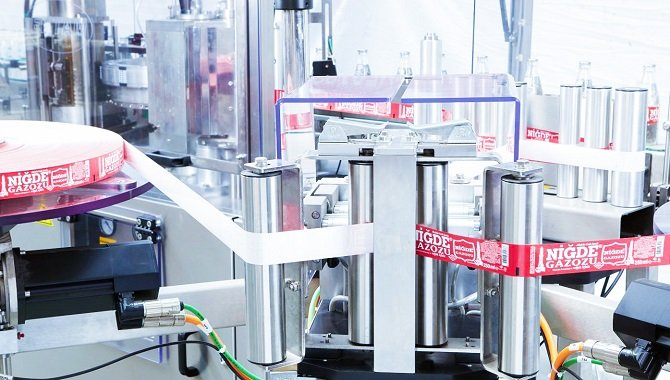
The dispenser head itself relies on a series of tension rollers and a backing paper rewinder to pull the label web across a sharp peeling plate. Because the backing paper is forced to make a sharp turn, the stiffer label releases from its liner and extends directly into the path of the oncoming bottle. Once the adhesive backing makes contact with the moving container, a secondary application system, such as a wrap-around belt, a sponge roller, or a pneumatic tamp pad, secures the label in place. Finally, a central control panel, typically featuring a user-friendly touchscreen human-machine interface, allows operators to calibrate speeds, adjust sensor sensitivity, and store customized presets for various container profiles.
Exploring the Primary Variations of Labeling Technology
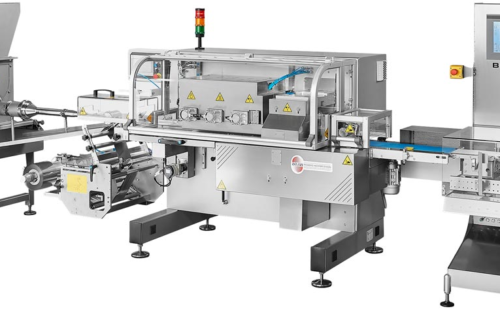
Industrial labelers are generally categorized by how they handle the container and apply the label, with each style optimized for specific production volumes and shapes. Inline labeling machines represent the most common configuration for medium-sized enterprises due to their straightforward, linear design. In an inline system, bottles travel down a straight conveyor belt where static dispensing heads apply labels to one or both sides as the containers pass by. This setup is highly versatile and relatively simple to maintain, making it an excellent option for operations that frequently change container sizes throughout the week.
For high-speed, massive-scale facilities, rotary labeling systems offer unparalleled precision and speed. Unlike their inline counterparts, rotary machines feature a central rotating carousel with multiple individual platforms that grip each bottle firmly from both the top and bottom. As the carousel spins, the bottles are rotated on their own axes, allowing label heads to apply front, back, and neck stickers in a single seamless motion. Although rotary setups require a larger initial capital investment and more complex changeover parts, they are the gold standard for beverage giants and breweries where line speeds routinely exceed hundreds of bottles per minute.
The Mechanics of Different Adhesive Application Methods
The choice of adhesive technology determines how a machine is built and how much it costs to operate over time. Pressure-sensitive labeling, also known as self-adhesive labeling, is the most popular choice across the cosmetic, pharmaceutical, and craft beverage industries. These systems utilize pre-cut labels supplied on a continuous liner roll coated with a dry adhesive that bonds instantly upon physical contact. The primary advantage of pressure-sensitive technology is its sheer cleanliness and ease of use, as there is no need to mix glues, clean adhesive reservoirs, or wait for heating elements to reach operating temperatures.
Alternatively, wet glue and hot melt machines are heavily favored in high-volume beer, wine, and food packaging lines due to the significantly lower cost of raw materials. Wet glue systems apply a thin layer of liquid adhesive to a cold label just before it is pressed onto the glass or plastic container, which is ideal for returnable bottles because the glue can be easily washed off during recycling. Hot melt machines utilize a heated tank to liquefy thermoplastic adhesives, which are then sprayed or rolled onto the container to secure paper or plastic wrap-around labels. While wet glue and hot melt equipment require diligent daily cleaning to prevent residue buildup, the long-term savings on label rolls make them highly economical for large-scale operations.
Strategic Considerations When Selecting a Labeler
Investing in packaging machinery requires a careful evaluation of current production needs and future scaling goals to avoid purchasing mismatched equipment. The physical characteristics of the containers, including their material, shape, and rigidity, dictate the mechanical handlings required during the labeling process. For example, flexible plastic bottles may deform under the pressure of a labeling belt, requiring internal inflation or specialized side-gripping conveyors to maintain structural integrity. Similarly, square or custom-molded bottles demand specialized alignment guides to prevent the label from skewed angles, whereas round bottles are much simpler to rotate and wrap.
Operational throughput is another critical factor that determines whether a semi-automatic, automatic, or fully integrated rotary system is the appropriate path forward. A semi-automatic benchtop model is perfect for micro-businesses producing a few hundred units a day, but it will quickly become a bottleneck as order volumes climb. Fully automatic inline machines offer a sweet spot for growing brands, allowing them to integrate the labeler directly into an automated conveyor line. By projecting volume demands over a three-to-five-year horizon, business owners can select a modular system that can be upgraded with additional labeling heads, coding printers, or vision inspection cameras as their market footprint expands.
Essential Maintenance Protocols for Prolonged Machine Life
To protect this valuable investment and prevent costly unscheduled downtime, facilities must establish a rigorous preventative maintenance routine. The presence of dust, paper fibers, and adhesive overspray can quickly accumulate on sensitive optical sensors, causing misfeeds, double-labeling, or complete system shutoffs. Operators should be trained to wipe down sensors, rollers, and peeling plates at the end of every shift using manufacturer-approved solvents. Additionally, checking the tension of drive belts and lubricating mechanical bearings prevents premature wear and ensures that the machine operates smoothly without jerking or vibrating.
Calibration is equally vital to maintaining the high level of accuracy that automated systems are designed to deliver. Over time, the physical vibrations of a busy production floor can cause minor shifts in the physical alignment of dispensing heads and sensor brackets. Implementing a weekly check-up to verify the timing between the bottle detection sensor and the label dispenser prevents cumulative drift that leads to misplaced graphics. Keeping a detailed log of these adjustments, alongside a stocked inventory of critical wear-and-tear spare parts like belts, springs, and squeegees, guarantees that the production line can be restored to full capacity in minutes rather than waiting days for a technician or shipment.
Conclusion
The transition to an automated bottle labeling machine represents a defining moment for any manufacturing operation seeking to elevate its brand presence and optimize production efficiency. By removing the inconsistencies of manual labor and replacing them with high-speed, sensor-driven precision, these machines deliver the pristine visual appeal that modern retail environments demand. Whether a business implements a compact inline unit or a high-capacity rotary system, selecting the right adhesive technology and maintaining strict upkeep habits will keep the packaging line running smoothly for years to come. Ultimately, investing in quality labeling technology is not just an equipment upgrade, but a foundational step toward scaling a business and securing a professional, trusted place in the consumer market.