Introduction
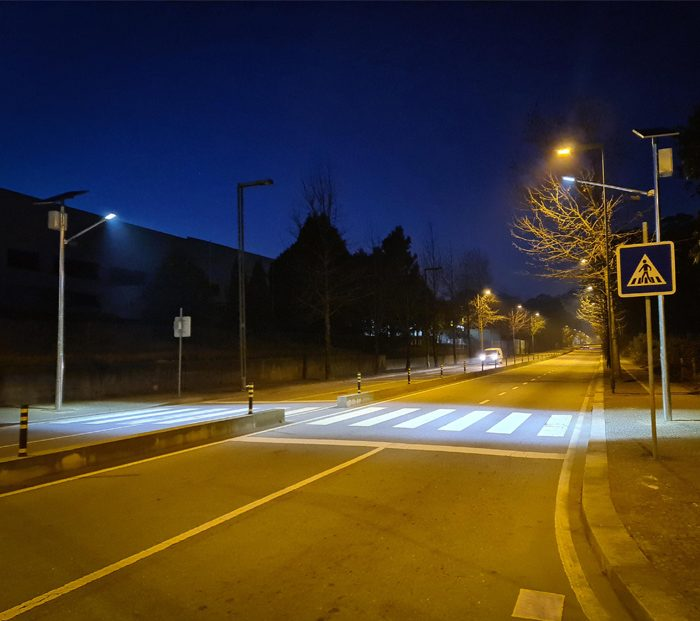
A smart pedestrian crossing system is an innovative traffic management solution designed to improve road safety for pedestrians and drivers alike. As cities continue to grow and traffic volumes increase, traditional pedestrian crossings often struggle to provide the level of safety required in busy urban environments. Smart technology addresses these challenges by using sensors, cameras, artificial intelligence, and connected traffic signals to create safer and more efficient crossings.
Modern cities are increasingly adopting intelligent transportation systems to reduce accidents, improve traffic flow, and enhance the overall pedestrian experience. A smart pedestrian crossing system plays a key role in this transformation by automatically detecting pedestrians, controlling traffic lights, and providing real-time alerts to drivers. These systems are especially valuable near schools, hospitals, shopping centers, and public transportation hubs where pedestrian traffic is high.
What Is a Smart Pedestrian Crossing System?
A smart pedestrian crossing system is an advanced crossing solution that combines intelligent hardware and software to improve pedestrian safety. Unlike conventional zebra crossings or manually operated signals, smart systems monitor pedestrian movement and adjust traffic signals automatically.
The system can detect when someone is waiting to cross the street and activate warning lights or change traffic signals at the appropriate time. Some advanced systems also communicate with connected vehicles and traffic management centers to further enhance road safety.
The primary objective is to reduce accidents while maintaining efficient traffic movement for both pedestrians and vehicles.
How a Smart Pedestrian Crossing System Works
A smart pedestrian crossing system uses several technologies working together to ensure safe road crossings.
The process typically includes:
- Detecting pedestrians through motion sensors or cameras
- Analyzing pedestrian movement using artificial intelligence
- Activating warning lights and digital signs
- Adjusting traffic signals automatically
- Providing visual and audible crossing assistance
- Monitoring traffic speed near the crossing
- Collecting traffic data for city planning
- Sending alerts to connected traffic management systems
This intelligent process minimizes delays while maximizing pedestrian safety.
Key Components of a Smart Pedestrian Crossing System
Several essential components work together to make the system reliable and effective.
Sensors
Infrared, radar, ultrasonic, and motion sensors detect pedestrians approaching the crossing area.
High-Resolution Cameras
Cameras monitor pedestrian activity and vehicle movement in real time. AI software analyzes the footage to identify potential safety risks.
Intelligent Traffic Signals
Traffic lights automatically adjust based on pedestrian demand and current traffic conditions.
LED Warning Lights
Bright LED lights embedded in the road or crossing signs improve visibility, especially during nighttime or poor weather conditions.
Audible Signals
Voice announcements and beeping sounds assist visually impaired pedestrians during crossing.
Control Unit
The central controller processes sensor data and manages all connected devices.
Communication Network
Wireless communication connects the crossing system with nearby traffic signals and city traffic management centers.
Benefits of a Smart Pedestrian Crossing System
Installing a smart pedestrian crossing system offers numerous advantages for cities, pedestrians, and drivers.
Improved Road Safety
Real-time pedestrian detection significantly reduces the risk of accidents by warning drivers before pedestrians enter the roadway.
Better Traffic Flow
Traffic signals operate based on actual demand instead of fixed timing schedules, reducing unnecessary waiting times.
Enhanced Night Visibility
LED lighting and illuminated crossing signs make pedestrians more visible during darkness.
Accessibility for Everyone
Audible crossing signals and adaptive timing make crossings safer for elderly individuals and people with disabilities.
Reduced Traffic Congestion
Smart traffic management minimizes unnecessary vehicle stops while maintaining pedestrian safety.
Lower Accident Rates
Automatic detection and warning systems help prevent collisions caused by distracted drivers.
Data Collection
Traffic data collected by the system helps city planners improve road infrastructure and transportation policies.
Energy Efficiency
Modern LED lighting and smart controls consume less electricity than traditional systems.
Technologies Used in Smart Pedestrian Crossing Systems
Modern smart pedestrian crossing systems rely on advanced technologies to improve performance.
Some of the most important technologies include:
- Artificial Intelligence (AI)
- Machine Learning
- Internet of Things (IoT)
- Computer Vision
- Radar Detection
- Infrared Sensors
- Smart LED Lighting
- Cloud-Based Traffic Management
- Wireless Communication
- Edge Computing
- GPS Integration
- Vehicle-to-Infrastructure Communication (V2I)
These technologies work together to create an intelligent transportation environment.
Applications of Smart Pedestrian Crossing Systems
These systems are widely used in locations with heavy pedestrian activity.
Common applications include:
- School zones
- University campuses
- Hospitals
- Shopping malls
- Airports
- Railway stations
- Public transportation terminals
- Business districts
- Tourist attractions
- Residential neighborhoods
- Smart cities
- Industrial parks
Each location benefits from increased safety and improved traffic efficiency.
Features of an Advanced Smart Pedestrian Crossing System
Modern systems offer many intelligent features.
Important features include:
- Automatic pedestrian detection
- Real-time traffic monitoring
- Adaptive traffic signal timing
- LED illuminated crosswalks
- Speed detection cameras
- Driver warning displays
- Emergency vehicle priority
- Remote monitoring
- Cloud connectivity
- Data analytics dashboard
- Weather-resistant equipment
- Mobile application integration
These features make crossings more responsive and reliable.
Challenges of Implementing Smart Pedestrian Crossing Systems
Although these systems provide significant benefits, implementation may involve several challenges.
Some common challenges include:
- High installation costs
- Maintenance requirements
- Integration with existing infrastructure
- Weather-related sensor limitations
- Data privacy concerns
- Cybersecurity risks
- Power supply reliability
- Public awareness and education
Proper planning and regular maintenance help overcome these challenges.
The Role of Artificial Intelligence
Artificial intelligence is transforming pedestrian crossing technology by making systems more responsive and accurate.
AI algorithms analyze live video feeds, recognize pedestrian behavior, estimate crossing intentions, and predict potential collision risks. Machine learning continuously improves detection accuracy over time by learning from previous traffic patterns.
Artificial intelligence also enables predictive traffic management, allowing cities to optimize traffic signal timing based on historical and real-time data.
Smart Cities and Intelligent Transportation
A smart pedestrian crossing system is an important component of smart city infrastructure. It works alongside intelligent traffic lights, connected vehicles, surveillance systems, and public transportation networks.
Smart cities use integrated traffic management systems to improve mobility, reduce emissions, and enhance public safety. Pedestrian crossing systems contribute by protecting vulnerable road users while maintaining smooth vehicle movement.
As urban populations continue to grow, intelligent transportation technologies will become increasingly important for sustainable city development.
Future Trends in Smart Pedestrian Crossing Systems
Technology continues to improve rapidly, leading to more advanced pedestrian crossing solutions.
Future developments may include:
- AI-powered predictive pedestrian behavior analysis
- Autonomous vehicle integration
- 5G communication networks
- Solar-powered crossing systems
- Smart wearable integration
- Drone-assisted traffic monitoring
- Digital twin traffic simulation
- Enhanced cybersecurity protection
- Voice-controlled pedestrian assistance
- Fully connected smart city infrastructure
These innovations will further improve safety, efficiency, and convenience.
Best Practices for Successful Implementation
Cities should follow several best practices when deploying a smart pedestrian crossing system.
Recommended practices include:
- Conduct traffic safety assessments
- Install high-quality sensors
- Perform regular maintenance
- Update software frequently
- Train maintenance personnel
- Educate the public about system operation
- Monitor performance using traffic analytics
- Ensure accessibility compliance
- Protect against cyber threats
- Continuously improve based on collected data
Following these guidelines helps maximize long-term system performance.
Conclusion
A smart pedestrian crossing system represents the future of road safety and intelligent transportation. By combining artificial intelligence, sensors, cameras, smart traffic signals, and connected infrastructure, these systems provide a safer environment for pedestrians while improving overall traffic efficiency. They reduce accidents, enhance accessibility, support smart city initiatives, and deliver valuable traffic insights for future planning.
As technology continues to evolve, smart pedestrian crossing systems will become more intelligent, affordable, and widely adopted across cities around the world. Investing in these advanced solutions not only protects lives but also creates safer, smarter, and more sustainable urban communities for future generations.