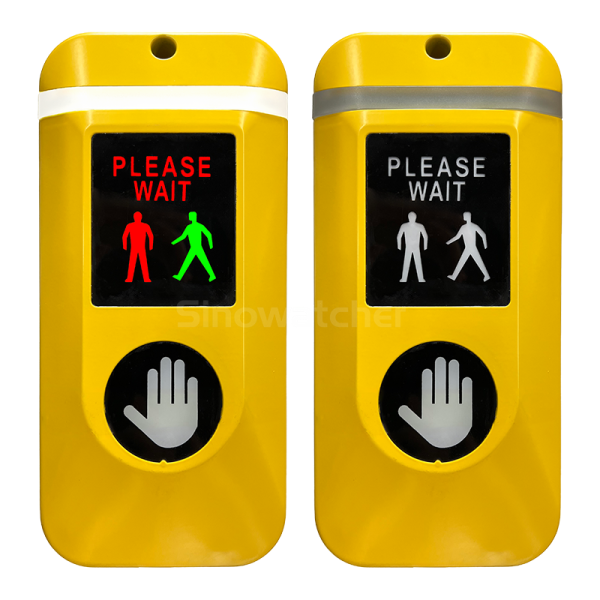
A smart pedestrian crossing system is an advanced traffic management solution designed to make road crossings safer, more visible, and more responsive to pedestrian activity. Traditional pedestrian crossings depend mainly on signs, road markings, traffic lights, and driver awareness. Smart systems add sensors, intelligent controls, connected technology, and automated warning features to improve how pedestrians and vehicles interact.
As cities become more crowded, pedestrian safety has become an important part of urban planning. Busy roads, distracted drivers, poor visibility, and high traffic volumes can make conventional crossings less effective in some locations. A smart pedestrian crossing system can respond to real-time conditions and provide additional warnings when people are waiting to cross or are already using the crossing.
These systems can be adapted for schools, residential areas, shopping districts, transportation hubs, and busy intersections. Their goal is not simply to add technology but to create safer and more efficient pedestrian movement.
What Is a Smart Pedestrian Crossing System?
A smart pedestrian crossing system combines conventional crossing infrastructure with modern technology. It can detect pedestrians, monitor traffic conditions, activate warning signals, and communicate information to drivers or traffic management systems.
Depending on the design, the system may use cameras, radar, infrared sensors, pressure sensors, buttons, LED lights, traffic signals, audible alerts, and intelligent control software.
The system can operate automatically when it detects pedestrian activity. This can be especially useful at locations where pedestrian traffic changes throughout the day.
By responding to actual road conditions, smart crossings can provide targeted warnings instead of relying only on fixed signs or continuously operating signals.
Why Smart Pedestrian Crossings Are Important
Pedestrians can face risks when crossing roads with high traffic volumes. Drivers may fail to notice people waiting at a crossing, especially during poor weather, nighttime conditions, or busy traffic periods.
Traditional road markings can become less visible over time. Standard signs may also receive limited attention from drivers.
A smart pedestrian crossing system can increase visibility through active warning lights and other technologies.
Smart crossings can also collect information about crossing activity. This data may help transportation planners understand pedestrian patterns and identify locations where additional safety measures are needed.
How Does a Smart Pedestrian Crossing System Work?
The exact operation depends on the technology installed.
A typical system begins by detecting a pedestrian near the crossing. Sensors identify movement or a pedestrian activates the system using a push button.
The control unit processes the information and determines whether a warning or crossing signal should be activated.
Flashing LED signs or road-level lights can then alert approaching drivers. At signalized intersections, the system may communicate with traffic lights to provide a dedicated pedestrian crossing phase.
After the crossing period ends, the system returns to its normal state.
Some advanced systems can adjust their operation according to traffic volume, pedestrian numbers, weather conditions, or time of day.
Key Components of Smart Pedestrian Crossings
Several technologies can work together to create an intelligent crossing.
Pedestrian sensors detect people waiting or moving through the crossing area.
Vehicle detection systems can monitor approaching traffic and provide information about vehicle movement.
LED warning lights increase the visibility of the crossing.
Traffic signals control vehicle and pedestrian movement at signalized locations.
Control units process sensor information and manage system responses.
Communication technology can connect the crossing with centralized traffic management systems.
Some installations may also include audible signals, illuminated road studs, digital signs, cameras, and remote monitoring equipment.
Pedestrian Detection Technology
Accurate detection is one of the most important features of a smart crossing.
Different systems can use different detection technologies. Radar can detect movement and may work effectively in various lighting conditions.
Cameras can provide visual information and may support more advanced detection functions. Infrared technology can also be used to detect people based on movement or heat patterns.
Some crossings use push buttons in combination with automatic sensors. This can provide pedestrians with direct control while still allowing the system to monitor activity.
The selected technology should match the location, weather conditions, traffic patterns, and privacy requirements.
Intelligent Warning Lights and Signals
Visibility is a major part of pedestrian safety. Smart crossing systems can use bright LED warning lights to attract driver attention.
Flashing signs can become active when a pedestrian is detected. Some systems can also illuminate the road surface or crossing edges.
Signalized crossings can provide clear information about when pedestrians should cross and when vehicles must stop.
Using visible and understandable signals can reduce confusion for both drivers and pedestrians.
The system should always follow local traffic regulations and established road safety standards.
Benefits of Smart Pedestrian Crossing Systems
A smart pedestrian crossing system can provide several potential benefits.
Improved Visibility
Active warning lights can make pedestrian crossings more noticeable than static signs alone.
Responsive Operation
The system can activate when pedestrian activity is detected, providing warnings when they are needed.
Better Traffic Management
Connected crossings can provide information that helps traffic authorities understand pedestrian movement.
Reduced Unnecessary Signaling
At suitable locations, demand-based operation can reduce unnecessary signal activation when nobody is crossing.
Enhanced Accessibility
Audible signals and other features can make crossings easier to use for people with different mobility or sensory needs.
Applications in Modern Cities
Smart crossings can be installed in many urban environments.
Busy intersections are common locations because large numbers of pedestrians and vehicles interact there.
Residential neighborhoods can also benefit from additional warnings where roads have frequent pedestrian activity.
Shopping areas, public transportation stations, parks, hospitals, and community centers may have high pedestrian demand.
Smart crossings can also support pedestrian safety around workplaces and industrial areas where employees regularly cross access roads.
Smart Crossings Near Schools
School zones are particularly important locations for pedestrian safety systems.
Children may have difficulty judging vehicle speed and distance. Traffic can also become more concentrated during school arrival and dismissal periods.
A smart pedestrian crossing system can activate additional warning lights when pedestrians approach the crossing.
School-zone systems may also combine flashing signs, speed displays, road markings, and crossing signals.
The system should be designed to complement appropriate traffic-calming measures and local safety regulations.
Improving Accessibility for Pedestrians
Modern crossing systems can include accessibility features that support a wider range of pedestrians.
Audible signals can provide information for people with limited vision. Tactile surfaces can help guide pedestrians toward the crossing.
Longer crossing times may be appropriate at some locations where pedestrians require additional time.
Clear visual signals can also help people understand when it is safe to cross.
Accessibility should be considered during the planning stage rather than added as an afterthought.
Energy-Efficient Crossing Solutions
Many smart crossing systems use LED lighting because LEDs can provide high visibility with relatively low energy consumption.
Demand-based activation can further improve efficiency by operating certain warning features only when pedestrian activity is detected.
Solar-powered systems may also be suitable for selected locations where connection to the electrical grid is difficult.
Energy-efficient designs can reduce operating costs while supporting sustainable urban infrastructure.
Connectivity and Traffic Management
Connected smart crossings can communicate with centralized traffic management platforms.
This connectivity can allow transportation authorities to monitor equipment status, identify faults, and review crossing activity.
Collected information can help planners understand when pedestrian demand is highest.
Future systems may connect pedestrian crossings with broader smart-city platforms, allowing traffic signals, public transportation, road sensors, and pedestrian infrastructure to work together.
Maintenance and System Reliability
Regular maintenance is essential for reliable operation.
LED lights, sensors, communication equipment, control units, buttons, and power systems should be inspected periodically.
Sensors must remain correctly positioned and free from obstructions. Damaged signs or lights should be repaired quickly.
Remote monitoring can help identify technical problems before they become serious.
A smart crossing is only effective when its safety features remain operational and visible.
How to Choose a Smart Pedestrian Crossing System
Cities and organizations should evaluate several factors before selecting a system.
First, analyze the road environment. Traffic volume, pedestrian numbers, road width, speed limits, lighting, and weather conditions should all be considered.
The detection technology should be appropriate for the location.
Other important considerations include:
- Visibility of warning signals
- Accessibility features
- Energy consumption
- Communication capabilities
- Maintenance requirements
- Weather resistance
- Installation requirements
- Data protection
- Local traffic regulations
- Total operating costs
A site assessment can help determine which technologies provide the greatest practical value.
Future of Smart Pedestrian Crossings
Smart pedestrian crossings are likely to become more integrated with connected transportation systems.
Artificial intelligence and advanced computer vision may improve pedestrian detection and traffic analysis. Connected vehicles could eventually receive crossing information directly through compatible communication systems.
Cities may also use real-time data to adjust crossing behavior according to traffic and pedestrian demand.
The long-term goal is to create road networks where pedestrians, vehicles, traffic signals, and infrastructure communicate more effectively.
Conclusion
A smart pedestrian crossing system can add intelligent technology to traditional pedestrian infrastructure and provide improved visibility, responsive warnings, accessibility, and traffic information.
By combining sensors, LED signals, control systems, communication technology, and appropriate road infrastructure, smart crossings can respond more effectively to real-world pedestrian activity.
Successful implementation requires careful site planning, reliable equipment, regular maintenance, and compliance with local traffic standards. As cities continue adopting smart transportation technologies, intelligent pedestrian crossings can become an important part of safer, more connected, and more accessible urban environments.