Graphite rotors and shafts are important components used in many industrial processes. They are especially valuable in environments where high temperatures, chemical exposure, and corrosion can damage traditional metal parts. Graphite has unique properties that make it suitable for demanding applications in metallurgy, chemical processing, semiconductor manufacturing, and other industries.
Unlike many metals, graphite can maintain its structure under extreme heat and has excellent resistance to thermal shock. It is also lightweight and can be machined into precise shapes. Because of these advantages, graphite rotors and shafts are widely used in equipment that requires reliable performance under difficult operating conditions.
This article explains what graphite rotors and shafts are, how they work, their main benefits, common applications, and important factors to consider when selecting them.
What Are Graphite Rotors and Shafts?
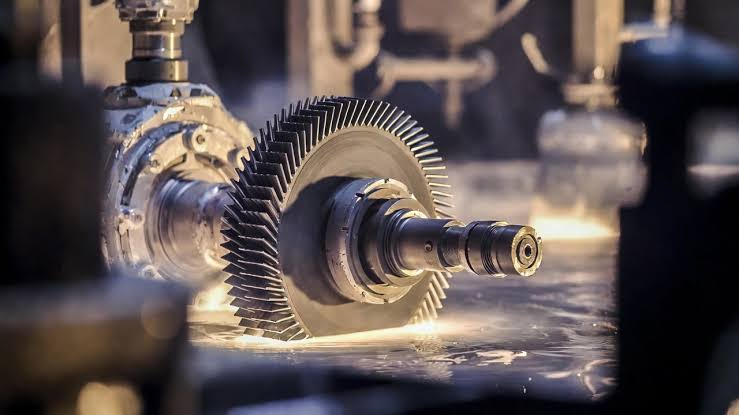
Graphite rotors and shafts are engineered components manufactured from high-quality graphite materials. A rotor is a rotating component designed to move, mix, circulate, or process materials. A shaft supports the rotor and transfers rotational force from a motor or other power source.
In many industrial systems, the graphite rotor and shaft work together as one assembly. The shaft connects the rotor to the drive system, while the rotor performs the main processing function.
These components are often used where metal alternatives may suffer from corrosion, contamination, oxidation, or heat-related damage. The grade and design of the graphite can vary depending on the application.
Graphite components can also be machined with high precision. Manufacturers can produce different diameters, lengths, holes, threads, grooves, and custom geometries. This flexibility allows graphite rotors and shafts to meet the requirements of specialized industrial equipment.
Why Is Graphite Used for Rotors and Shafts?
Graphite offers a combination of physical and chemical properties that make it useful for industrial engineering. One of its most important characteristics is its ability to perform at very high temperatures, particularly in controlled or non-oxidizing environments.
Graphite also has good thermal conductivity. This allows heat to move through the material efficiently. In applications involving molten metals or rapid temperature changes, this property can support more stable performance.
Another important advantage is corrosion resistance. Many chemicals and molten materials can damage steel or other metals. Properly selected graphite can provide better resistance in certain aggressive environments.
Graphite also has a relatively low density compared with many metals. This can reduce the weight of rotating components and may help decrease mechanical stress in some systems.
Main Benefits of Graphite Rotors and Shafts
The popularity of graphite rotors and shafts comes from several important benefits. These advantages can make graphite a practical choice for specialized industrial applications.
High-Temperature Performance
Graphite can withstand extremely high temperatures under suitable operating conditions. This makes it useful in furnaces, molten metal processing, and other thermal applications.
However, operating conditions remain important. Graphite can oxidize at elevated temperatures when exposed to oxygen. Protective coatings or controlled atmospheres may therefore be necessary.
Resistance to Thermal Shock
Rapid temperature changes can cause some materials to crack or deform. Graphite generally has good thermal shock resistance, making it useful in processes involving repeated heating and cooling.
Chemical and Corrosion Resistance
Graphite can resist many corrosive substances that may damage conventional metallic components. This property is especially useful in chemical processing and metallurgical applications.
Lightweight Construction
Graphite is lighter than many engineering metals. A lower component weight can simplify handling and reduce the load placed on rotating equipment.
Precision Machining
Modern machining processes allow graphite to be manufactured into complex shapes. Custom graphite rotors and shafts can therefore be designed for specific equipment and operating conditions.
Common Applications of Graphite Rotors
Graphite rotors are used in several industries, but one important application is molten metal treatment. For example, specialized rotor systems can be used to introduce gases into molten metal for refining and processing operations.
The rotating motion helps distribute gas and improve interaction between the gas and molten material. The exact rotor design may influence bubble formation, mixing efficiency, and processing performance.
Graphite rotors can also be found in equipment used for mixing, circulation, degassing, and material treatment. Their ability to operate in high-temperature environments makes them suitable for processes where ordinary mechanical components would have a limited service life.
Custom rotor designs may include different blade shapes and flow patterns. Engineers select the geometry according to the viscosity, temperature, movement requirements, and chemical characteristics of the material being processed.
The Role of Graphite Shafts
A graphite shaft is responsible for connecting the rotating system to the rotor. It must provide sufficient strength and stability while operating under the required environmental conditions.
The shaft design depends on several factors. These include the length of the shaft, rotational speed, mechanical load, temperature, and connection method. Improper shaft selection can lead to vibration, wear, cracking, or premature failure.
Graphite shafts may be manufactured as solid components or designed with specific internal or external features. Depending on the equipment, the shaft may include threaded ends, mounting sections, or custom interfaces.
When used together, graphite rotors and shafts must be carefully matched. The connection between the two components should provide stable operation and reduce unnecessary mechanical stress.
Graphite Grades and Material Selection
Not all graphite materials have the same properties. Different grades may vary in density, grain size, porosity, strength, electrical conductivity, and thermal behavior.
Fine-grain graphite can be useful when precision machining and detailed component geometry are required. Other grades may be selected for improved strength or specific thermal properties.
Impregnated graphite may also be used in some applications. Impregnation can help reduce porosity and improve resistance to certain liquids or gases.
Material selection should always consider the complete operating environment. Temperature alone is not enough. Engineers should also evaluate chemical exposure, mechanical loads, rotational speed, atmosphere, and expected service life.
Choosing the wrong graphite grade may reduce performance, even when the overall component design appears correct.
Design Considerations for Graphite Rotors and Shafts
A successful graphite component requires careful engineering. Graphite has many useful properties, but it is also a brittle material compared with many metals.
Designers should avoid unnecessary stress concentrations. Sharp internal corners and poorly designed connections can increase the risk of cracking. Smooth transitions and proper geometry can help distribute mechanical loads more effectively.
Rotational balance is another important factor. An unbalanced rotor can create vibration and place additional stress on both the rotor and shaft.
The connection between the graphite rotor and shaft must also be designed carefully. Thermal expansion, torque requirements, and assembly procedures should all be considered.
Custom engineering can therefore be valuable when graphite rotors and shafts are used in demanding industrial systems.
Maintenance and Handling Requirements
Proper handling can help extend the service life of graphite components. Although graphite performs well in extreme conditions, it can be damaged by impact or improper installation.
Workers should avoid dropping graphite parts or applying excessive force during assembly. Components should also be inspected for visible cracks, chips, or wear before installation.
During operation, monitoring vibration and rotational stability can help identify potential problems early. A sudden increase in vibration may indicate wear, imbalance, or damage.
Cleaning procedures should also match the specific application. Harsh mechanical cleaning methods may damage the surface of the graphite.
Regular inspection and proper operating practices can help businesses achieve better performance from their graphite rotors and shafts.
How to Choose the Right Graphite Rotors and Shafts
Selecting the right graphite components begins with understanding the application. Buyers should provide detailed information about the operating environment and equipment requirements.
Important factors include:
- Operating temperature
- Chemical or molten material exposure
- Required rotor speed
- Mechanical loads
- Shaft dimensions
- Rotor geometry
- Expected service life
- Atmosphere and oxidation conditions
- Connection and mounting requirements
- Custom machining needs
Working with an experienced manufacturer can help ensure that the graphite grade and component design match the intended application.
Price should not be the only consideration. A lower-cost component that fails early may create downtime and replacement expenses. Quality, material selection, precision, and expected durability should all be evaluated.
The Future of Graphite Components in Industry
Industrial processes continue to demand materials that can perform under increasingly challenging conditions. As manufacturing technology improves, custom graphite components can be produced with greater precision and more complex geometries.
Graphite rotors and shafts are likely to remain important in high-temperature processing and specialized industrial systems. Improvements in material engineering, coatings, and manufacturing techniques may further expand their range of applications.
Industries are also focusing on efficiency and reduced downtime. Components that can provide reliable performance and withstand difficult environments can support these goals.
For this reason, engineered graphite solutions continue to attract attention from manufacturers looking for alternatives to conventional metallic components.
Frequently Asked Questions About Graphite Rotors and Shafts
What are graphite rotors and shafts used for?
They are used in industrial equipment that requires rotating components capable of handling high temperatures, chemical exposure, or corrosive environments. Applications can include molten metal processing, degassing, mixing, and other specialized operations.
Are graphite rotors resistant to high temperatures?
Yes, graphite has excellent high-temperature performance under suitable conditions. However, exposure to oxygen at elevated temperatures can cause oxidation, so the operating environment must be considered.
Are graphite shafts stronger than steel shafts?
Graphite and steel have different mechanical properties. Steel is generally tougher and more ductile, while graphite offers advantages such as high-temperature performance, thermal stability, and resistance to certain corrosive environments.
Can graphite rotors and shafts be customized?
Yes. Graphite can be machined into custom shapes and dimensions. Manufacturers can create specialized rotor designs, shaft lengths, mounting features, threads, and other configurations.
How long do graphite rotors and shafts last?
Service life depends on the graphite grade, operating temperature, chemical exposure, mechanical stress, rotational speed, and maintenance practices. Proper selection and handling can significantly improve durability.
What should be considered before purchasing graphite components?
Buyers should consider the operating environment, temperature, material exposure, mechanical loads, dimensions, design requirements, and the experience of the manufacturer.
Conclusion
Graphite rotors and shafts provide valuable solutions for industries that operate in demanding environments. Their ability to handle high temperatures, resist thermal shock, and withstand certain corrosive conditions makes them useful alternatives to traditional materials in specialized applications.
The best results depend on selecting the correct graphite grade and component design. Factors such as operating temperature, mechanical stress, chemical exposure, and rotational requirements should all be carefully evaluated.
Whether used in molten metal treatment, chemical processing, mixing systems, or other industrial equipment, properly engineered graphite rotors and shafts can support reliable performance and efficient operation. By working with a qualified manufacturer and following proper handling practices, businesses can maximize the service life and value of these specialized graphite components.