Flooring plays an important role in homes, factories, warehouses, hospitals, offices, and commercial buildings. A strong floor must handle daily traffic, heavy equipment, moisture, chemicals, and general wear. This is why many property owners and businesses look for reliable floor coating manufacturers.
Floor coatings are designed to protect concrete and other flooring surfaces while improving their appearance. Different coatings offer different benefits, including chemical resistance, slip resistance, waterproofing, durability, and easy maintenance. However, choosing the right product starts with selecting trustworthy floor coating manufacturers that understand quality, performance, and customer needs.
This article explains the types of floor coatings available, what manufacturers do, how to choose a supplier, and the factors that affect product quality.
What Are Floor Coating Manufacturers?
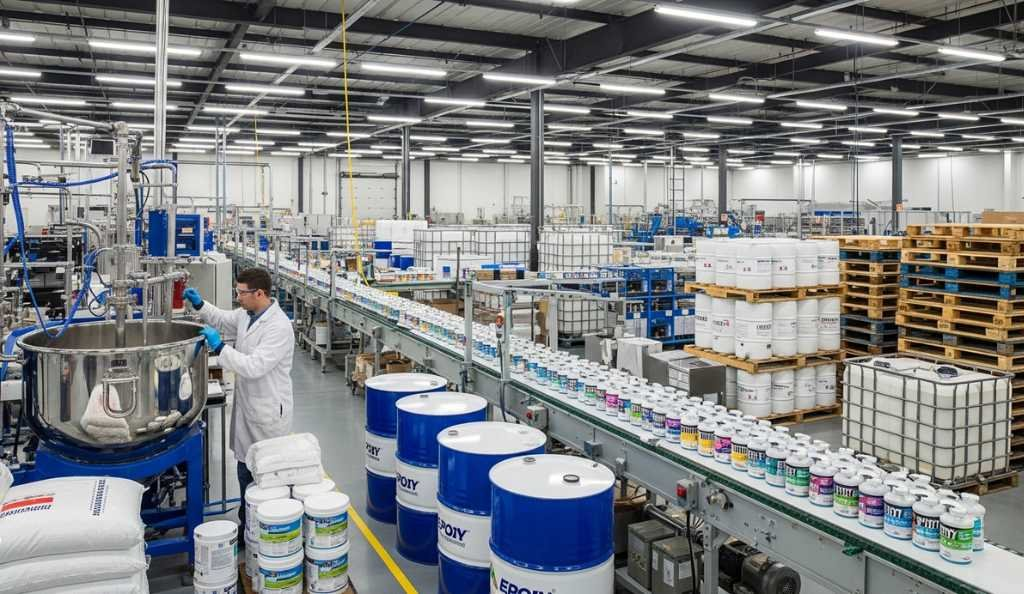
Floor coating manufacturers are companies that develop, produce, and supply protective coating materials for different types of floors. These products are commonly used on concrete surfaces in industrial, commercial, and residential environments.
Manufacturers may produce a wide range of coating systems, including epoxy, polyurethane, polyaspartic, acrylic, and cement-based coatings. Each material is created for specific conditions and performance requirements.
For example, an industrial warehouse may need a coating that can support heavy machinery and forklift traffic. A food processing facility may require a hygienic and chemical-resistant surface. A residential garage may need a decorative and easy-to-clean coating.
Reliable manufacturers test their products to ensure consistent quality. They also provide technical information, application guidelines, and recommendations for different projects.
Types of Floor Coatings Available
Leading floor coating manufacturers usually offer several types of coating products. Understanding these options can help buyers select the right solution.
Some common types include:
- Epoxy floor coatings
- Polyurethane coatings
- Polyaspartic coatings
- Acrylic floor coatings
- Cementitious coatings
- Anti-slip coatings
- Decorative floor systems
- Chemical-resistant coatings
Each type has unique properties. The best choice depends on the environment, budget, surface condition, and expected traffic.
Epoxy Floor Coatings
Epoxy is one of the most popular products offered by floor coating manufacturers. It is widely used in garages, factories, warehouses, laboratories, and commercial spaces.
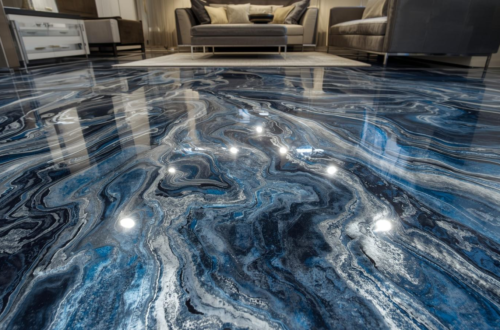
Epoxy coatings create a strong protective layer over concrete. They can improve resistance to chemicals, oils, stains, and mechanical wear. Epoxy floors are also available in many colors and decorative finishes.
One major benefit of epoxy is its durability. When properly installed, it can provide long-term protection for demanding environments.
However, surface preparation is extremely important. The concrete must be clean, dry, and properly prepared before application. Moisture or poor preparation can reduce the coating’s performance.
Polyurethane Floor Coatings
Polyurethane coatings are known for their flexibility and resistance to wear. They can perform well in areas exposed to regular movement, impacts, and temperature changes.
Many floor coating manufacturers recommend polyurethane systems for commercial and industrial applications. These coatings can also provide good resistance to UV exposure, making them useful in areas where sunlight is a concern.
Compared with some epoxy systems, polyurethane coatings may offer better flexibility. This can help reduce cracking caused by small movements in the underlying surface.
They are also available in different finishes, including glossy and matte surfaces.
Polyaspartic Floor Coatings
Polyaspartic technology has become increasingly popular in modern flooring projects. These coatings are valued for their fast curing time and strong performance.
Professional floor coating manufacturers often develop polyaspartic systems for garages, workshops, commercial buildings, and industrial spaces.
One major advantage is fast installation. Some systems can be applied and returned to service more quickly than traditional coatings. This is useful for businesses that cannot afford long periods of downtime.
Polyaspartic coatings can also offer good resistance to chemicals, stains, abrasion, and UV exposure. However, proper installation is still necessary to achieve the best results.
Why Quality Matters in Floor Coatings
Not all coating products provide the same level of performance. The quality of raw materials, manufacturing processes, and product testing can greatly affect the final result.
Experienced floor coating manufacturers focus on consistency. Customers should receive products that perform according to the stated specifications.
A high-quality coating may offer benefits such as:
- Better adhesion to the surface
- Higher resistance to chemicals
- Improved abrasion resistance
- Longer service life
- Easier cleaning
- Better appearance
- Increased protection against moisture
Choosing a low-quality product may initially save money. However, early failure can lead to expensive repairs, downtime, and replacement costs.
How to Choose the Right Floor Coating Manufacturers
Choosing among different floor coating manufacturers requires more than comparing prices. Buyers should consider product quality, technical support, industry experience, and available coating systems.
First, identify the purpose of the floor. Consider the amount of traffic, exposure to chemicals, moisture levels, temperature conditions, and cleaning requirements.
Next, review the manufacturer’s product information. Reliable companies usually provide technical data sheets, safety information, application instructions, and performance details.
It is also helpful to ask about project support. A manufacturer with knowledgeable technical staff can recommend the right system and help solve application problems.
Price is important, but it should not be the only factor. A cheaper product may require more maintenance or replacement over time.
Important Factors to Consider Before Buying
Before selecting a coating system, customers should evaluate several important factors.
Floor Condition
The existing surface must be inspected for cracks, moisture, contamination, and damage. Some problems need to be repaired before applying a coating.
Traffic Level
Heavy industrial traffic requires a stronger system than a low-traffic office or residential area.
Chemical Exposure
Factories, laboratories, and workshops may require coatings that can resist oils, acids, solvents, or other chemicals.
Moisture Conditions
Moisture can affect adhesion. The right coating system should be selected based on the condition of the concrete.
Appearance
Color, texture, gloss, and decorative options may also influence the final choice.
Good floor coating manufacturers can help customers match these requirements with suitable products.
Industrial Applications of Floor Coatings
Floor coatings are used across many industries. Manufacturing facilities often use protective systems to improve safety and protect concrete from heavy equipment.
Warehouses benefit from durable coatings that can handle forklifts and constant movement. Automotive workshops may need resistance to oil, grease, and chemicals.
Food and beverage facilities often require smooth and easy-to-clean surfaces. Healthcare facilities may focus on hygiene, durability, and low maintenance.
Other common applications include:
- Garages
- Retail stores
- Airports
- Schools
- Laboratories
- Parking areas
- Pharmaceutical facilities
- Sports facilities
Because every environment is different, floor coating manufacturers must offer products designed for specific performance needs.
The Importance of Proper Surface Preparation
Even the best floor coating can fail if the surface is not properly prepared. Surface preparation is one of the most important steps in the installation process.
The floor may need cleaning, grinding, shot blasting, crack repair, or moisture testing. These steps help create a strong surface for the coating to bond with.
Dust, oil, grease, and loose material can prevent proper adhesion. Moisture problems can also cause bubbling or peeling.
Professional contractors often follow the manufacturer’s recommended preparation methods. This helps ensure that the coating system performs as expected.
Benefits of Working With Reputable Manufacturers
Working with established floor coating manufacturers can provide several advantages. Reputable suppliers usually invest in research, testing, and product development.
They may offer technical assistance before and during installation. This support can be especially valuable for large industrial or commercial projects.
Other benefits may include:
- Consistent product quality
- Detailed technical documentation
- Professional application guidance
- A wider range of coating systems
- Access to new coating technologies
- Better long-term performance
A good manufacturer does not simply sell a product. It helps customers select a complete flooring solution.
Maintenance and Long-Term Performance
Floor coatings can last longer when they receive proper care. Regular cleaning helps remove dirt, chemicals, and materials that could damage the surface.
The cleaning method should match the coating type. Harsh products or unsuitable equipment may reduce the coating’s appearance or performance.
Regular inspections can also help identify small problems before they become serious. Cracks, scratches, and damaged areas should be repaired when necessary.
Following maintenance recommendations from floor coating manufacturers can help protect the investment and extend the life of the flooring system.
Conclusion
Choosing the right floor coating can improve durability, safety, appearance, and maintenance efficiency. Whether the project involves a garage, warehouse, factory, hospital, or commercial building, the quality of the coating system matters.
Reliable floor coating manufacturers offer products designed for different environments and performance requirements. Buyers should consider the type of coating, floor condition, traffic level, chemical exposure, installation process, and long-term maintenance needs.
A well-chosen coating system can protect the underlying floor and reduce future repair costs. By working with experienced manufacturers and following proper installation procedures, businesses and property owners can achieve a durable, attractive, and long-lasting flooring solution.