Making wine at home can be a rewarding experience. However, producing good wine is only one part of the process. Proper bottling is equally important. A wine corker is a useful tool that helps seal wine bottles with corks. A properly inserted cork can protect the wine from air, contamination, and unwanted leaks.
Whether you are a beginner, home winemaker, or small-scale producer, choosing the right wine corker can make bottling easier and more efficient. Different types of corkers are available, from simple handheld models to large floor corkers. Each option has its own benefits and is suitable for different production needs.
This guide explains what a wine corker is, how it works, the main types available, and how to choose the best one for your wine bottling process.
What Is a Wine Corker?
A wine corker is a device designed to insert corks into wine bottles. The tool compresses the cork so that it can fit inside the neck of the bottle. Once the cork is inserted, it slowly expands and creates a tight seal.
Wine bottles have narrow openings, while natural and synthetic corks are usually wider than the bottle neck. For this reason, pushing a cork into the bottle by hand can be difficult. A wine corker makes the process faster and helps ensure that the cork is placed correctly.
The tool is commonly used by home winemakers, wineries, breweries, and small beverage producers. Some corkers are designed for occasional use, while others can handle large bottling operations.
Why Proper Corking Is Important
Proper corking plays an important role in preserving wine quality. If a cork is not inserted correctly, air may enter the bottle. Too much oxygen can affect the taste, aroma, and overall quality of the wine.
A good wine corker helps create a consistent seal. This is especially important if the wine will be stored for several months or years. A loose cork may also cause leakage during transportation or storage.
Correct cork placement can also improve the appearance of the finished bottle. A professionally corked bottle looks clean and well-packaged, which is important for home winemakers and commercial producers alike.
Types of Wine Corker Machines
There are several types of wine corker tools available. The best choice depends on your production volume, budget, and level of experience.
Common options include:
- Handheld corkers
- Double-lever corkers
- Bench corkers
- Floor corkers
- Pneumatic corkers
- Electric corking machines
Simple corkers are suitable for small batches. Larger machines are better for producers who bottle wine regularly. Understanding the differences can help you choose a tool that matches your needs.
Handheld Wine Corkers
A handheld wine corker is one of the simplest options available. These tools are usually lightweight, affordable, and easy to store. They are often used by beginners who make small amounts of wine at home.
The user places the cork into the tool and positions it over the bottle. Pressure is then applied to push the cork into place. Some handheld models require significant physical effort.
While they are affordable, handheld corkers may not provide the same consistency as larger machines. They are best suited for occasional bottling rather than large production runs.
Double-Lever Corkers
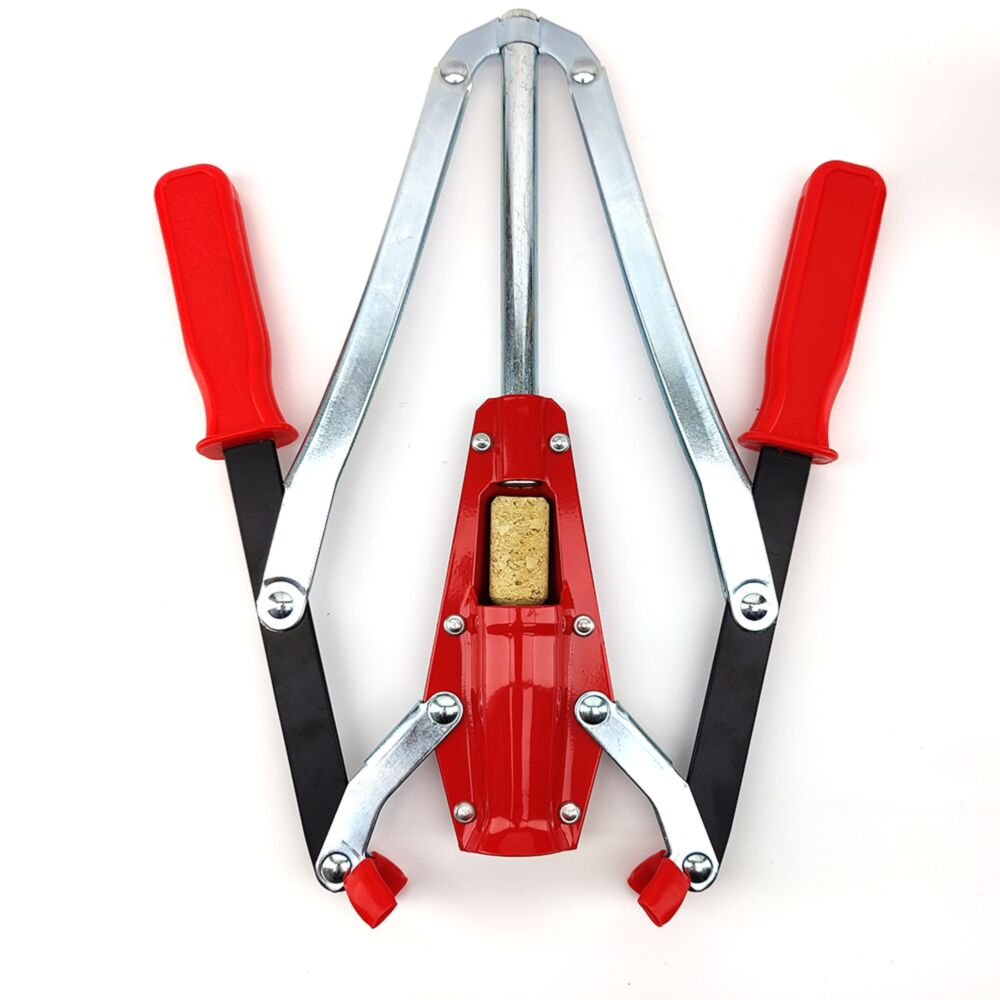
Double-lever corkers are a popular choice for home winemakers. They use two handles to provide leverage when inserting the cork. This makes the corking process easier than using a basic handheld device.
The user places the cork inside the corker, positions the tool on the bottle, and pushes both handles downward. The mechanical leverage helps compress and insert the cork.
A double-lever wine corker is often a good middle-ground option. It is more efficient than a basic handheld tool but still affordable and portable. However, frequent use may still require physical effort.
Floor Wine Corkers
A floor wine corker is designed for more convenient and consistent bottling. These machines stand on the floor and usually use a long lever to insert the cork.
The bottle is placed on a platform, while the cork is positioned inside the machine. When the lever is pulled, the cork is compressed and pushed into the bottle.
Floor corkers provide better control and require less effort than smaller tools. They are ideal for home winemakers who produce larger batches or bottle wine regularly. Their durable design can also provide consistent results over many uses.
Pneumatic and Electric Corking Machines
For commercial or high-volume production, pneumatic and electric machines may be the best solution. These advanced systems can insert corks quickly and consistently.
A pneumatic wine corker uses compressed air to power the corking process. An electric machine uses a motorized system. Both options can reduce manual labor and improve production speed.
These machines are commonly used in professional wineries and beverage packaging facilities. Although they are more expensive, they can be a valuable investment for businesses with regular bottling requirements.
How to Choose the Right Wine Corker
Choosing the right wine corker depends on several important factors. First, consider how many bottles you plan to seal. A simple handheld corker may be enough for a small batch, while a floor or pneumatic machine may be better for larger production.
You should also consider the type of cork you plan to use. Natural corks, synthetic corks, and other closures may require different levels of compression. Make sure the corker is compatible with your preferred bottle and cork sizes.
Durability is another important factor. A high-quality machine may cost more initially but can provide reliable performance over a longer period. Ease of cleaning and maintenance should also be considered.
Steps for Using a Wine Corker
Using a wine corker is generally simple, but the process should be completed carefully. Start by preparing clean and sanitized bottles. Make sure the wine is ready for bottling before beginning the corking process.
Next, prepare the corks according to the manufacturer’s recommendations. Some corks may need to be softened or treated before use. Place a cork into the wine corker and position the bottle correctly.
Apply pressure using the machine’s lever or mechanism. The cork should enter the bottle evenly and sit at the correct depth. Check each bottle for loose or damaged corks before storing it.
Common Wine Corking Mistakes to Avoid
Several mistakes can affect the final result. One common problem is using the wrong size cork. A cork that is too small may not create a secure seal, while a cork that is too large may be difficult to insert.
Another mistake is failing to sanitize the equipment. Bottling tools should be clean to reduce the risk of contamination. Using damaged bottles can also create problems during the corking process.
Applying uneven pressure may cause the cork to sit incorrectly. A reliable wine corker helps reduce this problem, but proper setup is still important. Always inspect the corking machine and test it before starting a large bottling batch.
Maintaining Your Wine Corker
Regular maintenance can help extend the life of your wine corker. After each bottling session, remove any cork particles, dust, or spilled liquid from the machine.
Moving parts should be inspected regularly. Depending on the machine design, some components may require lubrication. Always follow the manufacturer’s maintenance instructions.
Store the corker in a clean and dry location. Proper storage can prevent corrosion and damage. Regular maintenance also helps ensure that the machine continues to insert corks consistently.
Benefits of Using a Quality Wine Corker
A quality wine corker offers several important benefits. It can save time, reduce physical effort, and improve the consistency of the bottling process.
It can also help protect the wine by creating a secure seal. This is particularly important for wines intended for long-term storage. A properly sealed bottle can maintain its quality more effectively.
For commercial producers, an efficient corking system can also improve productivity. Faster and more consistent bottling allows businesses to process larger quantities while maintaining packaging standards.
Conclusion
A wine corker is an essential tool for anyone who bottles wine using cork closures. From simple handheld devices to advanced pneumatic machines, there is a corking solution for almost every production level.
Before choosing a machine, consider your bottling volume, budget, bottle type, and preferred cork material. Beginners may benefit from a simple manual corker, while frequent producers may prefer a bench or floor model. Larger wineries can improve efficiency with pneumatic or electric equipment.
By selecting the right wine corker and using it correctly, you can create a secure seal, protect your wine, and achieve a cleaner and more professional bottling result.
Frequently Asked Questions About Wine Corkers
What is a wine corker used for?
A wine corker is used to compress and insert corks into wine bottles. It helps create a secure seal for storage.
Which wine corker is best for home use?
A double-lever or floor corker is often a good choice for home winemakers because it provides better control and requires less effort.
Can I use a wine corker for synthetic corks?
Yes, many wine corkers can be used with synthetic corks. However, you should check that the machine is compatible with the cork size and material.
How long does a wine corker last?
A well-maintained wine corker can last for many years. Durability depends on the machine’s quality, materials, and frequency of use.
Why is my wine cork not sealing properly?
The problem may be caused by the wrong cork size, incorrect insertion depth, damaged corks, or poor alignment during the corking process.
Do I need an electric wine corker?
An electric corker is not necessary for small batches. It is generally more useful for wineries or businesses that need to bottle large quantities efficiently.