Freight elevators are an important part of many industrial and commercial buildings. They are designed to move heavy goods, equipment, materials, and products between different floors safely and efficiently. Unlike passenger elevators, freight elevators focus mainly on strength, durability, and load capacity. Choosing the right freight elevator manufacturer is therefore an important decision for businesses that need reliable material transportation.
A professional manufacturer can provide elevators designed around your building, workload, available space, and safety requirements. Modern freight elevators can also include advanced control systems, durable components, automatic doors, and energy-efficient technology. Whether you operate a warehouse, factory, shopping center, logistics facility, or industrial plant, the right elevator can improve productivity and reduce manual handling.
What Is a Freight Elevator?
A freight elevator is a lifting system designed primarily for transporting goods and heavy materials. It normally has a stronger cabin, reinforced flooring, durable doors, and a higher load capacity than a standard passenger elevator.
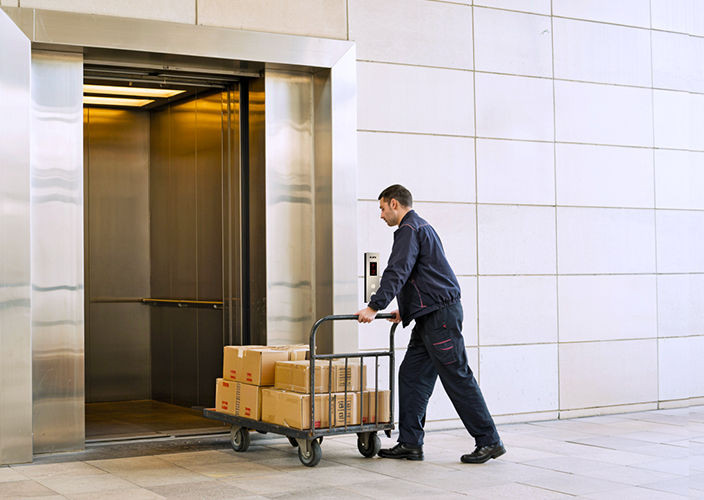
Freight elevators are commonly used in factories, warehouses, distribution centers, retail stores, hospitals, hotels, and manufacturing facilities. Depending on the design, they can transport pallets, machinery, carts, boxes, raw materials, and other large items.
A reliable freight elevator manufacturer can design systems for different building sizes and operating conditions. Some models are built for moderate commercial use, while heavy-duty versions are designed for demanding industrial environments.
Why Choosing the Right Manufacturer Matters
Selecting a reliable manufacturer can affect the elevator’s performance, safety, maintenance needs, and operating life. A low-quality system may experience frequent breakdowns or require expensive repairs.
An experienced manufacturer understands how to match elevator specifications with the customer’s requirements. They can consider factors such as load capacity, travel height, shaft dimensions, door size, operating frequency, and environmental conditions.
A good manufacturer should also provide technical support, installation guidance, spare parts, and maintenance assistance. This creates a complete solution instead of simply supplying elevator equipment.
Key Features of Modern Freight Elevators
Modern freight elevators are available with many useful features that improve safety and productivity. Common features include reinforced cabins, heavy-duty doors, emergency systems, overload protection, automatic leveling, and durable control panels.
Some systems also use variable-frequency drives to provide smoother starting and stopping. This can improve passenger-free goods handling and reduce mechanical stress.
Depending on the application, businesses can choose different door configurations, cabin materials, control systems, and loading arrangements. A qualified manufacturer can recommend the most suitable combination for each project.
Types of Freight Elevators
There are several types of freight elevators available for different applications. Hydraulic freight elevators are often used in buildings where moderate travel heights and high lifting capacity are required.
Traction freight elevators use ropes, pulleys, and electric motors. They can be suitable for taller buildings and applications requiring efficient vertical transportation.
Some manufacturers also offer heavy-duty industrial elevators designed for factories and production facilities. These elevators may include reinforced cabins and specialized components for demanding environments.
The best choice depends on building design, lifting requirements, usage frequency, and project budget.
How Much Load Can a Freight Elevator Carry?
Load capacity is one of the most important factors when selecting a freight elevator. Different models can handle different weights, ranging from smaller commercial loads to several tons for industrial applications.
Before choosing an elevator, businesses should calculate the maximum expected load. The calculation should include the weight of goods, pallets, carts, containers, or equipment that may enter the cabin.
A professional freight elevator manufacturer can help determine the appropriate capacity. Selecting the correct capacity prevents unnecessary strain and supports safer, more reliable operation.
Safety Features to Consider
Safety should always be a priority when purchasing a freight elevator. Modern systems can include several safety mechanisms to protect workers, goods, and equipment.
Important features may include emergency brakes, door interlocks, overload sensors, emergency alarms, limit switches, safety locks, and automatic leveling systems.
The elevator should also be installed according to applicable local building codes and safety standards. Regular inspections and maintenance are equally important after installation.
Custom Freight Elevator Solutions
Every building has different requirements. For this reason, many manufacturers provide customized freight elevator solutions.
Customization can include cabin dimensions, lifting capacity, door dimensions, travel distance, shaft configuration, flooring, control systems, and finishing materials. Special designs may also be developed for factories or facilities with unusual operating conditions.
Working with a manufacturer that offers customization can help businesses make better use of available space while meeting operational requirements.
Benefits of Using a Professional Manufacturer
Working with an experienced manufacturer provides several advantages. First, businesses can receive equipment designed specifically for their application. This can improve efficiency and reduce unnecessary operating problems.
Professional manufacturers may also provide installation support and technical documentation. Access to replacement parts and trained service professionals can make future maintenance easier.
A well-designed freight elevator can also reduce the need for manual transportation between floors. This can save time and help workers focus on other important tasks.
How to Choose a Freight Elevator Manufacturer
Businesses should consider several factors before selecting a manufacturer. Start by reviewing the company’s experience with similar projects. Manufacturers with industrial experience may better understand heavy-duty applications.
Check the available product range, customization options, technical support, warranty coverage, and spare parts availability. It is also useful to review previous installations and customer feedback when available.
The manufacturer should clearly explain elevator specifications, installation requirements, maintenance schedules, and expected operating conditions. Clear communication can help prevent misunderstandings during a project.
Installation and Maintenance
Professional installation is essential for reliable elevator performance. The installation process should follow the manufacturer’s specifications and applicable safety requirements.
After installation, regular maintenance helps identify worn components before they cause major problems. Routine inspections can cover doors, cables, brakes, motors, controls, safety devices, and other important components.
Businesses should maintain service records and follow the recommended maintenance schedule. Preventive maintenance can extend equipment life and reduce unexpected downtime.
Cost of a Freight Elevator
The cost of a freight elevator depends on many factors. These include load capacity, elevator type, travel height, cabin size, door design, building requirements, installation complexity, and customization.
Instead of choosing only the lowest purchase price, businesses should consider the total cost of ownership. Energy use, maintenance, replacement parts, downtime, and expected service life can all affect the long-term value of an elevator.
A reliable freight elevator manufacturer can provide a detailed quotation based on the project’s specific requirements.
Why Freight Elevators Improve Business Efficiency
Freight elevators can make vertical material movement faster and more organized. In warehouses and factories, they can help move products between storage areas, production floors, and loading zones.
They can also reduce manual lifting and carrying, which may improve workplace efficiency. Faster material movement can support smoother production and distribution processes.
For growing businesses, a properly selected freight elevator can become an important part of an efficient material-handling system.
Final Thoughts
Choosing the right freight elevator manufacturer is an important step for any business that needs dependable vertical transportation. A quality manufacturer can provide strong equipment, customized designs, professional installation, and long-term technical support.
Before making a purchase, consider load capacity, elevator type, safety features, building requirements, maintenance, warranty, and total operating costs. Comparing manufacturers carefully can help you find a solution that offers reliable performance for years.
With the right freight elevator, businesses can move heavy goods more safely, improve workflow, reduce manual handling, and create a more efficient working environment.