The cosmetic industry depends heavily on quality, consistency, and attractive packaging. Whether a company produces creams, lotions, serums, shampoos, perfumes, or other beauty products, accurate filling is an important part of the production process. A cosmetic filling machine helps manufacturers fill products into bottles, jars, tubes, and other containers quickly and accurately.
Manual filling can be slow and may lead to inconsistent product quantities. A modern filling machine reduces these problems by automating the process. It can improve production speed, reduce waste, and help maintain a professional packaging standard.
In this article, we will explain what a cosmetic filling machine is, how it works, its different types, benefits, applications, and important factors to consider before choosing one.
What Is a Cosmetic Filling Machine?
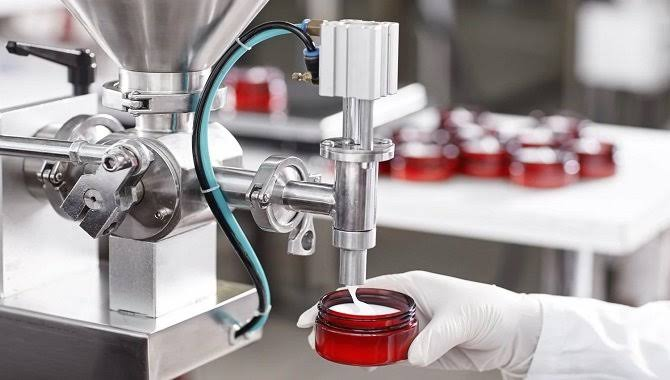
A cosmetic filling machine is specialized equipment designed to fill cosmetic and personal care products into different types of containers. These machines can handle liquids, creams, gels, pastes, and other cosmetic formulations.
The main purpose of the machine is to deliver the correct amount of product into every container. Depending on the production requirements, cosmetic manufacturers can choose manual, semi-automatic, or fully automatic filling systems.
For example, a small cosmetic business may use a tabletop filling machine for limited production. A large manufacturing company may need a complete automated production line with filling, capping, labeling, and packaging equipment.
The right cosmetic filling system helps businesses maintain product consistency while increasing overall production efficiency.
Why Cosmetic Manufacturers Need Filling Machines
Cosmetic products are often sold in carefully designed packaging. Customers expect every bottle or jar to contain the correct amount of product. Even a small filling error can affect product quality and customer satisfaction.
A cosmetic filling machine helps solve this issue by providing accurate and repeatable filling. It also reduces dependence on manual labor and allows workers to focus on other important production tasks.
Using automated equipment can also help reduce product waste. Expensive ingredients, creams, oils, and serums can be filled more precisely, which may improve production efficiency.
As production demand increases, a reliable filling machine can help a cosmetic company scale its operations without sacrificing consistency.
Types of Cosmetic Filling Machines
Different cosmetic products require different filling technologies. The best machine depends on product viscosity, container type, production volume, and required accuracy.
Some of the most common types include:
- Manual filling machines
- Semi-automatic filling machines
- Fully automatic filling machines
- Piston filling machines
- Gravity filling machines
- Vacuum filling machines
- Pump filling machines
Each system has different advantages. Manufacturers should understand their production requirements before selecting equipment.
Manual Cosmetic Filling Machines
Manual filling machines are generally suitable for small businesses, laboratories, and startup cosmetic brands. These machines usually require an operator to control the filling process.
They are often more affordable than automated systems and can be useful for small production batches. Manual equipment may also be easier to operate and maintain.
However, production speed is limited. As demand grows, manual filling may become time-consuming. There can also be more variation between containers if the operator does not work consistently.
For businesses producing a small number of cosmetic products, manual filling can be a practical starting point. Companies can later upgrade to semi-automatic or fully automatic equipment as production increases.
Semi-Automatic Cosmetic Filling Machines
Semi-automatic machines offer a balance between manual work and automation. The operator may place containers under the filling nozzle, while the machine controls the amount of product being dispensed.
This type of cosmetic filling machine is popular among growing cosmetic businesses. It can improve filling accuracy and increase production speed without requiring a large automated production line.
Semi-automatic machines can often handle different container sizes with proper adjustments. This makes them useful for companies producing multiple product variations.
They are commonly used for lotions, creams, gels, shampoos, oils, and other cosmetic products.
Fully Automatic Cosmetic Filling Machines
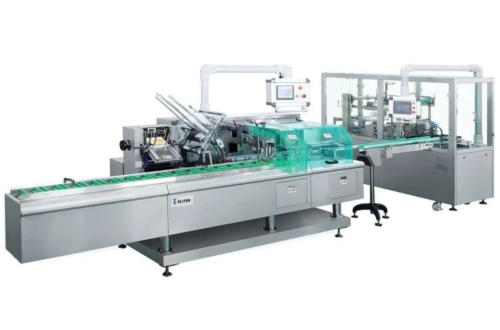
Fully automatic cosmetic filling machines are designed for high-volume production. These systems can move containers through the filling process automatically.
Depending on the equipment, the production line may include bottle feeding, filling, capping, sealing, labeling, and packaging.
Automation allows manufacturers to produce a large number of units in less time. It can also improve consistency because the filling process follows programmed settings.
Although fully automatic equipment usually requires a larger investment, it can be beneficial for established cosmetic manufacturers with high production demands.
The machine configuration should be selected carefully to match the type of cosmetic product and the desired production capacity.
How a Cosmetic Filling Machine Works
The working process depends on the machine design and filling technology. However, most systems follow a similar basic process.
First, empty containers are positioned under the filling nozzles. The cosmetic product is supplied from a hopper, tank, or other product storage system.
The machine then measures and dispenses a specific quantity of product into each container. After filling, the containers move to the next stage of production.
In automated lines, the containers may continue to capping, sealing, labeling, or packaging equipment.
For thick products such as creams and pastes, piston or pump-based systems are often useful. For thinner liquids, other filling technologies may be more suitable.
Products That Can Be Filled
A cosmetic filling machine can be used for a wide range of beauty and personal care products.
Common applications include:
- Face creams
- Body lotions
- Serums
- Shampoos
- Conditioners
- Hair oils
- Liquid soaps
- Facial cleansers
- Gels
- Essential oils
- Perfumes
- Cosmetic liquids
- Beauty creams
- Sunscreen products
The product’s thickness and physical characteristics play an important role when selecting the filling technology.
For example, a machine designed for water-like liquids may not perform efficiently with a thick cosmetic cream. Therefore, manufacturers should always consider product viscosity before purchasing equipment.
Important Features to Consider
Choosing the right cosmetic filling machine requires careful planning. The first factor is the type of cosmetic product being filled.
Viscosity is especially important. Thin liquids, thick creams, gels, and pastes may require different filling systems.
Production capacity is another major consideration. A small company may only need a few hundred units per day, while a large manufacturer may require thousands of containers per hour.
Container size and shape should also be considered. Some machines can handle bottles, jars, tubes, and other packaging formats.
Other important features include:
- Filling accuracy
- Adjustable filling volume
- Number of filling nozzles
- Ease of cleaning
- Material quality
- Automation level
- Changeover time
- Maintenance requirements
A machine should be selected based on both current needs and future production growth.
Benefits of Using a Cosmetic Filling Machine
Investing in a cosmetic filling machine can provide several important benefits.
First, it improves filling consistency. Every container can receive a more accurate quantity of product.
Second, automation increases production speed. Businesses can process more products in less time compared with completely manual filling.
Third, the machine can help reduce product waste. Accurate dispensing is especially valuable when working with expensive cosmetic ingredients.
Another benefit is improved hygiene. Machines designed for cosmetic production can use materials and components that are easier to clean and maintain.
Finally, automated equipment can help companies create a more professional and scalable manufacturing process.
Cleaning and Maintenance Requirements
Regular cleaning is important for any cosmetic filling system. Product residue can affect machine performance and may create quality problems if equipment is not maintained properly.
The cleaning process should follow the requirements of the specific product and production environment. Components that come into contact with the cosmetic formula should be cleaned according to appropriate procedures.
Regular maintenance can also help reduce unexpected downtime. Operators should inspect seals, hoses, pumps, nozzles, and other important components.
Following the manufacturer’s maintenance schedule can extend the equipment’s working life and help maintain consistent filling performance.
Proper staff training is also important. Operators should understand how to use, clean, adjust, and inspect the machine safely.
How to Choose the Right Cosmetic Filling Machine
Before purchasing a cosmetic filling machine, manufacturers should clearly define their requirements.
Start by analyzing the cosmetic products being produced. Consider viscosity, ingredients, filling temperature, and container type.
Next, estimate the required production capacity. It is usually wise to select equipment that can support future business growth.
Manufacturers should also consider available factory space. A compact semi-automatic machine may be suitable for a small production area, while a fully automated line requires more space and supporting equipment.
Working with an experienced equipment supplier can make the selection process easier. The supplier may help recommend a filling solution based on the product, packaging, and production goals.
Frequently Asked Questions
What is a cosmetic filling machine used for?
A cosmetic filling machine is used to accurately fill beauty and personal care products into bottles, jars, tubes, and other containers.
Can one machine fill different cosmetic products?
Some machines can handle different products, especially when they have adjustable settings. However, compatibility depends on the product’s viscosity and machine design.
Which machine is best for thick cosmetic creams?
Piston or pump-based filling systems are often suitable for thicker products such as creams, gels, and pastes.
Is a semi-automatic filling machine good for small businesses?
Yes. Semi-automatic machines can offer good accuracy and improved production speed while requiring a lower investment than a fully automatic line.
How important is filling accuracy?
Filling accuracy is very important because it helps maintain product consistency, reduce waste, and meet packaging requirements.
How often should a cosmetic filling machine be cleaned?
Cleaning frequency depends on the product, production schedule, and equipment design. Machines should be cleaned regularly according to proper operating and hygiene procedures.
Conclusion
A cosmetic filling machine is an important investment for businesses involved in beauty and personal care product manufacturing. It helps improve filling accuracy, increase production speed, reduce waste, and maintain consistent product packaging.
From small manual systems to advanced fully automatic production lines, there are many options available. The best choice depends on the type of cosmetic product, container design, production volume, and available budget.
By carefully evaluating these factors, cosmetic manufacturers can select equipment that supports efficient production and future growth. A reliable cosmetic filling machine can help create a smoother manufacturing process and deliver consistently packaged products to customers.