A shisha tobacco mixing machine is an important piece of equipment used in the production of flavored shisha tobacco, also known as hookah tobacco or water-pipe tobacco. It helps manufacturers blend tobacco, flavoring ingredients, sweeteners, and other permitted components into a consistent mixture. Proper mixing is important because it affects texture, moisture distribution, flavor consistency, and overall product quality.
Modern manufacturing requires equipment that can provide reliable results while reducing manual work. A well-designed mixing machine can help improve production efficiency and create a more uniform batch. For commercial manufacturers, selecting the right machine depends on production capacity, mixing requirements, material characteristics, cleaning needs, and automation levels.
What Is a Shisha Tobacco Mixing Machine?
A shisha tobacco mixing machine is industrial equipment designed to combine different ingredients used in shisha tobacco production. Depending on the manufacturing process, these ingredients may include processed tobacco, flavoring materials, sweeteners, humectants, and other permitted substances.
The machine uses mechanical movement to distribute the ingredients throughout the mixture. Different designs use paddles, blades, ribbons, or other mixing mechanisms. The goal is to achieve an even blend without damaging the tobacco unnecessarily.
Unlike manual mixing, automated equipment can provide more repeatable results. This makes it useful for manufacturers that produce multiple batches or different product varieties.
Why Consistent Mixing Matters
Consistency is one of the most important factors in shisha tobacco manufacturing. Uneven mixing can cause some portions of a batch to contain more flavoring or moisture than others. This can create differences in texture and product performance.
A quality shisha tobacco mixing machine helps distribute ingredients evenly. Consistent mixing can also make production easier to control from batch to batch. Manufacturers can establish defined operating procedures for loading, mixing, unloading, and cleaning.
Better consistency can support quality-control processes and reduce the risk of producing batches that do not meet established specifications.
Main Components of a Mixing Machine
A typical mixing machine contains several important components. The mixing chamber is the main area where ingredients are combined. Inside the chamber, mixing elements move the material through the mixture.
The machine may also include a motor, gearbox, control panel, loading opening, discharge system, and safety components. Some advanced systems include automated controls that allow operators to manage mixing cycles more accurately.
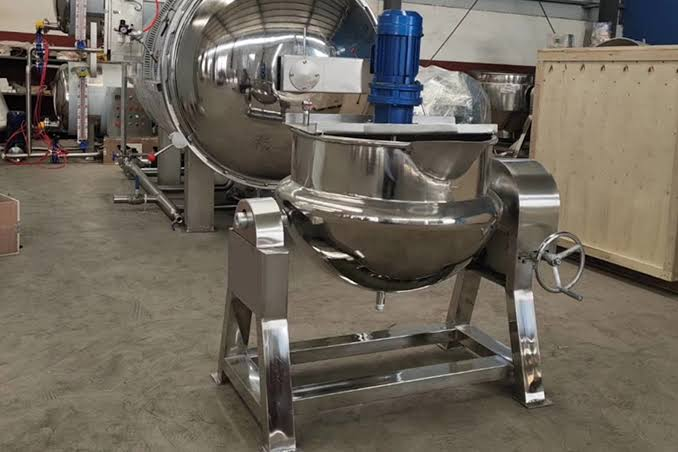
The materials used to construct the machine are also important. Stainless steel is commonly selected for processing equipment because it is durable, resistant to corrosion, and relatively easy to clean when properly designed.
How the Mixing Process Works
The exact process depends on the formulation and equipment design. Generally, the required materials are measured according to the manufacturer’s approved formulation and loaded into the mixing chamber.
The mixing mechanism then moves the materials together. During this stage, operators or automated systems may monitor the process according to established production specifications.
After the desired mixing cycle is completed, the finished material is discharged from the machine. The equipment is then cleaned according to the manufacturer’s sanitation and maintenance procedures before another batch is processed.
Types of Mixing Equipment
Different types of mixers can be used depending on production requirements. Ribbon mixers are designed to move materials through a horizontal chamber and can be suitable for many dry or semi-moist materials.
Paddle mixers use paddle-shaped mixing elements to move materials efficiently. Some manufacturers may also use specialized planetary or high-shear systems for particular formulations.
The best option depends on factors such as batch size, moisture level, ingredient characteristics, required mixing intensity, and production speed. A manufacturer should evaluate these factors before purchasing equipment.
Benefits of Automated Mixing
Automation can provide several benefits in a commercial production environment. First, it can reduce the amount of repetitive manual labor required during the mixing stage. Second, automated systems can help create more repeatable processing conditions.
Another advantage is production efficiency. Machines can process larger batches than manual methods while maintaining a controlled mixing procedure.
Automation may also make it easier to record production information. Depending on the system, operators can monitor mixing cycles, operating parameters, and batch information through a control interface.
Choosing the Right Machine Capacity
Capacity should be considered carefully before purchasing a shisha tobacco mixing machine. A machine that is too small may require many batches and increase production time. A machine that is unnecessarily large can increase equipment costs and consume more space.
Manufacturers should consider average batch sizes, future production plans, available floor space, and the characteristics of the material being processed.
It is also important to understand whether the advertised capacity represents the maximum chamber volume or the recommended working capacity. These figures may not be the same.
Importance of Hygienic Design
Hygienic design is especially important for equipment used in consumable product manufacturing. Surfaces that contact the product should be designed to support effective cleaning.
The mixing chamber should have as few unnecessary gaps, dead areas, and difficult-to-reach surfaces as practical. Easy access to product-contact areas can make cleaning and inspection more efficient.
Manufacturers should also establish documented cleaning procedures. Proper cleaning helps reduce cross-batch contamination and supports consistent production standards.
Maintenance and Machine Safety
Regular maintenance can extend equipment life and reduce unexpected production interruptions. Operators should follow the manufacturer’s maintenance schedule and inspect components such as bearings, seals, belts, gearboxes, and mixing elements.
Safety is equally important. Moving parts should have suitable guards and emergency controls where required. Operators should receive proper training before using the machine.
Before maintenance or cleaning, appropriate shutdown and isolation procedures should be followed. Manufacturers should also comply with applicable workplace safety requirements and local regulations.
Improving Production Efficiency
A well-planned mixing operation can improve overall manufacturing efficiency. Proper ingredient preparation, accurate measurement, suitable loading procedures, and controlled mixing cycles can reduce unnecessary delays.
Production teams should also monitor equipment performance over time. If mixing becomes inconsistent, unusual noise develops, or discharge performance changes, the machine should be inspected.
Using standardized operating procedures can help different operators follow the same process. This supports repeatability and makes production easier to manage.
Quality Control During Mixing
Quality control should be part of the entire manufacturing process rather than an activity performed only after mixing. Manufacturers can establish specifications for factors such as moisture, texture, appearance, and batch uniformity.
Sampling procedures should follow the manufacturer’s quality system and applicable regulations. Records can help identify trends and investigate production problems.
A reliable shisha tobacco mixing machine supports quality control by providing consistent mechanical mixing. However, equipment alone cannot guarantee product quality. Ingredient control, formulation accuracy, operator training, testing, and proper storage are also important.
Cleaning Between Different Flavors
Flavor changes can create additional cleaning requirements. Residual material from one batch may affect a later batch if the equipment is not cleaned properly.
Manufacturers should develop cleaning procedures that consider the ingredients being processed. The procedure may include removing remaining material, cleaning product-contact surfaces, inspecting the chamber, and verifying that the equipment is ready for the next batch.
For facilities producing several flavors, an effective cleaning and production schedule can help reduce unwanted carryover between batches.
Conclusion
A shisha tobacco mixing machine can play an important role in modern shisha tobacco production by improving mixing consistency, reducing repetitive manual work, and supporting controlled batch processing. The right machine depends on production volume, material characteristics, automation requirements, cleaning needs, and available space.
Manufacturers should evaluate equipment carefully rather than choosing a machine based only on capacity or price. Hygienic construction, reliable operation, safety features, maintenance requirements, and suitable mixing performance are all important considerations.
With appropriate equipment, trained operators, quality-control procedures, and responsible manufacturing practices, mixing operations can become more consistent and efficient while supporting the required production standards.