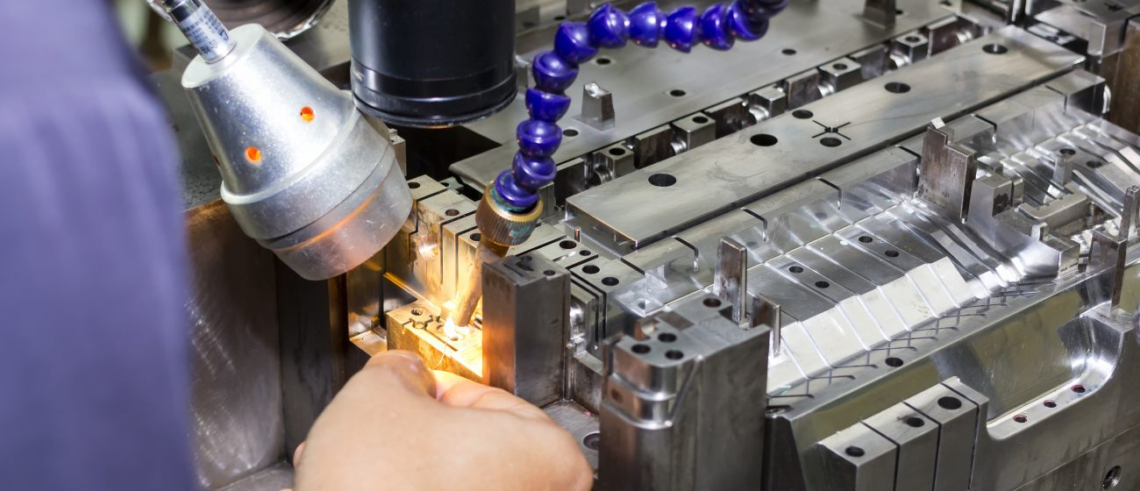
A mold repair laser welding machine is an advanced tool designed to repair damaged molds with high accuracy. It is widely used in plastic injection molding, die casting, automotive manufacturing, electronics, and precision engineering. Instead of replacing an expensive mold after damage, manufacturers can use laser welding technology to restore the damaged area and extend the mold’s working life.
Molds are valuable production assets. Even a small crack, scratch, worn edge, or damaged corner can affect product quality. Traditional welding methods may generate excessive heat and cause distortion. A laser welding system solves many of these problems by delivering concentrated energy to a very small area. This makes the repair process more precise and controlled.
What Is a Mold Repair Laser Welding Machine?
A mold repair laser welding machine uses a focused laser beam to melt welding material and repair damaged areas of a metal mold. The operator can add filler wire or welding material to rebuild worn or broken sections.
The laser creates a small heat-affected area. This allows technicians to perform detailed repairs without heating the entire mold. As a result, the risk of deformation is often reduced compared with broader, less localized welding methods.
These machines can be used on different types of molds, including injection molds, stamping dies, casting molds, and other precision tooling. Their ability to perform fine welding makes them useful for manufacturers that need accurate repairs and minimal material loss.
Why Mold Repair Is Important in Manufacturing
Molds experience continuous pressure, friction, heat, and repeated production cycles. Over time, these conditions can cause wear and damage. Common problems include cracks, scratches, erosion, broken edges, and worn surfaces.
Replacing a mold can be expensive and may also cause production delays. Repairing the damaged area can be a more practical option when the rest of the mold remains in good condition.
A mold repair laser welding machine helps businesses restore valuable tooling instead of immediately purchasing replacements. Fast and accurate repair work can reduce downtime and help maintain consistent product quality.
How Laser Welding Works for Mold Repair
Laser welding works by concentrating energy into a small target area. The laser heats the damaged section and the selected filler material. The molten material joins with the base metal and rebuilds the required surface.
After welding, the repaired area may be polished, ground, machined, or finished to match the original mold shape. The final process depends on the mold design and the required level of precision.
The operator can control important welding parameters, such as laser energy, pulse duration, frequency, and spot size. Proper settings are important because different metals and repair tasks require different levels of heat and energy.
Key Advantages of a Mold Repair Laser Welding Machine
One major advantage of laser welding is precision. The operator can target a very small damaged area without affecting large sections of the mold.
Another important benefit is reduced heat input. Traditional welding may transfer significant heat into surrounding areas. A laser can concentrate energy more precisely, which helps reduce unnecessary heating of nearby material.
Laser welding is also useful for complex mold shapes. Fine edges, corners, grooves, and small cavities can often be repaired with greater control.
Other potential advantages include:
- High repair accuracy
- Small heat-affected zones
- Reduced risk of unnecessary distortion
- Ability to repair small and detailed areas
- Support for precision manufacturing
- Lower material waste
- Extended mold service life
These benefits make laser welding technology valuable for modern toolrooms and manufacturing facilities.
Common Applications of Mold Repair Laser Welding Machines
A mold repair laser welding machine can be used across many industries. Plastic injection molding is one of the most common applications. Injection molds may develop worn edges, surface damage, or small cracks after long-term use.
The automotive industry also uses precision tooling that requires regular maintenance. Dies and molds used to manufacture vehicle components must maintain accurate dimensions. Laser welding can help restore damaged sections.
Other applications include die casting, aerospace tooling, medical component manufacturing, electronics, and precision metalworking.
Companies that produce high-value or custom molds can benefit from having reliable repair capabilities. In many cases, restoring a damaged mold is faster than manufacturing an entirely new tool.
Materials That Can Be Repaired
Different mold materials may require different laser welding settings and filler materials. Common tooling materials include various grades of steel and other metals used for industrial molds and dies.
The compatibility of a repair depends on several factors. These include the base material, hardness requirements, desired surface finish, and the type of damage.
Before starting a repair, the technician should identify the mold material and select an appropriate filler. Incorrect material selection may affect the strength, finish, or performance of the repaired area.
Proper preparation is also important. The damaged section should be cleaned before welding. Oil, rust, dirt, and other contaminants can affect the quality of the weld.
Important Features to Consider
When choosing a mold repair laser welding machine, buyers should consider the type of work they perform. A machine suitable for large industrial molds may have different requirements than a system used for small precision components.
Laser power is an important factor. Higher power may support larger or deeper repairs, while fine precision work requires careful control rather than simply maximum power.
The welding control system is also important. Adjustable parameters allow operators to optimize the process for different materials and repair conditions.
Other useful features may include:
- Adjustable laser parameters
- Microscope or visual positioning systems
- Flexible working areas
- User-friendly controls
- Stable cooling systems
- Wire feeding options
- Good accessibility for complex molds
- Reliable safety features
The best machine depends on the size, material, and repair requirements of the molds being serviced.
The Mold Repair Process Step by Step
The first step is inspecting the damaged mold. The technician identifies the type and depth of the damage. This helps determine whether laser welding is an appropriate repair method.
Next, the damaged area is cleaned and prepared. In some cases, the crack or damaged surface may require machining before welding begins.
The operator then selects suitable welding parameters and filler material. Small sections may be rebuilt layer by layer to achieve the desired shape.
After the welding process, the repaired area is allowed to cool according to the appropriate procedure. Finishing operations may then include grinding, polishing, machining, or other precision work.
Finally, the mold should be inspected to confirm that the repaired area meets the required dimensions and surface quality.
Maintenance Tips for Laser Welding Equipment
Proper maintenance can help a laser welding machine operate reliably. Operators should follow the manufacturer’s maintenance schedule and safety instructions.
Optical components and protective surfaces should be kept clean. Dust or contamination can affect laser performance. Cooling systems should also be checked regularly because stable temperature control is important for consistent operation.
Consumable components should be inspected and replaced when necessary. Electrical connections, motion systems, and safety mechanisms should also receive regular attention.
A clean working environment can help protect both the equipment and the quality of the repair work. Proper operator training is equally important for achieving consistent results.
Improving Repair Quality and Efficiency
High-quality mold repair requires more than advanced equipment. The skill of the operator plays an important role. Understanding material properties, welding parameters, and mold design can improve repair results.
Businesses should develop standard procedures for common repair tasks. Recording successful settings for specific mold materials can save time during future jobs.
Regular mold inspection can also prevent small problems from becoming major failures. Repairing minor damage early may reduce production interruptions and prevent further deterioration.
Combining skilled technicians with a reliable mold repair laser welding machine can create an efficient maintenance process for valuable manufacturing tools.
The Future of Laser Mold Repair Technology
Laser technology continues to develop as manufacturers demand greater precision and efficiency. Modern systems are becoming easier to control and may offer improved automation, monitoring, and process consistency.
Advanced software and digital controls can help operators manage welding parameters more accurately. Automation may also support repetitive repair tasks in some production environments.
As manufacturing industries continue to focus on reducing waste and extending the life of valuable equipment, precision repair technology is likely to remain important. Restoring existing molds can support more efficient use of materials and manufacturing resources.
Conclusion
A mold repair laser welding machine is a valuable solution for restoring damaged molds with precision and control. It can help manufacturers repair cracks, worn surfaces, broken edges, and other localized damage without replacing an entire mold.
The technology offers focused heat, detailed control, and the ability to work on complex tooling. However, successful results depend on proper machine settings, suitable filler materials, careful preparation, and skilled operation.
For manufacturers that rely on expensive molds and precision tooling, laser welding can become an important part of an effective maintenance strategy. By repairing molds at the right time, businesses can reduce downtime, extend tooling life, and support consistent production quality.
FAQs
1. What is a mold repair laser welding machine used for?
It is used to repair damaged molds, dies, and precision tooling. Common repairs include cracks, worn edges, scratches, and damaged surfaces.
2. Can laser welding repair small mold details?
Yes. Laser welding is especially useful for localized and detailed repair work because the energy can be focused on a small area.
3. Does laser welding reduce mold distortion?
Because laser welding can concentrate heat into a smaller area, it may reduce unnecessary heating and distortion compared with broader welding methods.
4. What materials can be repaired with laser welding?
Many metal tooling materials can be repaired, but the exact suitability depends on the mold material, filler material, and welding parameters.
5. Is operator training important?
Yes. Proper training helps the operator select suitable settings, prepare the damaged area, and achieve consistent repair quality.
6. How can a mold repair laser welding machine save money?
It can help extend the service life of valuable molds and may reduce the need for complete mold replacement when damage is localized.