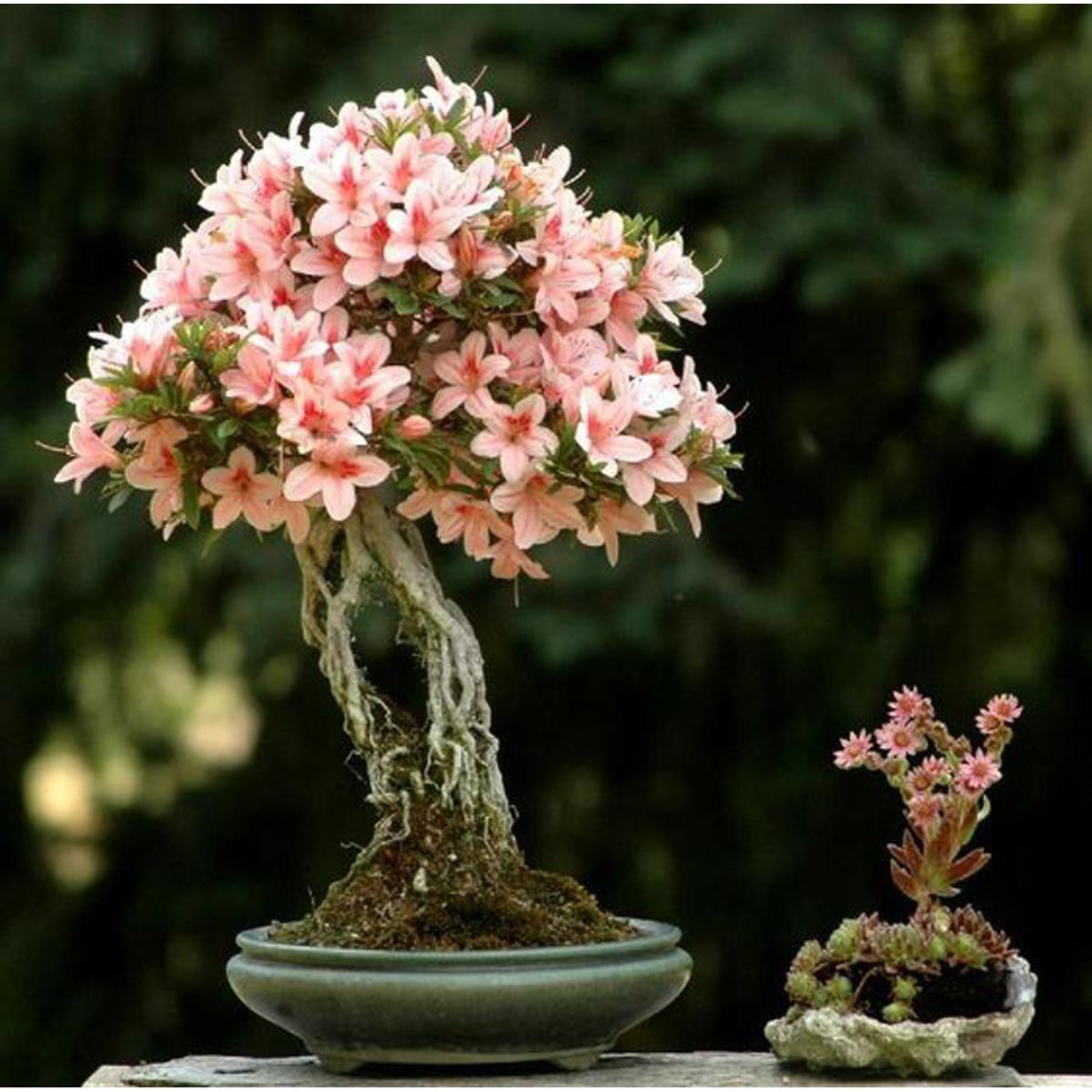
Bonsai trees are small, beautiful plants that bring nature, peace, and style into homes, offices, gardens, and other spaces. Because bonsai trees need special care, choosing the right bonsai tree suppliers is an important step for beginners, plant lovers, landscapers, and businesses. A reliable supplier can provide healthy trees, quality pots, useful growing materials, and helpful care advice.
Finding a good supplier is not only about looking for the lowest price. The quality of the tree, age, species, root health, growing conditions, and customer service all matter. Whether you want one bonsai for your home or many trees for a business project, the right supplier can make the buying process easier and more successful.
Why Choosing Good Bonsai Tree Suppliers Matters
A healthy bonsai tree usually starts with a good grower or supplier. Experienced suppliers understand how bonsai trees should be grown, shaped, watered, pruned, and transported. They can also help customers choose a species that matches their climate and level of gardening experience.
Poor-quality trees may have weak roots, damaged branches, pests, diseases, or other problems. These issues can make bonsai care difficult, especially for beginners. A trusted supplier normally pays close attention to plant health before selling trees to customers.
Good suppliers may also provide information about sunlight, watering, soil, pruning, fertilizing, and repotting. This information is valuable because bonsai trees require regular attention to remain healthy and attractive.
Types of Bonsai Trees You Can Buy
There are many types of bonsai trees available from specialist suppliers. Some species are better for indoor environments, while others grow best outdoors. Choosing the right type depends on your location, available space, weather, and gardening experience.
Popular bonsai choices include juniper, ficus, maple, pine, elm, and jade. Ficus bonsai trees are often popular with beginners because they can adapt well to indoor conditions when given suitable light and care. Juniper bonsai trees are also widely admired for their classic appearance.
When buying a bonsai, ask the supplier about the tree’s species and growing requirements. Understanding these needs before purchasing can help you select a plant that fits your home or garden.
How to Find Reliable Bonsai Tree Suppliers
The first step is to research different suppliers. Look at their websites, product descriptions, customer reviews, photographs, and information about plant care. A supplier with clear information and good communication can be easier to work with.
You can also visit local nurseries and garden centers. Seeing a bonsai tree in person allows you to check its leaves, trunk, branches, soil, and overall condition. Online suppliers can offer more variety, but you should carefully check their shipping and plant-care policies.
Recommendations from experienced gardeners can also be useful. A supplier that has consistently provided healthy plants and good customer service is often a better choice than an unknown seller offering very low prices.
What to Check Before Buying a Bonsai Tree
Before buying, inspect the general condition of the tree. Healthy leaves should normally look fresh and show no obvious signs of serious damage or disease. The trunk should be strong, and the branches should have a natural and balanced appearance.
The soil is another important point. Extremely dry, constantly wet, or poor-quality soil may indicate improper care. Also check the pot and drainage holes because good drainage is important for many bonsai species.
Ask about the tree’s age, species, growing conditions, and care requirements. If you are buying online, request clear and recent photographs when possible. You should also understand what happens if the tree arrives damaged during shipping.
Bonsai Trees for Beginners
Beginners often need a bonsai that is relatively easy to maintain. Good suppliers can recommend suitable species based on the buyer’s experience and environment. They may also provide starter kits that include a tree, pot, soil, and basic tools.
A beginner should not choose a tree only because it looks attractive. Different species have different needs for sunlight, water, temperature, pruning, and humidity. A supplier who explains these requirements can help new growers avoid common mistakes.
It is also helpful to purchase basic bonsai tools from the same supplier. Pruning scissors, wire, soil, and suitable containers can make regular care easier.
Buying Bonsai Trees Online
Online shopping makes it possible to find bonsai trees from suppliers outside your local area. This can be useful when you are looking for a particular species, size, or style that is not available nearby.
However, shipping live plants requires careful packaging. Look for suppliers that explain how they protect plants during transportation. The tree should be packaged in a way that reduces movement and protects branches, leaves, soil, and the pot.
Before ordering, check delivery times, shipping costs, return policies, and plant guarantees. It is also important to understand whether the supplier can legally ship certain plants to your location.
Comparing Prices and Quality
Bonsai prices can vary greatly. A small young tree may be affordable, while an older, carefully trained bonsai can cost much more. The price often depends on the species, age, size, trunk quality, training, pot, and overall appearance.
The cheapest option is not always the best option. A healthy tree from a trusted supplier may provide better value than a low-cost tree that arrives damaged or unhealthy. Compare several suppliers and look at both price and quality.
For businesses, buying several trees may allow suppliers to offer wholesale pricing. Restaurants, hotels, offices, garden designers, and landscaping companies may benefit from discussing bulk orders directly with suppliers.
Questions to Ask Bonsai Tree Suppliers
Asking a few simple questions can help you make a better purchase. You can ask where the tree was grown, how old it is, what species it belongs to, and what care it needs.
For online purchases, ask about packaging and shipping. You can also ask whether the supplier provides a plant guarantee or replacement policy for trees that arrive damaged.
Useful questions include:
- What bonsai species is best for my climate?
- How much sunlight does the tree need?
- How often should I water it?
- What type of soil should I use?
- How large is the tree?
- How will the tree be packaged for delivery?
- Do you provide care instructions?
Benefits of Buying From Specialist Suppliers
Specialist bonsai suppliers often have deeper knowledge than general plant sellers. They understand bonsai training techniques and can offer advice about pruning, wiring, repotting, and long-term care.
Specialist suppliers may also have a wider selection of trees, pots, tools, soil mixes, and fertilizers. This allows customers to find many of the products they need in one place.
For collectors, specialist suppliers can be especially useful because they may offer unusual species, mature trees, and carefully trained bonsai. Their experience can also help buyers understand the differences between various trees.
How to Care for a Bonsai After Buying
Buying a healthy bonsai is only the beginning. After bringing the tree home, give it time to adjust to its new environment. Follow the supplier’s instructions about light, water, temperature, and placement.
Avoid changing everything at once. Sudden changes in sunlight, temperature, or watering can stress a bonsai. Check the soil regularly and provide water when the tree needs it rather than following a fixed schedule without considering its conditions.
Regular pruning and feeding may also be necessary depending on the species and season. With proper care, a bonsai can remain attractive for many years.
Conclusion
Choosing reliable bonsai tree suppliers can make a big difference in the health and beauty of your bonsai. A good supplier provides healthy plants, accurate information, suitable products, and dependable customer service. Whether you are a beginner, collector, homeowner, or business owner, take time to compare suppliers before making a purchase.
Look beyond price and consider plant health, species selection, shipping methods, customer reviews, and after-sales support. With the right supplier and proper care, a bonsai tree can become a beautiful and rewarding part of your home, office, or garden for many years.