A bonsai plant supplier is the ideal partner for anyone looking to buy healthy, high-quality bonsai trees. Whether you are a beginner exploring the art of bonsai or an experienced collector searching for rare species, choosing the right supplier makes all the difference. A professional bonsai plant supplier provides carefully nurtured trees, expert guidance, and essential accessories to help your bonsai thrive for years.
Bonsai trees are more than decorative plants. They are living works of art that require patience, care, and proper maintenance. By purchasing from a reputable bonsai plant supplier, you can ensure your bonsai is healthy, well-shaped, and suited to your growing environment. This guide covers everything you need to know about bonsai suppliers, tree varieties, care tips, and how to choose the best supplier for your needs.
What Is a Bonsai Plant Supplier?
A bonsai plant supplier specializes in growing, sourcing, and selling bonsai trees and related products. Unlike standard nurseries, these suppliers focus specifically on bonsai cultivation and understand the unique requirements of different species.
Most bonsai suppliers offer:
- Indoor bonsai trees
- Outdoor bonsai trees
- Flowering bonsai varieties
- Fruiting bonsai plants
- Rare and collectible bonsai
- Bonsai pots
- Bonsai soil mixes
- Fertilizers
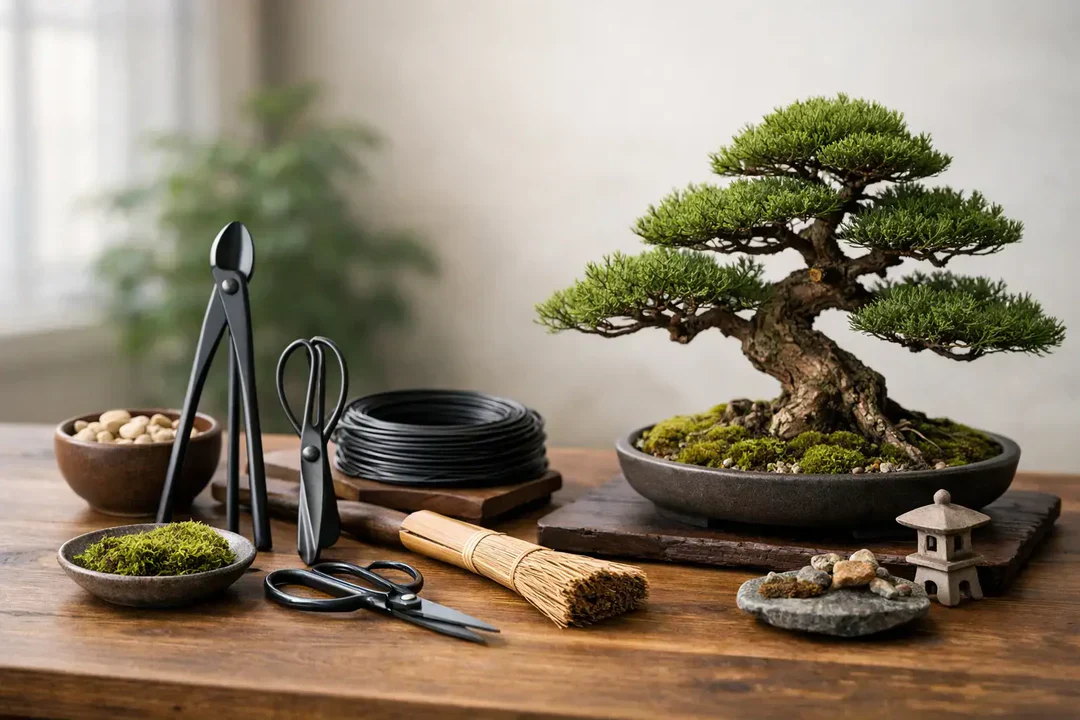
- Pruning tools
- Decorative accessories
Many also provide expert advice on watering, pruning, repotting, and styling.
Why Choose a Professional Bonsai Plant Supplier?
Purchasing from an experienced bonsai plant supplier offers several important advantages.
Healthy and Well-Maintained Trees
Professional suppliers carefully monitor every bonsai for proper growth, healthy roots, and disease prevention. This ensures customers receive vigorous plants ready to thrive.
Expert Knowledge
Specialized suppliers understand the care requirements of different bonsai species and can recommend the best options based on your experience level and climate.
Wide Product Selection
A dedicated bonsai supplier often stocks many species, sizes, and styles that are difficult to find at regular garden centers.
Long-Term Support
Many suppliers continue to provide growing advice after purchase, helping customers maintain healthy bonsai for years.
Reliable Quality
Professional suppliers take pride in delivering well-trained trees with balanced branch structures and attractive shapes.
Popular Types of Bonsai Trees
A reputable bonsai plant supplier usually offers a diverse selection of bonsai species.
Ficus Bonsai
Ficus bonsai is one of the easiest varieties to grow indoors. It tolerates lower humidity and is ideal for beginners.
Juniper Bonsai
Juniper bonsai is popular for its elegant evergreen foliage and traditional bonsai appearance. It grows best outdoors.
Chinese Elm Bonsai
Known for its graceful branches and small leaves, Chinese Elm adapts well to various growing conditions.
Japanese Maple Bonsai
This stunning bonsai produces colorful foliage throughout the seasons and is highly valued by collectors.
Jade Bonsai
Jade bonsai is drought-tolerant and requires minimal maintenance, making it perfect for beginners.
Pine Bonsai
Pine bonsai symbolizes traditional Japanese bonsai culture and rewards experienced growers with impressive long-term beauty.
Benefits of Growing Bonsai Plants
Buying from a trusted bonsai plant supplier allows you to enjoy many personal and environmental benefits.
Enhances Interior Spaces
Bonsai trees bring elegance and natural beauty to homes, offices, hotels, and reception areas.
Encourages Relaxation
Caring for bonsai promotes mindfulness, patience, and stress relief.
Improves Air Quality
Many indoor bonsai species contribute to healthier indoor environments by supporting natural air purification.
Educational Hobby
Growing bonsai teaches valuable skills in plant care, pruning, and artistic design.
Long Lifespan
With proper maintenance, many bonsai trees can live for decades and even become family heirlooms.
How to Choose the Best Bonsai Plant Supplier
Finding the right bonsai plant supplier requires careful evaluation.
Check Experience
Choose suppliers with years of experience in bonsai cultivation.
Inspect Plant Health
Healthy bonsai should have vibrant foliage, strong roots, and no signs of pests or diseases.
Read Customer Reviews
Positive customer feedback indicates consistent product quality and reliable service.
Evaluate Product Range
A diverse inventory allows you to select the ideal species for your needs.
Look for Care Support
Suppliers that provide maintenance guides and expert advice offer greater long-term value.
Compare Prices
Focus on overall quality rather than simply choosing the lowest price.
Indoor and Outdoor Bonsai Options
Different bonsai species thrive in different environments.
Indoor Bonsai
Indoor bonsai generally require:
- Bright indirect sunlight
- Moderate humidity
- Stable temperatures
- Proper watering
- Good air circulation
Popular indoor species include:
- Ficus
- Jade
- Fukien Tea
- Hawaiian Umbrella
Outdoor Bonsai
Outdoor bonsai benefit from natural weather conditions and seasonal changes.
Popular outdoor species include:
- Juniper
- Japanese Maple
- Pine
- Chinese Elm
- Spruce
A knowledgeable bonsai plant supplier can recommend the best species based on your local climate.
Essential Bonsai Care Tips
Proper care helps your bonsai remain healthy and beautiful.
Water Correctly
Water thoroughly whenever the soil begins to dry, but avoid keeping the soil constantly wet.
Provide Adequate Sunlight
Different species require different light levels. Always follow care instructions for your specific tree.
Fertilize During the Growing Season
Regular feeding promotes healthy leaves, branches, and root development.
Prune Regularly
Pruning maintains the miniature appearance while encouraging dense foliage.
Repot When Necessary
Young bonsai typically require repotting every two years, while mature trees need less frequent repotting.
Monitor Plant Health
Regularly inspect your bonsai for pests, diseases, or nutrient deficiencies.
Bonsai Accessories Available from Suppliers
A professional bonsai plant supplier usually stocks everything required for successful bonsai care.
Bonsai Pots
Available in various materials, colors, and traditional designs.
Bonsai Soil
Specialized soil mixtures improve drainage and root health.
Pruning Tools
Precision scissors and cutters help maintain the desired tree shape.
Bonsai Wire
Training wire allows careful shaping of branches without damaging the tree.
Fertilizers
Balanced nutrients encourage vigorous growth throughout the growing season.
Humidity Trays
Humidity trays help maintain moisture around indoor bonsai.
Commercial Uses of Bonsai Trees
Businesses often purchase bonsai from trusted suppliers for decorative purposes.
Hotels
Elegant bonsai displays create a welcoming atmosphere in reception areas.
Offices
Bonsai trees improve workplace aesthetics and create calming environments.
Restaurants
Many restaurants use bonsai to enhance their interior design.
Retail Stores
Small bonsai displays attract customers and add natural beauty to shopping spaces.
Event Decoration
Bonsai trees make attractive centerpieces for weddings, exhibitions, and corporate events.
Why Plant Quality Matters
The quality of your bonsai directly affects its health and longevity.
A premium bonsai from a reputable bonsai plant supplier typically features:
- Strong root development
- Healthy leaves
- Balanced branch structure
- Proper trunk thickness
- Disease-free growth
- Attractive styling
Investing in a healthy bonsai reduces future maintenance challenges and increases long-term success.
Tips for Buying Bonsai Online
Many bonsai enthusiasts now purchase trees online. Follow these tips before placing an order.
- Buy from experienced bonsai specialists.
- Read customer reviews carefully.
- Check shipping and packaging methods.
- Confirm plant size and age.
- Review return policies.
- Request care instructions if needed.
A trusted online bonsai plant supplier will carefully package each tree to ensure it arrives in excellent condition.
Frequently Asked Questions
Which bonsai tree is easiest for beginners?
Ficus and Jade bonsai are excellent beginner-friendly choices due to their resilience and simple care requirements.
How often should I water my bonsai?
Water when the soil begins to dry. The exact schedule depends on the species, climate, and pot size.
Can bonsai trees grow indoors?
Yes. Many species, including Ficus and Jade, thrive indoors with proper lighting and care.
How long do bonsai trees live?
With proper maintenance, bonsai trees can live for several decades, and some have survived for centuries.
Why should I buy from a specialized bonsai plant supplier?
Specialized suppliers offer healthier trees, expert guidance, better variety, and higher-quality accessories than general nurseries.
What accessories do I need for bonsai care?
Basic essentials include bonsai soil, a suitable pot, pruning scissors, fertilizer, and watering tools.
Conclusion
Choosing the right bonsai plant supplier is essential for building a successful bonsai collection. Professional suppliers provide healthy trees, expert advice, premium accessories, and reliable customer support that help both beginners and experienced growers enjoy this rewarding hobby. Whether you are decorating your home, enhancing an office, or expanding a personal collection, purchasing from a trusted bonsai plant supplier ensures you receive quality plants that can flourish for years. With proper care, regular maintenance, and guidance from experienced professionals, your bonsai will become a lasting symbol of beauty, patience, and craftsmanship.