In recent years, robotic cleaners have transitioned from being standalone gadgets to becoming strategic elements within connected home ecosystems. The evolution of household automation has reshaped how people interact with everyday devices, and robotic vacuums and mops are now central to that change. Rather than simply vacuuming or mopping floors on their own schedule, modern robot cleaners are designed to communicate with other smart devices, participate in automated routines, and contribute to a broader sense of coordinated domestic intelligence.
One of the key trends enabling this shift is the move toward open connectivity standards like Matter, which aim to unify smart home devices under a common language. Matter makes it possible for devices from different manufacturers to interact seamlessly, removing barriers that once forced homeowners to juggle multiple apps or proprietary platforms. When a robot vacuum is Matter-compatible, it can work with voice assistants, hubs, and other connected products without being locked into a single ecosystem, offering more flexibility and reliability in smart home performance.
At the heart of this integration is interoperability—the ability for robotic cleaners to respond to triggers, routines, and conditions defined across your connected environment. For example, a robot vacuum can be programmed to start cleaning when you leave the house, pause when motion is detected, or even engage cleaning cycles after other devices signal specific conditions. By tying into presence sensors, smart locks, and smart lighting, robotic cleaners can operate with less manual intervention. This integration allows these devices to become active participants in your daily routines rather than isolated machines that require direct input.
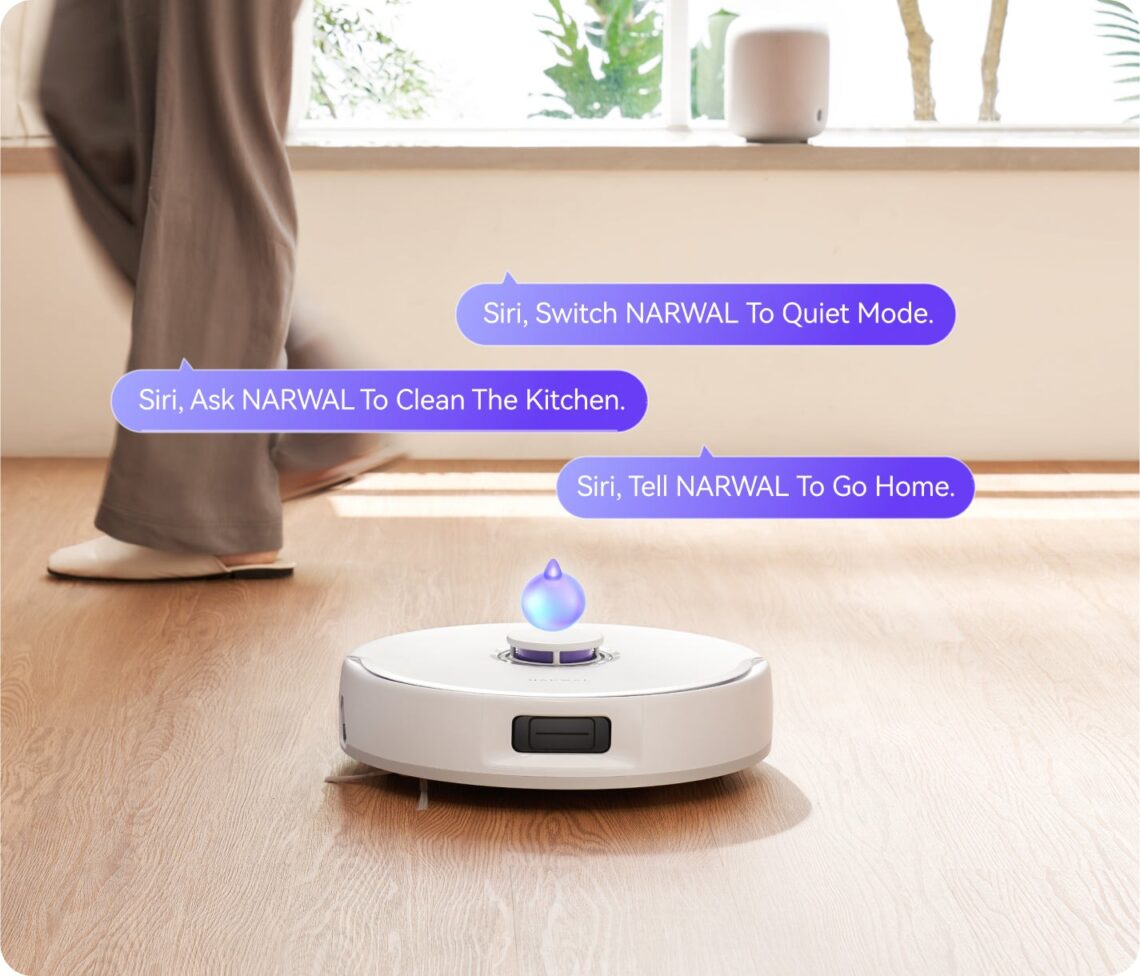
Voice control enhances this experience significantly. When a robot cleaner is connected to a voice assistant like Amazon Alexa, Google Assistant, or Apple HomeKit, it becomes possible to initiate cleaning, adjust settings, or query status simply by speaking a command. This hands‑free capability aligns with the broader goal of smart home automation: to reduce friction and make ordinary tasks convenient. Whether commanding your cleaner to refresh the living room after a meal or scheduling a whole‑home clean while getting ready in the morning, voice control helps bridge user intent with robotic action smoothly.
Another dimension of connected ecosystems is automation driven by sensors and data. Smart homes often include environmental sensors that monitor air quality, humidity, occupancy, and more. When a robot vacuum is integrated with these systems, it can use shared insights to optimize its operation. For instance, a cleaning device might delay a wet‑mop cycle if humidity is high, or coordinate with an air purifier after vacuuming to help minimize airborne dust. Robots become informed by their environment rather than cleaning blindly, extending their usefulness beyond basic scheduled tasks.
The role of smartphone apps and remote management cannot be underestimated. Apps allow homeowners to track cleaning progress, adjust schedules, set virtual boundaries, and receive maintenance alerts. This means you can manage your robot cleaner whether you’re sitting on the couch or halfway around the world. Real‑time feedback and remote control capabilities transform robotic cleaners into continuously connected endpoints within a smart home, enhancing both convenience and control.
As more homes adopt connected devices, coordinated behaviors among smart products become increasingly common. Robotic cleaners can be part of complex routines that reflect lifestyle patterns, such as initiating cleaning when sensors detect that everyone has left, or integrating with HVAC systems to maintain indoor comfort seamlessly. When devices work together in this fashion, they contribute to a living environment that feels responsive rather than reactive, making technology feel more intuitive and less fragmented.
With these integrations, robotic cleaners are also advancing in terms of autonomy and intelligence. Today’s models use sophisticated navigation systems powered by LiDAR, cameras, and AI to map homes, plan efficient routes, and avoid obstacles intelligently. These capabilities, once separate from connectivity, are now integral to how robots function as part of a larger smart network. When a robot understands the layout of a home and can recall zones or no‑go areas, it not only cleans more effectively but also adapts to the presence of other devices and changing household patterns.
In addition to performance and convenience, connected robotic cleaners support hands‑off maintenance that aligns with the ethos of smart living. Self‑emptying bases, automatic mop‑washing stations, and maintenance alerts through apps reduce the need for manual intervention. When linked with smart home routines, these devices can even remind you of service tasks or integrate with calendars to ensure maintenance is performed at convenient times. This reduces friction and reinforces the value of keeping your home environment clean and healthy.
The future of connected homes suggests even deeper integration. As artificial intelligence and IoT platforms evolve, robotic cleaners are likely to become adaptive agents—sensing conditions, predicting needs, and initiating actions without direct commands. Imagine a system where a robot automatically responds to elevated dust sensors, adjusts cleaning modes based on occupancy patterns, or even collaborates with other robots to manage different zones of a large home. The emphasis is shifting from devices that wait for a schedule to devices that understand context and act proactively.
Ultimately, the value of robotic cleaners in connected home ecosystems is defined by how well they enhance comfort, efficiency, and user experience. When these devices are woven into the fabric of everyday life, they reduce mundane chores and elevate the quality of living spaces. Connectivity enables a level of automation and responsiveness that turns routine cleaning into a seamless background service that just works—supporting everything from voice commands and automation routines to adaptive responses based on real‑time conditions.
For those configuring a smart home, options like Narwal illustrate how modern robotic cleaners can integrate advanced cleaning autonomy with broader ecosystem participation, offering intelligent performance that aligns with connected homes and dynamic lifestyles. As technology evolves, robotic cleaners will continue to serve as vital components of homes that think, act, and respond holistically.