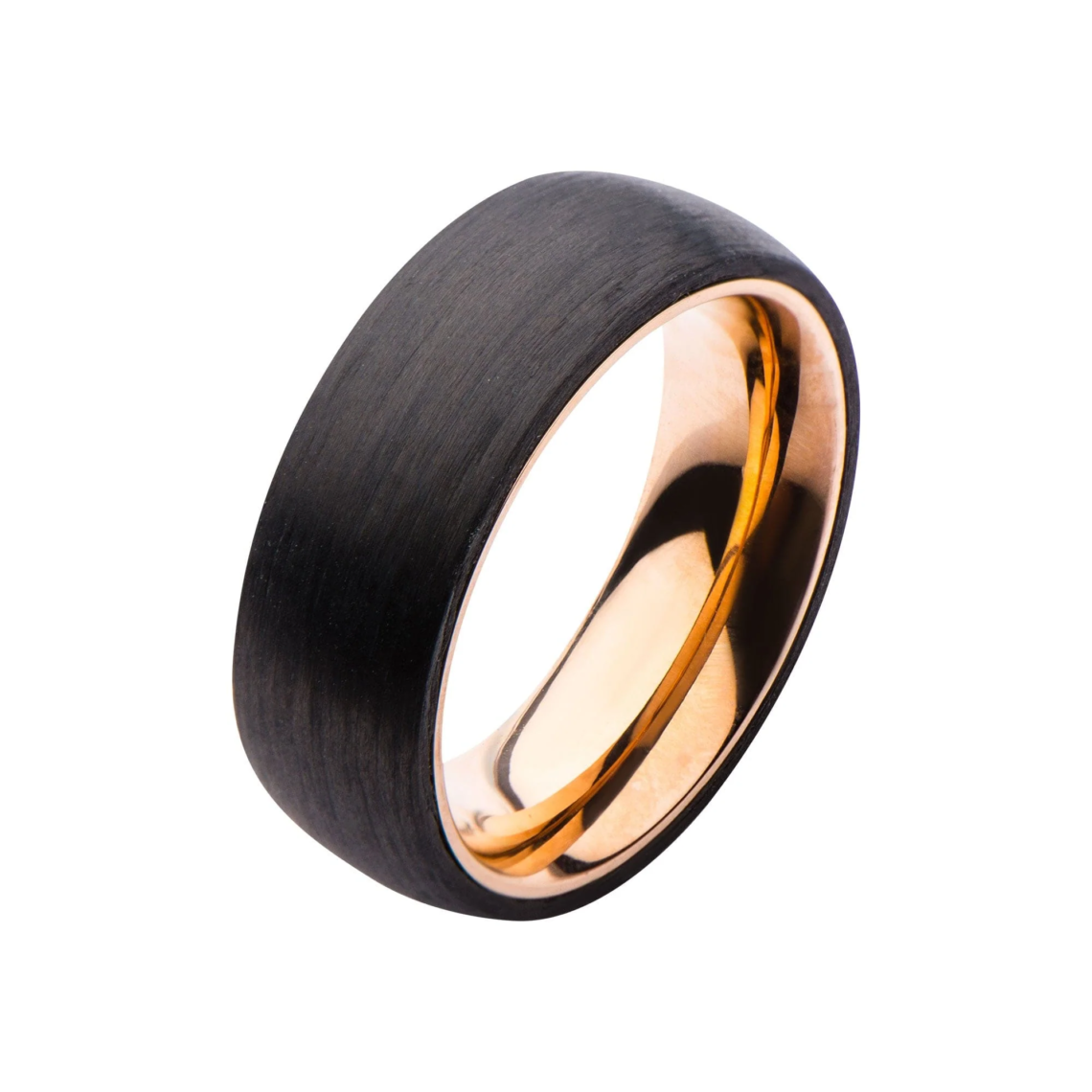
Graphite rings are important industrial components used in many machines and equipment systems. They are valued for their excellent heat resistance, low friction, chemical stability, and long service life. These rings are commonly found in pumps, valves, compressors, mechanical seals, furnaces, and other industrial applications.
Graphite is a unique material because it can perform well in environments where many metals, plastics, and rubber materials may fail. High temperatures, aggressive chemicals, and continuous friction can damage ordinary materials. However, graphite rings can maintain reliable performance under demanding operating conditions.
Industries such as chemical processing, oil and gas, power generation, manufacturing, automotive production, and aerospace use graphite-based components for different purposes. Selecting the right ring depends on factors such as temperature, pressure, chemical exposure, shaft speed, and equipment design.
This article explains the main types, benefits, applications, and selection factors of graphite rings.
What Are Graphite Rings?
Graphite rings are circular components manufactured from natural graphite, synthetic graphite, expanded graphite, or specialized graphite composites. They can be designed in different sizes, densities, and shapes depending on the equipment where they will be used.
One of the main characteristics of graphite is its layered crystal structure. This structure contributes to its natural lubricating properties. As a result, graphite rings can reduce friction between moving surfaces in many mechanical applications.
Some graphite rings are used as sealing components. They help prevent gases, liquids, steam, or chemicals from leaking from industrial equipment. Other rings are used as bearings, wear components, electrical parts, or thermal components.
Manufacturers can also machine graphite into custom dimensions. This flexibility makes graphite rings suitable for specialized industrial systems where standard parts may not provide the required performance.
Main Types of Graphite Rings
Different types of graphite rings are available for specific industrial requirements. The material and design can significantly affect performance.
Expanded Graphite Rings
Expanded graphite rings are often used for sealing applications. They can provide strong sealing performance while remaining flexible enough to adapt to surface irregularities.
These rings are commonly used in valves, pumps, flanges, and high-temperature equipment. Expanded graphite also performs well when exposed to steam and many industrial chemicals.
Carbon Graphite Rings
Carbon graphite rings are produced using carbon and graphite materials. They can offer good mechanical strength and wear resistance.
These components are frequently used in pumps, compressors, mechanical seals, and rotating machinery. Carbon graphite can also be modified with resins, metals, or other materials to improve specific properties.
Pure Graphite Rings
Pure graphite rings are suitable for applications requiring high thermal resistance and chemical stability. They are commonly selected for environments involving extreme temperatures.
Because graphite can maintain its structure at very high temperatures under suitable conditions, these rings are useful in furnaces and thermal processing equipment.
Impregnated Graphite Rings
Impregnated graphite rings contain additional materials such as resin, metal, or other substances. The impregnation process can improve strength, reduce porosity, or provide better resistance to certain fluids.
The correct material depends on the specific operating environment and equipment requirements.
Key Benefits of Graphite Rings
Graphite rings provide several important advantages compared with many traditional materials.
Excellent Heat Resistance
One of the biggest benefits of graphite is its ability to perform in high-temperature environments. Many industrial systems operate under intense heat, especially furnaces, reactors, turbines, and processing equipment.
Graphite rings can remain effective where some polymer-based materials may soften or degrade.
Low Friction Properties
Graphite has natural self-lubricating characteristics. This helps reduce friction between surfaces and can decrease wear on moving components.
Lower friction may also improve equipment efficiency and reduce the need for additional lubrication in certain applications.
Strong Chemical Resistance
Industrial equipment often handles acids, solvents, gases, steam, and other aggressive substances. Graphite can provide good chemical resistance in many environments.
However, chemical compatibility should always be checked before selecting a material. Different graphite grades and impregnations may perform differently when exposed to specific chemicals.
Reliable Sealing Performance
Graphite rings are widely used in sealing systems because they can conform to contact surfaces. This helps create an effective barrier against leakage.
Reliable sealing is important for improving workplace safety, reducing material loss, and protecting expensive industrial equipment.
Long Service Life
When the correct graphite grade is selected, graphite rings can offer excellent durability. Their resistance to heat, friction, and many chemicals can help reduce maintenance requirements.
A longer component lifespan can also lower replacement costs and minimize equipment downtime.
Common Applications of Graphite Rings
Graphite rings are used across a wide range of industries. Their properties make them suitable for both stationary and rotating equipment.
Pumps and Mechanical Seals
Pumps often operate under pressure and may handle corrosive or high-temperature fluids. Graphite rings can be used as sealing faces, bearings, and wear components.
Their low friction properties make them particularly useful in mechanical seal systems.
Valves
Valve systems require reliable sealing to control the flow of liquids, gases, and steam. Graphite rings are commonly used in valve packing and sealing assemblies.
They can perform well in high-temperature and high-pressure applications.
Compressors
Compressors use various components that experience friction and continuous movement. Carbon graphite and graphite rings can be used in sealing and wear applications.
Their self-lubricating properties can be valuable where conventional lubrication is difficult or undesirable.
Chemical Processing Equipment
Chemical plants often operate with corrosive materials and extreme temperatures. Graphite components are commonly used because of their stability in many chemical environments.
Graphite rings can help improve the reliability of pumps, valves, reactors, and other processing equipment.
Power Generation
Power plants use equipment that operates under demanding thermal and pressure conditions. Graphite sealing rings can be used in systems involving steam and high temperatures.
Reliable components are essential because unexpected failures can cause expensive shutdowns.
How to Choose the Right Graphite Rings
Choosing the correct graphite rings requires careful consideration. A ring that performs well in one application may not be suitable for another.
First, consider the operating temperature. High-temperature applications may require a specific graphite grade or design.
Second, evaluate the pressure conditions. High-pressure systems may need rings with greater density or specialized construction.
Third, check chemical compatibility. The process fluid or gas can affect the material over time.
Shaft speed and friction are also important for rotating equipment. A pump or compressor operating at high speed may require a specially engineered carbon graphite material.
Finally, accurate dimensions are essential. Even a high-quality ring may fail if the size or tolerance is incorrect.
Custom Graphite Rings for Specialized Equipment
Many industrial applications require custom graphite rings rather than standard components. Custom manufacturing allows companies to select the exact diameter, thickness, material grade, density, and design.
Custom components can also include grooves, holes, slots, chamfers, or other engineered features.
Working with an experienced manufacturer can help ensure that the final product matches the operating requirements. Technical drawings and application details are often useful during the manufacturing process.
A properly designed custom ring can improve sealing performance, reduce wear, and extend equipment life.
Maintenance and Handling of Graphite Rings
Although graphite is highly durable, proper handling is still important. Graphite can be brittle, especially when compared with metals. Components should be protected from impacts during transportation and installation.
The installation surface should also be clean and free from damage. Improper installation can create uneven pressure and reduce the effectiveness of the ring.
Regular equipment inspections can help identify wear before a complete failure occurs. Monitoring temperature, pressure, vibration, and leakage can also provide useful information about component performance.
Following the manufacturer’s installation and maintenance recommendations can help maximize the service life of graphite rings.
Why Quality Matters When Buying Graphite Rings
The quality of graphite rings can directly affect equipment reliability. Poor-quality materials may contain inconsistent density, excessive porosity, or manufacturing defects.
High-quality rings are manufactured with controlled material properties and precise dimensions. This is particularly important for mechanical seals and other applications where small dimensional differences can affect performance.
When selecting a supplier, buyers should consider manufacturing experience, material options, machining capabilities, quality control, and the ability to produce custom components.
A reliable supplier should also understand the operating conditions and recommend an appropriate material for the application.
Future Demand for Graphite Rings
The demand for advanced industrial materials continues to grow as equipment becomes more efficient and operates under increasingly demanding conditions. Graphite remains an important material because of its thermal stability, chemical resistance, and low-friction properties.
New manufacturing technologies are also making it easier to produce precision graphite components for specialized industries.
As industries focus on reducing downtime, improving energy efficiency, and extending equipment life, graphite rings will likely remain an important solution for sealing, wear resistance, and high-temperature applications.
Frequently Asked Questions
What are graphite rings used for?
Graphite rings are used for sealing, reducing friction, resisting wear, and handling high temperatures. Common applications include pumps, valves, compressors, mechanical seals, and industrial processing equipment.
Can graphite rings handle high temperatures?
Yes. Graphite is known for excellent thermal resistance. However, the maximum operating temperature depends on the graphite grade and the surrounding environment.
Are graphite rings chemically resistant?
Graphite offers good resistance to many chemicals. However, compatibility should always be checked based on the specific chemical and operating conditions.
Are graphite rings self-lubricating?
Graphite has natural lubricating properties. This can help reduce friction and wear in moving industrial components.
Can graphite rings be customized?
Yes. Manufacturers can produce graphite rings in custom sizes, shapes, densities, and material grades. Special features can also be machined based on technical drawings.
How do I select the right graphite ring?
Consider temperature, pressure, chemical exposure, equipment type, shaft speed, dimensions, and sealing requirements. Consulting an experienced manufacturer can help you choose the correct material and design.
Conclusion
Graphite rings are versatile industrial components with valuable properties, including high-temperature resistance, low friction, chemical stability, and reliable sealing performance. They are used in pumps, valves, compressors, mechanical seals, chemical processing systems, and many other applications.
Selecting the right graphite ring requires understanding the operating environment and equipment requirements. Factors such as temperature, pressure, chemical exposure, and dimensional accuracy should always be considered.
Whether you need standard or custom graphite rings, choosing a high-quality material and an experienced manufacturer can improve equipment reliability, reduce maintenance costs, and support long-term industrial performance. As modern industries continue to demand durable and efficient materials, graphite rings will remain an essential solution for challenging operating environments.