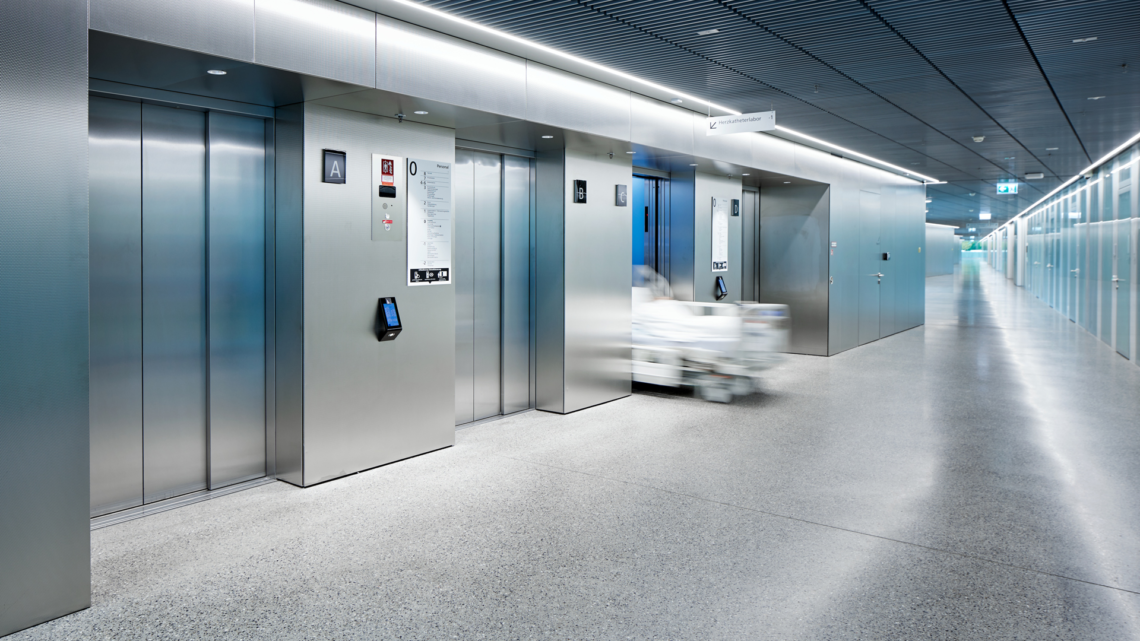
A hospital elevator is an essential part of modern healthcare infrastructure. Hospitals are large, multi-level facilities where patients, doctors, nurses, visitors, medical equipment, and supplies need to move quickly and safely between floors. Unlike ordinary passenger elevators, hospital elevators are designed with the special requirements of healthcare environments in mind. They provide reliable transportation while supporting emergency services, infection control, accessibility, and the movement of beds and medical equipment.
From emergency departments and operating rooms to patient wards and diagnostic areas, elevators play an important role in maintaining smooth hospital operations. A well-designed hospital elevator can improve efficiency, reduce delays, and provide a safer experience for patients and staff.
What Is a Hospital Elevator?
A hospital elevator is an elevator specifically designed for use in healthcare facilities. It typically provides a larger cabin than a standard passenger elevator so that it can accommodate hospital beds, wheelchairs, medical equipment, healthcare workers, and visitors.
Hospital elevators are built to handle frequent use and heavy loads. Their design often focuses on durability, smooth movement, accessibility, hygiene, and dependable operation. Depending on the hospital’s layout and requirements, different elevators may be assigned to patients, visitors, staff, or emergency and service operations.
Importance of Hospital Elevators
Hospitals depend on fast and organized transportation. Patients may need to move from emergency rooms to operating theaters, intensive care units, diagnostic departments, or patient rooms. Medical staff also need efficient access to different areas of the building.
A hospital elevator helps reduce unnecessary movement through stairways and corridors. It also allows patients who cannot walk or stand to travel comfortably while remaining on a hospital bed or wheelchair.
In emergency situations, reliable elevator operation can become especially important. Doctors and medical teams may need to transport patients and equipment between floors without unnecessary delays.
Key Features of Hospital Elevators
Hospital elevators include several features that distinguish them from ordinary elevators. One important feature is a spacious cabin. The additional space allows a hospital bed and accompanying medical staff to enter and exit more easily.
Smooth acceleration and deceleration are also important. Sudden movements can be uncomfortable or potentially unsafe for patients, particularly those who are injured or receiving medical treatment.
Many hospital elevators include durable flooring, easy-to-clean surfaces, protective wall panels, and strong doors. These features help the elevator withstand constant use while supporting hospital cleaning and maintenance procedures.
Accessible controls are another important feature. Buttons should be positioned at practical heights and clearly identified so that patients, visitors, and staff can operate the elevator easily.
Hospital Elevator Safety
Safety is one of the most important considerations when selecting and operating a hospital elevator. Elevators in healthcare facilities may carry vulnerable patients, heavy equipment, and large numbers of people every day.
Safety systems can include emergency communication devices, door sensors, overload protection, backup systems, alarms, and controlled access. Regular inspections and professional maintenance are necessary to ensure that these systems continue to function correctly.
Hospitals should also have procedures for elevator emergencies. Staff should know how to respond if an elevator stops unexpectedly, especially when a patient is inside. Preventive maintenance can reduce the likelihood of unexpected breakdowns and help keep elevator services dependable.
Types of Hospital Elevators
Hospitals may use several types of elevators depending on the building’s requirements. Passenger elevators are generally designed for visitors, employees, and ambulatory patients.
Bed elevators are larger and specifically designed to transport patients in hospital beds. They provide enough room for the bed, healthcare professionals, and necessary equipment.
Service elevators may be used to transport supplies, cleaning equipment, laundry, food, and other materials. Separating service transportation from patient transportation can help improve hospital organization.
Some healthcare facilities also use dedicated emergency or fire-service elevators. These systems can provide controlled access for emergency personnel when required by building design and applicable regulations.
Hospital Elevator Design and Accessibility
Accessibility is an essential part of hospital elevator design. Healthcare facilities serve people with different mobility levels, including wheelchair users, elderly patients, injured individuals, and people recovering from surgery.
Elevator entrances should provide adequate space for wheelchairs and hospital beds. Controls should be easy to reach and identify. Visual and audible indicators can also help people understand when an elevator has arrived and which floor it is serving.
A thoughtful design can make transportation less stressful for patients and easier for medical staff. Accessibility should be considered from the earliest stages of hospital planning rather than added as an afterthought.
Hygiene and Infection Control
Hospitals require high standards of cleanliness, and elevator surfaces can receive frequent contact from patients, staff, and visitors. For this reason, hospital elevators should use materials that can be cleaned and maintained effectively.
Smooth surfaces, durable wall protection, and appropriate flooring can make regular cleaning easier. Hospitals may establish cleaning schedules based on traffic levels and infection-control policies.
Good hygiene practices are particularly important when elevators are used to transport patients between treatment areas. Cleaning procedures should follow the healthcare facility’s established infection-prevention guidelines.
Choosing the Right Hospital Elevator
Selecting a hospital elevator requires careful consideration of the facility’s size, patient capacity, building layout, and transportation requirements. Hospitals should evaluate the expected number of users, average load, bed dimensions, equipment requirements, and frequency of operation.
Reliability should be a major priority because elevator downtime can affect hospital workflow. The elevator manufacturer and installation provider should also have appropriate technical experience and provide dependable maintenance support.
Energy efficiency can be another consideration. Modern elevator systems may incorporate efficient motors, lighting, controls, and standby features that can reduce energy consumption over time.
Maintenance of Hospital Elevators
Regular maintenance is essential for hospital elevator performance. Because these elevators may operate continuously throughout the day, components can experience significant wear.
Maintenance programs can include inspections of doors, cables, motors, control systems, safety equipment, buttons, lighting, and communication systems. Any unusual noise, vibration, delayed door operation, or other problem should be investigated promptly by qualified professionals.
Hospitals should maintain service records and follow applicable inspection requirements. Preventive maintenance can help identify problems before they develop into serious failures.
Benefits of Modern Hospital Elevators
Modern hospital elevators can provide several operational benefits. Faster and smoother transportation can help staff move patients and equipment efficiently. Larger cabins can improve comfort and reduce difficulties when transporting hospital beds.
Advanced control systems may also help manage elevator traffic in busy healthcare facilities. Better traffic management can reduce waiting times and improve movement between frequently used floors.
Reliable elevators can contribute to overall hospital efficiency by connecting important departments and supporting continuous patient care.
Future of Hospital Elevator Technology
Hospital elevator technology continues to develop as healthcare facilities become more advanced. Future systems may focus on improved energy efficiency, intelligent traffic management, touchless controls, enhanced monitoring, and stronger integration with building management systems.
Smart elevator technology may help facility managers monitor performance and identify maintenance requirements before failures occur. Touchless and antimicrobial-oriented design approaches may also receive greater attention as hospitals continue to prioritize hygiene.
Conclusion
A hospital elevator is much more than a basic transportation system. It is an important component of healthcare infrastructure that supports patients, medical professionals, visitors, and hospital operations. Its large capacity, accessibility, safety systems, durable construction, and reliable performance make it suitable for demanding healthcare environments.
Choosing the right hospital elevator requires attention to safety, capacity, accessibility, hygiene, energy efficiency, and long-term maintenance. With proper planning and professional servicing, hospital elevators can provide dependable transportation and contribute significantly to a safer, more efficient healthcare facility.