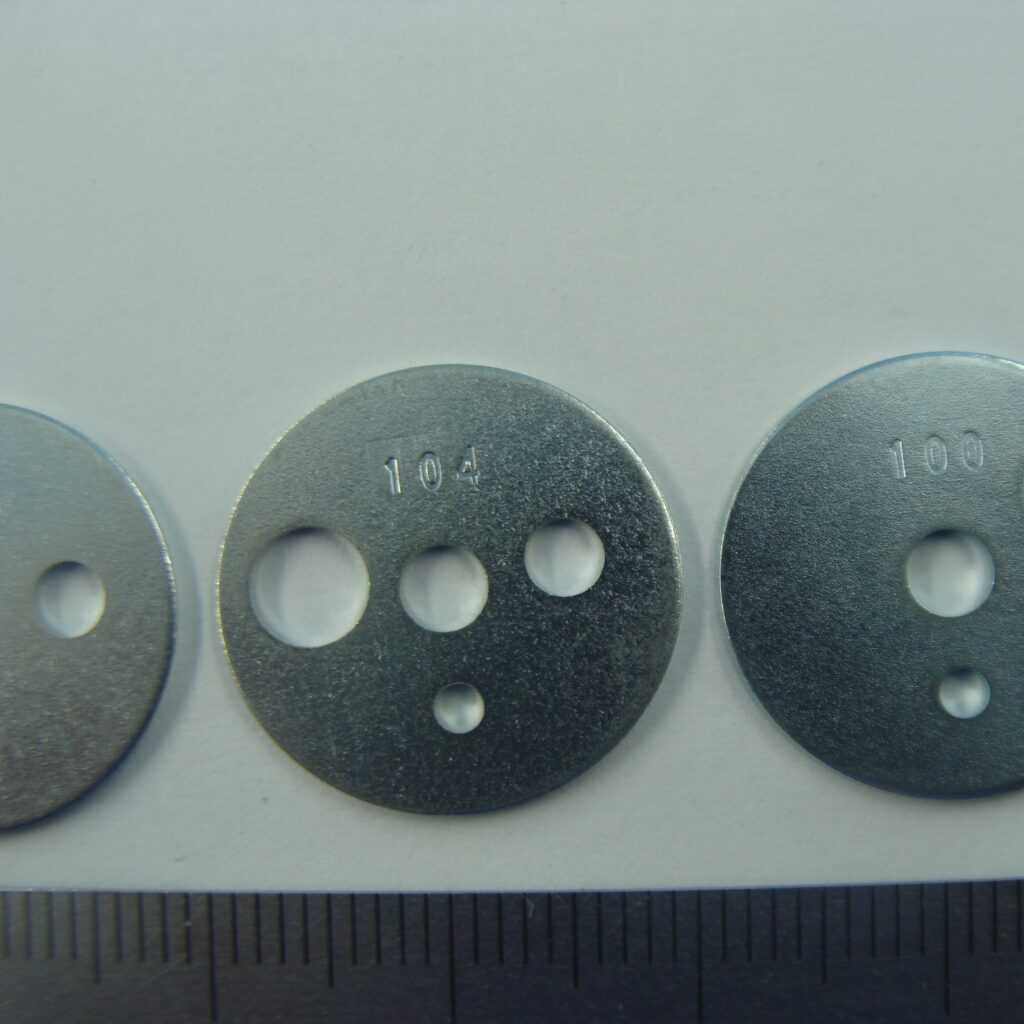
Carbon steel stamping is an important manufacturing process used to create strong and precise metal components. It is widely used across automotive, construction, electronics, machinery, appliances, and industrial equipment industries. The process allows manufacturers to produce large quantities of metal parts with consistent shapes and dimensions.
By using specialized presses, dies, and tooling, carbon steel sheets can be formed into different products. Depending on the design, the process can include cutting, bending, punching, drawing, and forming. Understanding how carbon steel stamping works can help manufacturers choose the right production method for their applications.
What Is Carbon Steel Stamping?
Carbon steel stamping is a metalworking process that uses a stamping press and specially designed dies to transform carbon steel sheets or blanks into specific shapes.
During the process, a sheet of carbon steel is positioned inside or between tooling. The press applies controlled force to the material. The die guides the steel into the required shape.
The process can be performed as a single operation or through several stages. Production requirements depend on the part’s size, thickness, shape, tolerance, and volume.
Why Carbon Steel Is Used for Stamping
Carbon steel is popular in manufacturing because it offers a useful combination of strength, durability, formability, and cost efficiency.
Different grades of carbon steel have different properties. Low-carbon steel is generally easier to form and is suitable for many stamped applications. Higher-carbon grades can provide increased hardness and strength but may require different forming techniques.
Manufacturers select the appropriate material grade based on the final product’s performance requirements.
Common Carbon Steel Stamping Processes
Several processes can be performed during carbon steel stamping. The most suitable method depends on the required component design.
Blanking
Blanking cuts a specific shape from a larger sheet of carbon steel. The resulting blank can then be used for additional forming operations.
Punching
Punching creates holes or openings in the steel sheet. It is commonly used when components require mounting holes, slots, or other openings.
Bending
Bending changes the angle or shape of the steel without completely separating it. It is useful for creating brackets, supports, channels, and structural components.
Drawing
Deep drawing forms a flat sheet into a deeper three-dimensional shape. This process is commonly used for parts that require cups, housings, or similar shapes.
Forming
Forming uses controlled pressure to create curves, contours, and other shapes in carbon steel components.
Equipment Used in Carbon Steel Stamping
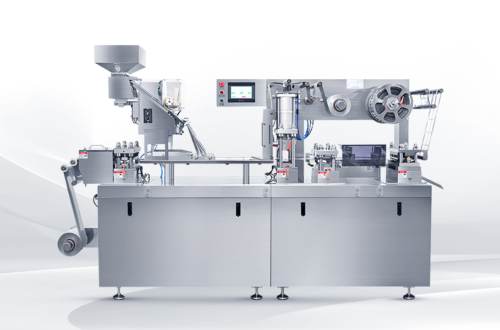
The equipment used for carbon steel stamping depends on the production requirements. Stamping presses are among the most important machines in the process.
Presses can vary in size, capacity, speed, and operating method. Mechanical presses are commonly used for high-volume production, while hydraulic presses can provide controlled force for certain forming applications.
Dies are equally important. A die determines the shape and dimensions of the finished component. Proper die design can improve accuracy, production speed, and material efficiency.
Modern facilities may also use automated feeding systems, sensors, inspection equipment, and computer-controlled machinery.
Types of Stamping Dies
Different types of dies are available for carbon steel stamping applications.
Single-Operation Dies
These dies perform one main operation at a time. They can be suitable for simple parts or lower-volume production.
Progressive Dies
Progressive dies perform multiple operations as the metal moves through different stations. They are useful for producing large quantities of small or medium-sized components.
Transfer Dies
Transfer dies move individual parts between different forming stations. They can be suitable for larger or more complex components.
The correct die type depends on the part design, production volume, material thickness, and required tolerances.
Advantages of Carbon Steel Stamping
Carbon steel stamping offers several advantages for manufacturers.
High Production Speed
Once the tooling is prepared, stamping can produce many components quickly. This makes it suitable for high-volume manufacturing.
Consistent Results
Properly designed dies can produce parts with consistent shapes and dimensions. Consistency is especially important when components must fit into larger assemblies.
Cost Efficiency
Large production runs can reduce the cost per component. Automated processes can further improve manufacturing efficiency.
Design Flexibility
Stamping can create many different shapes. Manufacturers can produce simple brackets as well as more complex formed components.
Material Strength
Carbon steel provides useful strength and durability for many industrial applications.
Applications of Carbon Steel Stamping
Carbon steel stamped parts are used in many industries.
The automotive industry uses stamped components for brackets, structural parts, body components, mounting pieces, and various hardware.
Construction equipment can also use stamped steel components for supports, frames, connectors, and fittings.
In appliances, stamped carbon steel may be used for brackets, panels, housings, and internal components.
Industrial machinery, electrical equipment, furniture hardware, and agricultural equipment can also use stamped carbon steel parts.
Importance of Material Selection
Selecting the right carbon steel grade is an important part of the stamping process. Material properties can affect forming performance, strength, surface quality, and finished-part durability.
Low-carbon grades are often chosen for applications requiring good formability. Other grades may be selected when higher strength or hardness is required.
Material thickness is also important. The thickness affects forming force, tool design, part strength, and production requirements.
Manufacturers should evaluate material specifications before designing the stamping process.
Importance of Tool and Die Design
Tooling has a major impact on the quality of stamped components. Poorly designed dies can lead to dimensional errors, cracks, wrinkles, excessive wear, or material waste.
Engineers consider factors such as material thickness, bend radius, forming direction, tolerances, and production volume when designing tooling.
Modern computer-aided design software can help engineers develop and evaluate stamping tools before manufacturing begins.
Accurate tooling can improve production efficiency and reduce costly manufacturing problems.
Quality Control in Carbon Steel Stamping
Quality control is essential for producing reliable stamped parts. Manufacturers may inspect components during different stages of production.
Common checks include dimensions, hole positions, thickness, surface condition, shape, and overall appearance.
Advanced facilities may use coordinate measuring machines, optical inspection systems, sensors, and automated quality-control equipment.
Regular inspections can help identify tooling wear and production problems before large quantities of defective components are produced.
Surface Finishing After Stamping
Stamped carbon steel parts may require additional finishing depending on their application.
Common finishing processes can include cleaning, deburring, painting, powder coating, plating, and other protective treatments.
Deburring removes sharp edges created during cutting and punching. Protective finishes can help improve appearance and provide resistance against corrosion.
The appropriate finishing method depends on the operating environment and performance requirements of the finished part.
Reducing Waste in Steel Stamping
Material efficiency is an important consideration in carbon steel stamping. Poor material layout can increase scrap and production costs.
Engineers can optimize blank layouts to use more of each sheet. Automated equipment and modern design software can also improve material utilization.
Reducing waste can lower manufacturing costs and support more efficient production.
Choosing a Carbon Steel Stamping Manufacturer
When selecting a stamping manufacturer, businesses should consider experience, equipment, tooling capabilities, quality control, production capacity, and delivery performance.
A reliable manufacturer should understand the required material grade, tolerances, production volume, and finishing requirements.
It is also useful to ask about engineering support and prototype capabilities. A manufacturer that can assist during the design stage may help identify potential production issues early.
Future of Carbon Steel Stamping
The stamping industry continues to adopt automation, robotics, advanced inspection systems, and digital manufacturing technologies.
Automated material handling can improve production speed and reduce manual tasks. Smart sensors can monitor equipment performance and detect potential issues.
Advanced software can also improve die design, production planning, and quality control.
These technologies are helping manufacturers make carbon steel stamping more efficient, accurate, and cost-effective.
Conclusion
Carbon steel stamping is a versatile manufacturing process for producing strong and precise metal components. It can include blanking, punching, bending, drawing, and forming operations.
The process offers high production speed, consistent results, design flexibility, and cost efficiency. It is used across automotive, construction, appliance, machinery, and many other industries.
Choosing the right carbon steel grade, tooling system, equipment, finishing method, and manufacturing partner is essential for successful production. With modern automation and quality-control technologies, carbon steel stamping continues to be an important solution for manufacturers seeking reliable and efficient metal components.