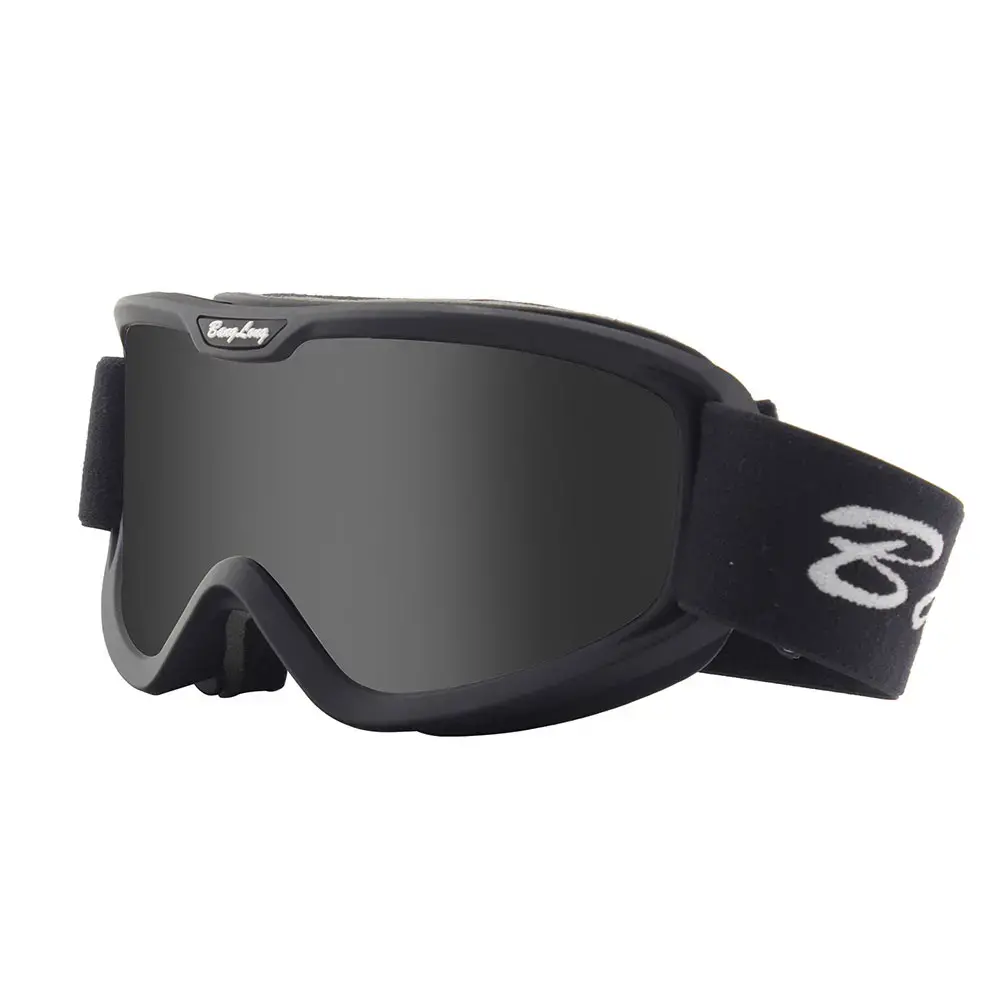
A ski goggles manufacturer plays an important role in the winter sports industry by designing and producing eyewear that helps skiers and snowboarders see clearly in challenging mountain conditions. Ski goggles are more than a fashion accessory. They can help protect the eyes from wind, snow, glare, and ultraviolet radiation while improving visual comfort on the slopes.
The quality of ski goggles depends on several factors, including lens technology, frame construction, ventilation, fit, materials, and manufacturing standards. For retailers, distributors, sports brands, and businesses developing private-label products, choosing the right manufacturing partner is an important decision.
A reliable manufacturer should combine product development expertise with consistent quality control and efficient production. Understanding the manufacturing process can help buyers make better decisions and select products that meet their target market’s needs.
What Is a Ski Goggles Manufacturer?
A ski goggles manufacturer is a company that develops and produces protective eyewear specifically designed for skiing and snowboarding.
Manufacturers may produce standard models for their own brands or work with other companies through private-label and custom manufacturing programs.
Their responsibilities can include product design, material selection, mold development, lens production, frame assembly, quality inspection, packaging, and shipment preparation.
Some manufacturers specialize in high-volume production, while others focus on customized designs and smaller product runs.
Why Ski Goggle Quality Matters
Ski goggles are exposed to demanding conditions. Cold temperatures, wind, snow, moisture, and bright sunlight can affect both the product and the user’s vision.
A well-designed goggle should provide a comfortable fit while helping protect the eyes from environmental conditions.
Poor-quality goggles may fog easily, distort vision, allow excessive wind entry, or become uncomfortable during extended use.
For businesses selling ski goggles, product quality also affects customer satisfaction and brand reputation. Working with an experienced manufacturer can help maintain consistent standards across production batches.
How Ski Goggles Are Manufactured
Ski goggle manufacturing involves several stages.
The process often begins with product design and engineering. Designers determine the frame shape, lens size, strap placement, ventilation structure, and overall appearance.
Materials are then selected according to the required performance characteristics.
The frame may be formed using injection molding or another suitable manufacturing method. Lenses are produced and processed to achieve the desired optical and protective properties.
After the main components are prepared, the lens, frame, foam, strap, and other parts are assembled.
Finished products undergo inspection before packaging and shipment.
Manufacturing methods can vary according to the product design and production volume.
Choosing the Right Lens Technology
The lens is one of the most important components of a ski goggle.
Different lens colors and optical technologies can be designed for different weather and lighting conditions.
Some lenses are developed for bright sunlight, while others are designed to improve visibility in cloudy or low-light conditions.
Double-layer lenses are commonly used in performance-oriented goggles because their construction can help manage temperature differences between the inside and outside surfaces.
Some manufacturers also offer interchangeable lens systems, allowing users to adapt their goggles to changing conditions.
A ski goggles manufacturer should be able to explain the optical characteristics and intended use of each lens option.
Importance of Frame Design
The frame determines much of the goggle’s fit, durability, and appearance.
A good frame should provide enough flexibility for comfortable use while maintaining structural integrity.
The shape should also support a wide field of vision. Modern ski goggles often use larger lenses and carefully designed frame profiles to provide broader peripheral visibility.
The frame should work comfortably with helmets because many skiers wear both products together.
Manufacturers may offer different frame sizes to accommodate different face shapes and user preferences.
Ventilation and Anti-Fog Performance
Fogging is a common concern for winter sports eyewear.
A ski goggles manufacturer can use ventilation openings to encourage airflow through the goggle. Proper ventilation can help manage temperature and moisture.
Anti-fog lens treatments can provide additional support.
The design must balance ventilation with protection from wind and snow.
Foam placement around the frame can also influence airflow and comfort.
Testing under realistic winter conditions can help manufacturers evaluate whether the ventilation design performs as intended.
Materials Used in Ski Goggles
Materials influence the durability, comfort, weight, and performance of ski goggles.
Frames may use engineered plastics designed to remain flexible in cold conditions.
Lens materials need to provide suitable optical clarity and impact resistance for their intended application.
Soft face foam is commonly used around the frame to improve comfort and create a suitable interface with the user’s face.
Straps require flexibility and strength because they need to hold the goggles securely during movement.
A manufacturer should select materials based on the intended performance requirements and applicable product standards.
UV Protection and Optical Clarity
Mountain environments can expose users to strong sunlight and reflected glare. Ski goggles should therefore provide appropriate UV protection for their intended market.
Optical clarity is also important because visual distortion can make it harder for users to interpret terrain.
Manufacturers should conduct appropriate testing to verify lens performance.
Businesses should ask potential suppliers for relevant specifications and testing documentation before placing large orders.
Clear product specifications also help retailers communicate product benefits accurately to customers.
Custom Ski Goggle Manufacturing
Many sports brands want unique products that match their visual identity.
A ski goggles manufacturer may provide customization services such as:
- Custom frame colors
- Printed logos
- Branded straps
- Customized lens colors
- Packaging design
- Frame finishes
- Product-specific graphics
Custom manufacturing can help businesses create a distinctive product range.
Before starting production, buyers should confirm minimum order quantities, tooling costs, sample requirements, and production timelines.
Private Label Ski Goggles
Private-label manufacturing allows a business to sell ski goggles under its own brand name.
The manufacturer produces the goggles according to agreed specifications while the customer handles branding and marketing.
This approach can be useful for sports retailers, outdoor brands, distributors, and online businesses.
A private-label project may include customized packaging, logo application, color selection, and product specifications.
Working with a manufacturer that has experience in private-label production can simplify the development process.
Quality Control in Ski Goggle Production
Quality control should take place throughout the manufacturing process.
Incoming materials should be checked for consistency. Frame components, lenses, foam, straps, and other parts should meet agreed specifications.
During assembly, manufacturers should check lens alignment, frame fit, strap attachment, and overall construction.
Finished products can undergo visual inspections and performance testing.
Quality control helps reduce defective products and maintain consistency between production batches.
For international buyers, documentation and testing records can also be important when evaluating suppliers.
Packaging and Branding Options
Packaging protects ski goggles during storage and transportation while also supporting product presentation.
Manufacturers may offer custom boxes, protective bags, cleaning cloths, product cards, and branded packaging.
Packaging should provide suitable protection against scratches and other damage.
Clear branding can help retailers create a consistent customer experience.
Businesses should discuss packaging requirements early because custom packaging may require additional design, printing, and production time.
How to Choose a Ski Goggles Manufacturer
Choosing the right manufacturer requires careful research.
First, review the supplier’s experience with ski and snow sports products. Examine product quality, available customization, and manufacturing capabilities.
Ask about:
- Minimum order quantities
- Sample availability
- Production capacity
- Quality control procedures
- Lens specifications
- Frame materials
- Customization options
- Packaging services
- Lead times
- Shipping arrangements
- Product testing
Communication is also important. A responsive supplier can make product development and production management easier.
Production Capacity and Lead Times
Production capacity matters when a business needs to maintain inventory during the winter sports season.
A manufacturer should be able to explain expected production timelines and potential seasonal delays.
Businesses should plan orders early, especially when custom molds, unique lenses, or specialized packaging are required.
Sample approval should also be completed before mass production begins.
Clear production schedules can help reduce inventory shortages and support smoother distribution.
Sustainable Ski Goggle Manufacturing
Environmental considerations are becoming increasingly important in the sports equipment industry.
Some manufacturers are exploring recycled materials, more efficient production processes, reduced packaging, and longer-lasting product designs.
Durability can itself support sustainability because products that remain useful for longer may reduce replacement frequency.
Businesses interested in environmentally conscious products should ask manufacturers about material sourcing, production practices, packaging choices, and available recycled-content options.
Conclusion
A ski goggles manufacturer provides the expertise and production capabilities needed to create reliable winter sports eyewear. From lens technology and frame design to ventilation, materials, customization, and quality control, many factors influence the final product.
Businesses looking for a manufacturing partner should evaluate experience, production capacity, product quality, customization options, testing procedures, and communication.
Whether the goal is to launch a private-label collection or source established ski goggles, selecting a capable manufacturer can support consistent quality and customer satisfaction. Careful supplier evaluation and proper product testing can help create ski goggles that combine comfort, clear vision, protection, durability, and attractive design for demanding winter environments.