What is Intellectual Property? A Simple Guide for Beginners Curious about how ideas become owned? Learn the basics of intellectual property, why it matters, and how to protect your own creative work today.
Have you ever drawn a cool picture, written a fun story, or invented something new? If you have, you created something special! Did you know that your idea is yours to keep? This is called intellectual property. It is a fancy way of saying that your brain-child belongs to you. Just like you own your favorite toy, you can own your thoughts and inventions. This guide will help you understand how intellectual property works in our big, busy world. We will look at why protecting your work is important and how you can do it easily.
What Exactly is Intellectual Property?
- What Exactly is Intellectual Property?
- Why Do We Need These Rules?
- The Four Main Types of Protection
- How Copyright Works for Artists
- Understanding Patents for Inventors
- Why Trademarks Matter for Brands
- The Power of Trade Secrets
- How to Protect Your Own Ideas
- The Role of the Internet Today
- Creative Thinking and Future Innovation
- Biography Table: Famous Creators and Their Protection
- Frequently Asked Questions (FAQs)
At its heart, intellectual property is all about protecting what you create. Think of it as a invisible fence around your ideas. It makes sure that others cannot just take your hard work and call it their own. Whether it is a song you wrote or a logo you designed, these things are valuable. By understanding intellectual property, you learn how to keep your work safe. It is a vital tool for artists, writers, and inventors everywhere. When we respect these rules, we encourage more people to share their amazing, creative ideas with everyone else.
Why Do We Need These Rules?
Imagine if you worked on a painting for weeks, only for someone to copy it instantly. That would not feel very fair, would it? Intellectual property rules exist to stop this from happening. These rules give creators the power to decide how their work is used. By protecting intellectual property, we make sure that people get credit for their time and effort. This fairness encourages people to keep making new, exciting things. Without these protections, people might be afraid to share their best ideas. These laws help keep the world full of fresh, original content for everyone to enjoy.
The Four Main Types of Protection
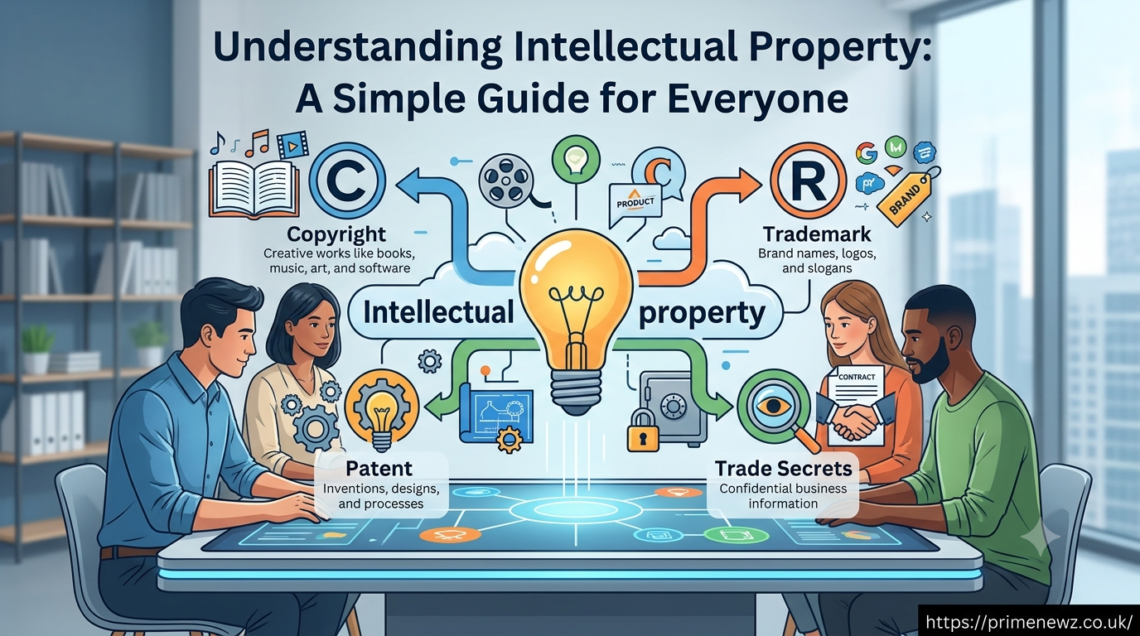
There are different ways to keep your creations safe. First, we have copyrights, which cover books, music, and art. Next are patents, which are for new inventions, like a better lightbulb. Then there are trademarks, which protect brand names and logos you see every day. Finally, trade secrets protect private recipes or business plans that companies want to keep quiet. Understanding these four parts of intellectual property is the first step toward becoming a smart creator. Each type works a little differently, but they all share one simple goal: keeping your work safe from copycats.
How Copyright Works for Artists
If you love to draw or write, copyright is your best friend. It automatically protects your creative work the moment you make it. You do not even need to file big papers to have some protection. When you write a story, that intellectual property is yours from the very first word. It means no one can print your story and sell it without your permission. Copyright helps keep art special and gives artists control over their own masterpieces. It is a wonderful way to ensure that your imagination remains yours to share on your own terms.
Understanding Patents for Inventors
Do you like building things or fixing broken gadgets? If you invent a totally new tool, a patent is what you need. A patent is like a special shield for your invention. It tells everyone that you are the person who made this specific thing. Because of intellectual property laws, others cannot make or sell your invention without asking you first. This can be a long process, but it is worth it for big, life-changing ideas. Patents help inventors feel confident that their hard work and late nights will be rewarded fairly in the future.
Why Trademarks Matter for Brands
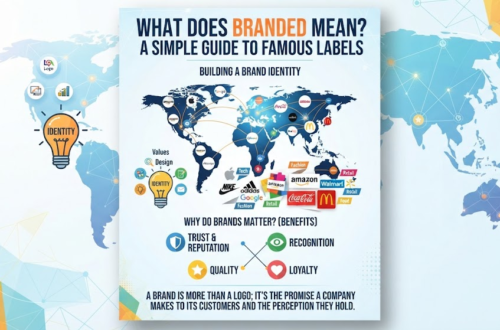
Have you ever spotted the golden arches of a famous burger place? That logo is protected by a trademark. A trademark helps people know exactly who made a product. It stops other companies from tricking you by using a similar name or symbol. By managing intellectual property like this, businesses build trust with their customers. When you see a familiar logo, you know exactly what to expect. Trademarks ensure that brands stay unique and honest. It is all about keeping the marketplace clear so you can always find the brands you know and love.
The Power of Trade Secrets
Not everything needs to be shared with the whole world. Some companies have secret recipes or special ways of doing things that make them successful. This is called a trade secret. It is a type of intellectual property that stays hidden to keep a business ahead of others. For example, a famous soda company keeps its drink recipe a secret so no one can copy the taste exactly. Protecting these secrets is very important for many businesses. It shows that intellectual property is not always about showing off; sometimes, it is about keeping your best ideas safe and private.
How to Protect Your Own Ideas
You might think that only big companies need to worry about this, but that is not true! You can protect your work by being careful and smart. Always keep notes or dates of when you created your work. If you are sharing your work online, mention that you own the rights to it. Understanding intellectual property means knowing when to share and when to keep things locked away. Never be afraid to ask for help if you think someone is copying your work. Taking small steps early on can save you a lot of trouble later.
The Role of the Internet Today
The internet has made sharing ideas easier than ever before. However, it has also made copying things very simple. This makes understanding intellectual property more important than it has ever been. When you find a cool image or article online, remember that it belongs to someone else. Always try to ask for permission or give credit where it is due. Being a good digital citizen is a big part of respecting intellectual property. By being kind and honest online, you help keep the web a great place for everyone to learn and create.
Creative Thinking and Future Innovation
We live in a world where new ideas are being born every single second. From robots to new songs, the future is built on creative minds. By respecting intellectual property, we ensure that those minds keep working hard. When creators feel safe, they take bigger risks and build even better things. This leads to new technology, better medicine, and more beautiful art for all of us. Always remember that your ideas have value. By valuing your own intellectual property, you are helping to build a brighter, more creative future for every person on earth.
Biography Table: Famous Creators and Their Protection
| Name | Area of Creation | Type of Protection | Impact |
| Walt Disney | Cartoons & Films | Trademark/Copyright | Created an iconic, global brand. |
| Thomas Edison | Inventions | Patents | Changed how the world uses light. |
| J.K. Rowling | Literature | Copyright | Protected her unique story world. |
| Colonel Sanders | Culinary | Trade Secret | Kept his secret recipe famous. |
Frequently Asked Questions (FAQs)
1. Does my idea count as intellectual property if I haven’t written it down? Usually, you need to turn your idea into something real, like a drawing or a document, to get legal protection.
2. Can I use someone else’s work if I give them credit? Giving credit is nice, but it does not always mean you have permission to use their intellectual property. Always check the rules first.
3. Is it expensive to protect my intellectual property? Some parts like copyright are free or very cheap, while others like patents can cost money and take time.
4. How long does a copyright last? A copyright lasts for a very long time, usually the life of the creator plus many years after they pass away.
5. What should I do if someone steals my idea? If you believe your intellectual property has been stolen, you should talk to a professional who knows about these laws to help you.
6. Is intellectual property important for kids? Yes! Even at a young age, your school projects and original art are your intellectual property. Learning about this early makes you a smarter creator.
Conclusion
Learning about intellectual property is a powerful step for any creator. It helps you keep your hard work safe while encouraging you to keep building, drawing, and dreaming. Remember that your ideas matter, and they deserve to be protected. Start by keeping a record of your creations and respecting the work of others. If you have an idea you are proud of, share it with the world confidently! Do you have a project you are working on right now that needs protection? Let me know in the comments below!