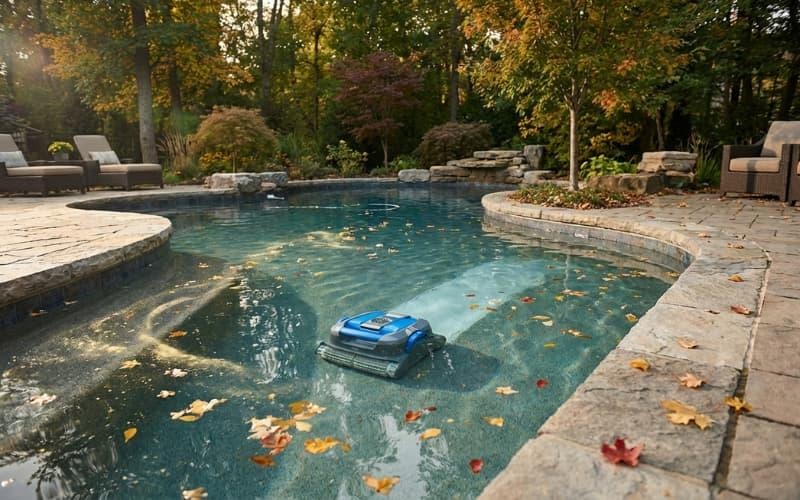
Seasonal mess is one of the biggest reasons pool maintenance becomes frustrating. A pool may look easy to manage during one part of the year, then suddenly collect leaves, pollen, dust, insects, or storm debris much faster than expected. This change often catches homeowners off guard. They may have a cleaning routine, but that routine can start to feel too slow once the season shifts. That is why automatic pool cleaning matters. It helps homeowners respond to changing conditions with more consistency, less delay, and less manual catch-up. Instead of waiting for the pool to look noticeably dirty, they can stay ahead of the mess before it becomes a larger problem.
Seasonal Changes Affect Pool Maintenance More Than Many Owners Expect
Before looking at the value of automatic cleaning, it helps to understand why seasonal mess creates so much pressure in the first place.
Different Seasons Bring Different Types of Debris
Pools do not get dirty in the same way all year. In spring, pollen and plant matter often become the main issue. In summer, heavier use adds sunscreen residue, grass, and small debris from frequent swimming. In fall, leaves and twigs may enter the water every day. During stormy periods, wind and rain can push dirt into the pool much faster than normal.
This matters because each seasonal pattern changes the cleaning load. A pool that seemed easy to manage a month ago may suddenly need more frequent attention. If the owner keeps using the same slow routine, the pool can fall behind very quickly.
Seasonal buildup often happens gradually, then all at once
One reason seasonal mess feels so frustrating is that it rarely begins with a dramatic change. At first, there may only be a few more leaves or a light layer of dust on the floor. Then, after several days, the pool starts to look noticeably worse. By that point, the homeowner is no longer dealing with a small maintenance task. They are dealing with accumulated debris that has had time to spread and settle.
That pattern is common because the early signs are easy to ignore. Automatic cleaning helps break that pattern by providing more regular support before the buildup becomes obvious.
Staying Ahead Is Easier Than Catching Up Later
Once seasonal debris starts entering the pool more often, timing becomes one of the most important parts of maintenance.
Early removal keeps debris from spreading
Leaves, pollen, and fine dirt are easier to handle when they are removed early. If they remain in the pool too long, they begin to move into corners, collect near steps, or break apart into smaller material that is harder to remove. Fine particles can settle across the floor and make the pool feel dusty even when the water still looks clear from above.
This is why staying ahead matters. A pool owner who removes seasonal debris on a more regular basis usually faces less work later. The pool stays in a more stable condition, and each cleaning cycle becomes easier.
Manual catch-up work often takes more time than people expect
Many homeowners believe they can simply clean more deeply once the mess becomes visible. In practice, this often takes longer than expected. What looked like a simple cleanup turns into skimming, brushing, vacuuming, and repeated attention to the same areas. The whole task becomes heavier because the pool was allowed to slip too far.
Automatic cleaning helps reduce that cycle. It supports a steadier maintenance pattern, which means the homeowner spends less time rescuing the pool after a busy week or a messy change in weather.
Automation Helps Match the Pace of Seasonal Debris
The biggest advantage of automatic cleaning is that it helps pool care keep up with changing conditions instead of reacting too late.
Seasonal mess does not follow the owner’s schedule
Debris enters the pool according to weather, wind, nearby trees, and outdoor activity. It does not wait for the weekend. It does not slow down because the homeowner has a busy week. That is why seasonal cleaning problems often feel unfair. The pool keeps collecting debris even when no one has time to deal with it.
Automatic cleaning helps because it reduces the gap between when debris arrives and when the pool gets attention. That matters especially during high-debris periods, when even a short delay can make the pool noticeably harder to clean.
Regular cleaning creates more stable results
A pool that receives steady support usually stays easier to manage than one cleaned only after visible buildup appears. Instead of swinging between clean and neglected, the pool remains closer to a usable state through the week. This is one reason many homeowners start viewing a robotic automatic pool cleaner as more than just a convenient tool. During messy seasons, it becomes part of a practical strategy for keeping conditions under control before debris creates a bigger maintenance burden.
That kind of stability is valuable because seasonal mess rarely disappears on its own. It has to be managed through consistency.
Seasonal Mess Often Affects More Than the Pool Floor
When homeowners think about debris, they often picture leaves sitting on the bottom. The real impact is usually broader than that.
Corners, steps, and edges collect debris faster
Seasonal debris does not settle evenly. Wind and circulation patterns often push material into corners, along walls, and around steps or ledges. These areas can start to look neglected even when the center of the pool still appears acceptable. If they are ignored for too long, they become the first places where cleaning feels like catch-up work.
Automatic cleaning helps reduce this uneven buildup by supporting a more regular cleaning rhythm across the pool. While no pool stays perfect at all times, steadier maintenance makes these trouble spots easier to control.
Seasonal dirt can affect how inviting the pool feels
Even a small amount of visible debris changes the way a pool looks. Homeowners may hesitate to use it. Guests may see the mess before they notice anything else about the yard. In this way, seasonal debris affects not just maintenance workload, but also how enjoyable the pool feels.
That is another reason staying ahead matters. The goal is not only to reduce labor. It is also to keep the pool closer to ready for normal use.
A Better Maintenance Rhythm Reduces Stress Through the Season
Automatic cleaning does more than remove debris. It changes the rhythm of pool care in a way that often feels more manageable.
Smaller maintenance loads feel less overwhelming
It is easier to deal with a light cleaning load several times than with one heavy load after days of buildup. This simple change in rhythm can make a major difference in how pool care feels over an entire season. Instead of dreading cleanup after storms, windy days, or falling leaves, homeowners can keep the pool from drifting too far in the first place.
That makes the work feel lighter, even if the pool still needs regular attention.
Predictability is valuable during messy months
Seasonal debris often creates uncertainty. Homeowners may wonder what they will find after a few busy days or after the next round of weather. Will the pool need a full cleanup? Will the floor be covered again? Will the weekend begin with maintenance instead of relaxation?
A more automatic routine lowers that uncertainty. It helps the owner expect more stable conditions, which makes pool ownership easier during the most demanding parts of the year.
Seasonal Pool Care Works Best When It Is Proactive
Seasonal mess is a normal part of pool ownership, but it becomes much harder to manage when maintenance stays reactive. Homeowners usually get better results when they respond early, keep debris from building up, and use a routine that can match the pace of changing outdoor conditions. That is exactly where automatic pool cleaning provides real value.
Supporting more regular upkeep, it helps pools stay cleaner through periods of pollen, falling leaves, wind, dust, and heavier seasonal use. It reduces the need for large manual cleanup sessions and helps the pool remain more predictable from week to week. In the end, staying ahead of seasonal mess is not about working harder. It is about using a maintenance approach that keeps the pool under control before the season makes it harder to enjoy.