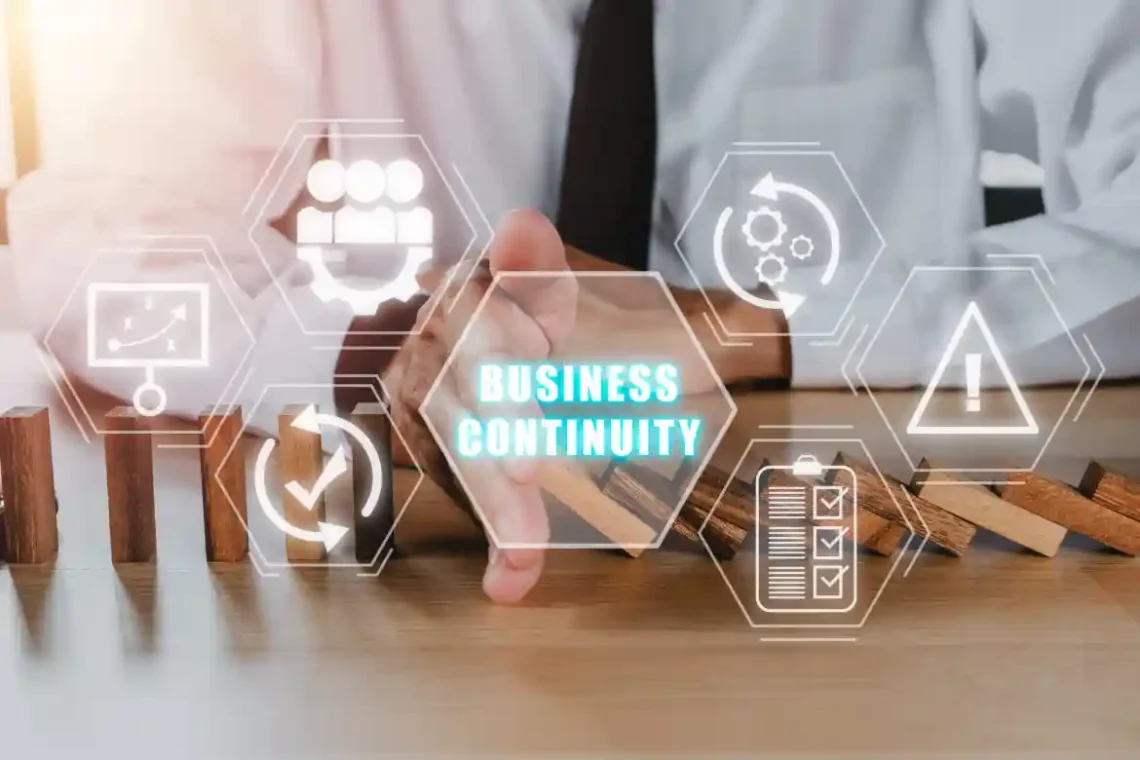
In today’s competitive business landscape, downtime isn’t just an inconvenience,it’s a direct threat to survival. When disasters strike in the form of water damage, fire, or structural failures, the clock starts ticking on potential losses that can devastate even well-established companies. Business continuity hinges on one critical factor: how quickly can you restore normal operations? Every passing hour means lost revenue, frustrated customers, and anxious employees wondering about their next paycheck. Understanding why rapid response matters isn’tjust good business sense,it’s essential knowledge for any business owner or facility manager tasked with keeping operations running smoothly. The companies that bounce back quickly aren’t just lucky; they’veplanned ahead and know exactly who to call when disaster strikes.
The Financial Impact of Delayed Repairs
Let’stalknumbers, becausethey’re startling. Every hour your business sits idle due to facility damagerepresents money you’ll never see again. For retail stores, restaurants, and service-based businesses, closed doors mean customers walking straight to your competitors, and they might not come back. Research shows that small businesses can hemorrhage anywhere from $8, 000 to $74, 000 per hour of downtime, depending on their industry and operational scale.
Protecting Your Brand Reputation and Customer Trust
We live in an age where bad news travels at the speed of a tweet. When your business shuts down unexpectedly, customers don’t just wait patiently, they share their frustration across social media and review platforms where thousands can see it. That hard-earned reputation you’ve built over years? It can take a serious hit in just days of unexplained closure. Fast repairs send a powerful message to your customer base: this business knows what it’s doing, plans for contingencies, and values their time too much to leave them hanging.
Employee Morale and Workforce Retention
Think about your employees during extended facility closures. Hourly workers face immediate income loss, while everyone worries about whether the business will survive. That uncertainty doesn’t just create stress, it triggers your best people to polish their resumes and start looking elsewhere. Losing talented staff during a crisis is particularly devastating because those are exactly the people whose institutional knowledge could help you recover faster.
Regulatory Compliance and Legal Obligations
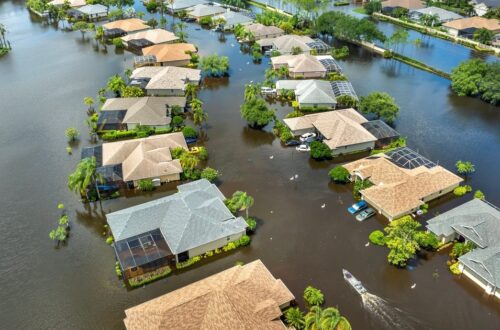
Many businesses operate under regulatory microscopes that don’t care about your disaster recovery timeline. Healthcare facilities, restaurants, childcare centers, and numerous other industries face strict requirements for facility conditions and safety standards. Delayed repairs that leave your facility in non-compliant status can trigger citations, fines, or license suspensions that pile onto your existing problems. The financial hit from regulatory penalties often rivals the repair costs themselves. When dealing with damage from water intrusion, fire, or structural issues, businesses rely on efficient commercial restoration services to quickly return facilities to compliance and avoid regulatory penalties while maintaining necessary certifications. Beyond regulatory requirements, there’s legal liability to consider. Property owners and business operators have clear obligations to maintain safe environments for everyone who walks through their doors. Negligent delays in addressing structural or safety hazards create exposure to lawsuits if someone gets injured. Those legal costs and insurance premium increases can haunt a business for years after the initial incident.
Competitive Advantage Through Operational Resilience
Markets show no mercy to struggling businesses. While you’re closed for repairs, competitors are rolling out the welcome mat for your displaced customers. Those customers aren’t just finding temporary alternatives,they’re forming new shopping habits and building relationships with businesses that were open when they needed them. Quick repairs slam that window of opportunity shut before competitors can establish lasting connections with your customer base. But there’s an even bigger strategic advantage at play. Businesses known for rapid recovery capabilities become preferred partners for vendors and clients who value reliability above all else. That reputation for operational resilience becomes a genuine differentiator when you’re competing for contracts or trying to attract new customers. In an unpredictable business environment, demonstrating that you can weather storms and maintain continuity positions you as a stable, trustworthy partner worth investing in.
Minimizing Secondary and Cascading Damages
Here’s something many business owners don’t realize until it’s too late: the initial damage is usually just the opening act. Delayed repairs create conditions where secondary problems multiply like weeds after rain. Water intrusion ignored for just 24, 48 hours doesn’t just sit there, it spawns mold colonies that require specialized remediation teams and extended timelines to eliminate. Holes in your building envelope let weather attack interior finishes, furnishings, and equipment that would’ve survived the initial incident.
Conclusion
The evidence is overwhelming: business continuity lives or dies on how quickly you respond to facility damage. Revenue protection, reputation management, workforce retention, regulatory compliance, competitive positioning, and damage mitigation all point toward the same conclusion, speed matters enormously. Smart business leaders understand that investing in preparedness, establishing relationships with qualified restoration professionals, and developing comprehensive emergency response plans isn’t optional anymore. It’sessential infrastructure for operating in today’s environment. Treating fast repairs as a critical business function rather than something you’ll figure out when disaster strikes separates resilient companies from those that struggle to survive disruptions. The real question facing every business owner isn’t whether facility damage will happen,it’s whether you’ll be ready to respond with the speed necessary to protect everything you’ve built when that moment arrives.