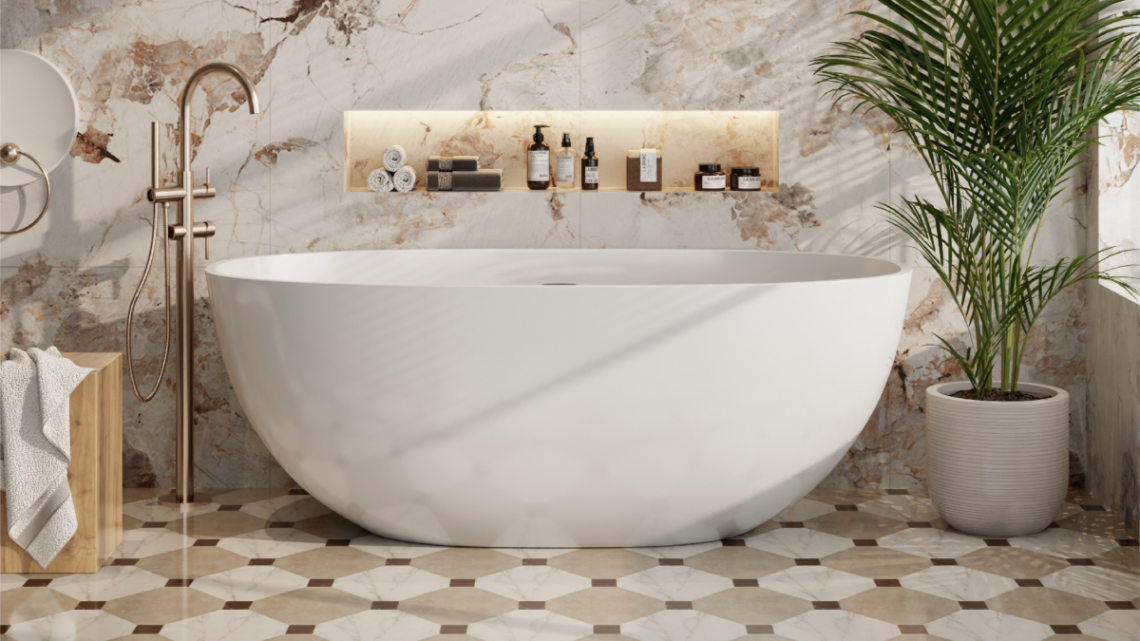
The modern bathroom has long been a sanctuary defined by clinical whites and sterile surfaces, but a new wave of design thinking is encouraging homeowners to reclaim character through color and texture. For years, the standard approach to an alcove or built-in tub involved a basic, utilitarian acrylic panel that did little more than hide the plumbing. However, designers are now advocating for a more intentional approach that treats the side of the bathtub as a primary design canvas. By replacing that uninspired white plastic with carefully selected tiles, you can instantly elevate a room from a standard utility space to a bespoke retreat that feels curated and high-end. This shift toward integrated textures is often paired with other luxury elements like bathroom vanities with illuminated stone tops, which provide a soft glow to complement the intricate patterns of a tiled tub, ensuring that every corner of the room feels considered and intentional.
The End of the Boring Bath Panel
Moving away from standard finishes is the most effective way to infuse a sense of permanence and architectural depth into your home. When you look at high-end interior design, the most successful spaces are those where every element feels like it was built specifically for that room. A tiled bath apron achieves exactly this by erasing the line where the tub ends and the rest of the room begins. It is a simple technique that yields massive results, providing a high-impact look that suggests a much more expensive renovation than it actually requires.
The beauty of this trend lies in its incredible versatility and the way it bridges the gap between different design eras. Whether you are aiming for a nostalgic, retro vibe or a sleek, contemporary atmosphere, the choice of tile can pivot the entire mood of the space. Designers have noted that homeowners are increasingly moving away from the “one size fits all” mentality and are instead looking for ways to express their unique personalities through small but significant details. By choosing a custom finish for your tub, you are making a statement that your home is a reflection of your taste rather than a carbon copy of a showroom floor. This level of customization is becoming a staple in high-quality home transformations, often discussed on platforms like charlesweiler.com/ where the focus is on creating spaces that stand the test of time through thoughtful craftsmanship and better material choices.
Creating a Seamless Architectural Flow
One of the most compelling reasons to embrace a tiled bathtub is the ability to create a sense of cohesion that standard panels simply cannot provide. When a bathtub is wrapped in the same material as the surrounding walls or the floor, it ceases to look like a separate appliance and instead becomes a built-in architectural feature. This integration is particularly useful in smaller bathrooms where visual breaks can make the room feel cramped and disjointed.
The Power of Tile Drenching
Tile drenching is a bold design strategy where one consistent tile design is applied to the floors, the walls, and the bathtub itself. This technique creates a monochromatic or pattern-heavy environment that feels incredibly intentional and modern. By removing the visual boundaries between the different surfaces, you allow the eye to move smoothly across the room, which can actually make a compact bathroom feel much larger than it truly is.
Integration Through Material Consistency
If you aren’t ready for a full-room “drench,” you can still achieve a professional look by simply matching the tub’s side to the tiles used in the immediate surround. This approach makes the tub feel like a natural extension of the room’s architecture. It is a fantastic way to tie the bathtub into the overall design, using the same or complementary materials to create a high-end feel that feels intentional rather than accidental.
Elevating Your Space with Texture and Contrast
While matching tiles can create a soothing, uniform look, using the bathtub as a place for contrast can turn a functional item into a stunning focal point. This is where you can truly get creative with different shapes, finishes, and colors to define the room’s personality.
Introducing Bold Contrasts
For those who prefer a more maximalist or eclectic aesthetic, the side of the bathtub is the perfect place to introduce a pop of color or a different texture. If your walls are neutral and smooth, consider using a fluted or 3D-textured tile on the bath panel. This adds a layer of sophistication and tactile interest that draws the eye toward the center of the room. The key is to ensure that the colors or textures complement the surrounding space rather than competing with it.
Handcrafted and Glossy Finishes
In spaces that lack natural light, the finish of your tile becomes even more important. Glossy, handmade-look tiles have a slight ripple on their surface that catches the light beautifully, creating a shimmering effect that adds life to a dark corner. Using these types of tiles on a tub apron can bounce light around the room, making the entire bathing area feel bright and welcoming even if there isn’t a window in sight.
Timeless Patterns and Artistic Murals
Tiling your bathtub provides a unique opportunity to play with classic layouts and artistic expressions that might feel overwhelming on a large wall but look perfect on a smaller surface. From traditional patterns to full-scale murals, the possibilities are limited only by your imagination.
The Charm of Classic Patterns
A checkerboard pattern or a sophisticated herringbone layout can bring a whimsical yet timeless charm to a bathroom. This is an especially popular choice for family bathrooms or guest spaces where you want to add a bit of “character” without sacrificing elegance. These classic patterns grow with the home, ensuring that the design won’t feel dated in just a few years.
Creating a Decorative Mural
For the truly daring, the bathtub can serve as the base for a tile mural. This technique involves using mosaic tiles to create a picture or a flowing design that starts on the wall and wraps around the front of the tub. It creates a sense of movement and artistry that is rarely seen in modern homes, turning the bathroom into a private gallery. It is a striking way to bring a sense of luxury and unique flair to your daily routine.
Practical Considerations for a Professional Result
While the aesthetic benefits are clear, a successful tiled bathtub project requires careful planning and attention to detail during the installation phase. To make the tub look truly “custom,” the layout of the tiles must be calculated with precision.
One of the most important factors is the planning of the tile cuts. You want to avoid thin, sliver-like pieces of tile at the edges or at the top of the apron. Ideally, the height of the front panel should be designed to accommodate full tile dimensions as much as possible. This creates a clean, professional finish that looks like the tub was designed specifically for those tiles. Additionally, using a stone top or a “drop-in” ledge for the bathtub can further elevate the application, providing a solid, high-quality surface that frames the tiled front perfectly. By taking the time to plan these small details, you ensure that your tiled bathtub remains a beautiful and durable feature of your home for decades to come.

