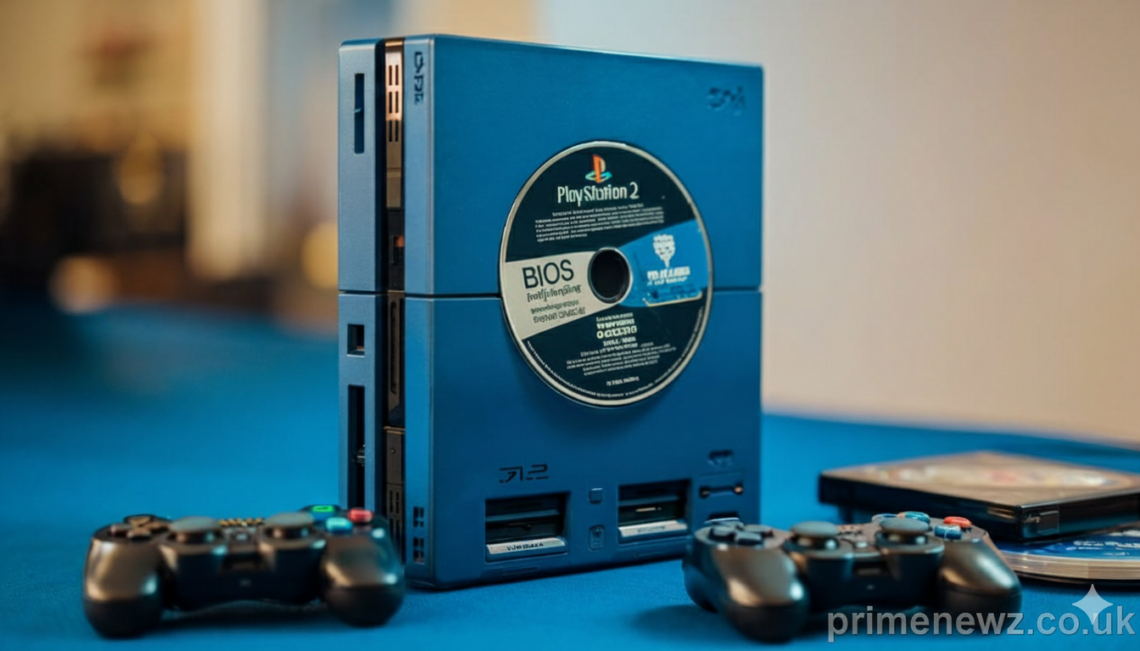
The PS2 BIOS is a small yet essential part of your PlayStation 2 console. Without it, your PS2 won’t run games or apps. Think of it as the brain of your gaming system—it tells your console how to start up, read discs, and communicate with hardware. Whether you’re a retro gamer or just exploring old consoles, understanding PS2 BIOS is key. In this guide, we’ll break everything down in simple terms, show you how it works, and share tips to make the most of it.
What Is PS2 BIOS?
The PS2 BIOS stands for PlayStation 2 Basic Input/Output System. It is software embedded inside the console that controls startup processes, hardware functions, and compatibility with games. Essentially, it acts as a bridge between the PS2 hardware and the software, ensuring everything works smoothly. Without it, your games would fail to load, and the console would be unable to function.
How Does PS2 BIOS Work?
The PS2 BIOS initializes the console when you turn it on. It checks the hardware, ensures the controllers and memory cards are connected, and prepares the system to read discs. Once the check is complete, the BIOS loads the game. Every PS2 model has slightly different BIOS versions, which can affect game compatibility.
Different PS2 BIOS Versions
There are multiple PS2 BIOS versions depending on the console type: Fat PS2, Slim PS2, and different regional models (NTSC-U, NTSC-J, PAL). Each version has unique firmware and supports different games. Knowing your BIOS version is important, especially for emulation or troubleshooting errors.
Why PS2 BIOS Is Important
The PS2 BIOS is crucial because it ensures your console operates correctly. It manages everything from reading CDs and DVDs to connecting peripherals. Gamers often overlook BIOS, but without the correct version, certain games may not start, or the console may crash unexpectedly.
How to Check Your PS2 BIOS Version
You can check the PS2 BIOS version from the system menu. Turn on your PS2 without a disc and navigate to “System Configuration.” The version will appear on the screen. For emulators like PCSX2, you’ll need a dumped BIOS file from your PS2 to run games legally.
PS2 BIOS and Emulation
Emulators like PCSX2 rely on the PS2 BIOS to mimic the console’s behavior. Without the BIOS, games won’t load or will crash. Legally, you must dump the BIOS from your own PS2. Using someone else’s BIOS file is considered piracy and may be illegal.
Common PS2 BIOS Errors and Fixes
Sometimes, the BIOS can cause issues like a blank screen, freezing, or disc reading errors. Simple fixes include cleaning the disc, checking the console connections, or updating the emulator settings. Knowing your BIOS version can help troubleshoot these problems faster.
PS2 BIOS Compatibility With Games
Not all PS2 games run on every BIOS version. For instance, some Japanese games need the NTSC-J BIOS, while European PAL games may require a different version. Checking compatibility ensures smoother gameplay and fewer crashes.
How to Update or Replace PS2 BIOS
Updating PS2 BIOS isn’t straightforward because Sony didn’t release updates for end-users. However, in emulation, you can switch BIOS versions to improve compatibility. Always use legal methods and avoid pirated BIOS files to stay safe and ethical.
Fun Facts About PS2 BIOS
- The PS2 BIOS was designed in 1999 alongside the console.
- It can support multiple languages and region formats.
- Some hidden menu features allow advanced configuration and testing.
- BIOS files are tiny, only a few megabytes, yet they control the entire system.
PS2 BIOS Biography Table
| Feature | Details |
| Name | PS2 BIOS (PlayStation 2 Basic Input/Output System) |
| Purpose | Controls startup, hardware, and software communication |
| Release Year | 1999 |
| Supported Consoles | All PS2 models (Fat, Slim) |
| Versions | NTSC-U, NTSC-J, PAL |
| Key Function | Initializes system, loads games, manages peripherals |
| File Size | Few megabytes |
| Usage | Console startup, emulation |
FAQs About PS2 BIOS
1. Can I run PS2 games without BIOS?
No. The BIOS is essential for starting and running PS2 games.
2. Is it legal to download PS2 BIOS?
Only if you dump it from your own PS2. Downloading from others is illegal.
3. What happens if the BIOS is corrupted?
The console may freeze, fail to read discs, or display errors.
4. Can BIOS affect game speed?
Yes. An incompatible BIOS may cause slow loading or crashes.
5. Are all BIOS versions compatible with emulators?
Not all. You need the BIOS matching your region and console type.
6. How do I know my PS2 BIOS version?
Check in System Configuration or use software tools for emulators.
Conclusion
Understanding PS2 BIOS is more than just a technical detail. It’s the heart of your PlayStation 2 console, controlling everything from startup to gameplay. Knowing your BIOS version can save you from errors, improve emulation performance, and enhance your gaming experience. If you’re serious about retro gaming, the PS2 BIOS is something you should definitely know.
Also Read More about this Post: PS2 BIOS