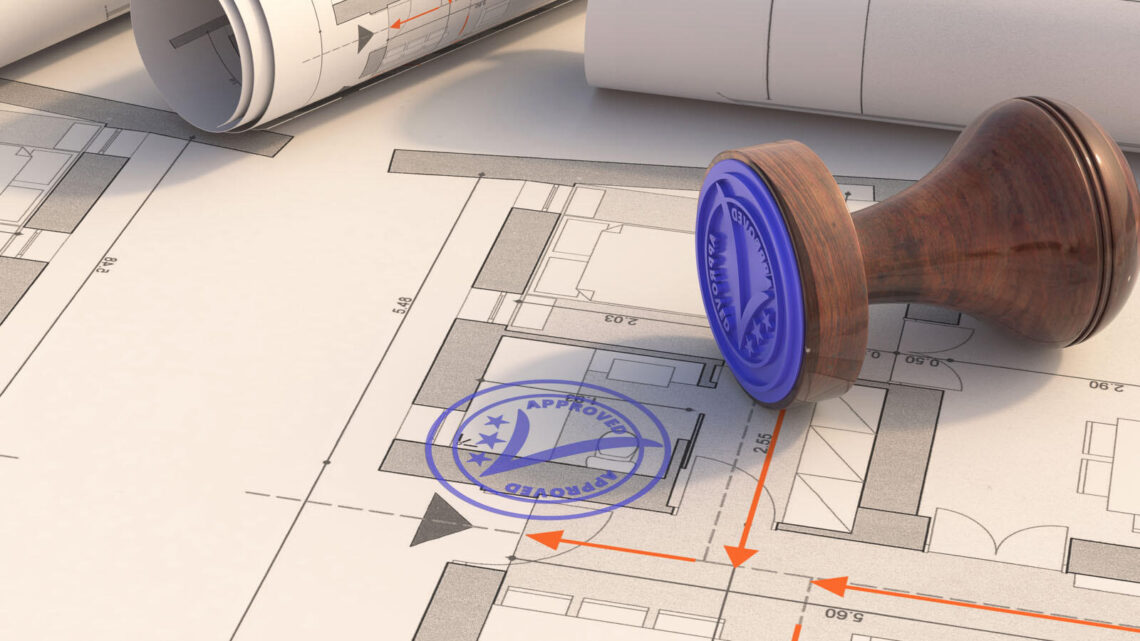
It is incredibly easy to get swept up in the excitement of a home project, but before you start hammering or demolition, it is imperative to determine if you need a permit. For many homeowners, the renovation process begins with mood boards and color swatches, yet the most critical steps happen long before the first coat of paint is applied. Failing to obtain the proper permissions can result in heavy fines, project delays, or even the dire requirement to undo the completed work, which can be both heartbreaking and financially devastating. To navigate these complexities, many homeowners choose to work with experts handling drawings, permits, and construction to ensure their vision aligns with local safety codes and structural requirements. By taking the time to verify these legal necessities at the start, you protect your investment and ensure your home remains a haven for your family.
The fundamental rule of thumb used by professional contractors is that any work altering the structure, electrical, plumbing, or mechanical systems of a home generally requires a permit. While minor repairs or routine maintenance typically fall under the radar of local building departments, anything that changes the footprint or the internal “organs” of the house must be documented. If you are simply replacing a broken tile or fixing a leaky faucet, you are likely in the clear; however, the moment you decide to relocate a wall or add a new bathroom, the complexity of the project shifts. These regulations exist for a reason, primarily to ensure that the work is performed to a standard that prevents fires, structural collapses, or dangerous utility leaks that could endanger the community.
Planning your renovation timeline requires a realistic look at how long the administrative side of the project will take. Many municipalities require a fee for permits, but those fees are utilized to pay professional inspectors who review the work for code compliance, acting as a secondary safety net for the homeowner. When you are looking to invest in significant residential and commercial space upgrades, the permit process acts as a guarantee of quality that can be invaluable during future resale. Working with professionals who understand these local nuances can save you months of frustration and prevent the “horror stories” that often arise from unpermitted construction.
Why Permits Are Your Best Friend in a Remodel
Securing a permit might seem like an unnecessary bureaucratic hurdle, but it actually serves as a vital safeguard for your property’s long-term health. When a building inspector visits your home, they are providing an expert, unbiased evaluation of the work your contractor has performed, ensuring that no corners were cut during the process.
Protection Against Structural Failure
Without an architect or structural engineer to evaluate the removal of a wall, you run the risk of compromising the integrity of your entire house. A permit ensures that these structural changes are backed by professional drawings and verified by an inspector who knows exactly what to look for in terms of load-bearing support. This prevents the nightmare scenario of a sagging ceiling or a cracked foundation years down the road.
Safety and Insurance Peace of Mind
Beyond physical safety, permits offer significant financial protection. If a fire or flood occurs due to unpermitted electrical or plumbing work, many insurance companies have the legal right to deny your claim entirely. By following the legal path, you ensure that your policy remains valid and that your home is officially recognized as a safe, code-compliant structure.
Surprising Projects That Almost Always Need Permission
Many homeowners are surprised to learn that even small or seemingly superficial changes often require official approval from the local building department. While it might seem like your own business what you do with your backyard or your roof, these modifications can affect drainage, fire safety, and the overall character of the neighborhood.
Windows, Doors, and External Structures
Even replacing existing windows or doors can trigger a permit requirement in many jurisdictions, particularly if the size of the opening is changing. This is often related to energy efficiency standards and emergency egress requirements that allow occupants to escape during a fire. Similarly, fence installations and deck builds are subject to zoning laws that dictate height, materials, and how close a structure can sit to the property line. Even a small shed or a detached garage must often be permitted to ensure it doesn’t interfere with utility lines or neighborhood easements.
Internal Systems and Utilities
Modifying the internal systems of your home is almost always a permitted activity. This includes moving or adding electrical outlets, installing a new water heater, or expanding your HVAC system. Adding plumbing fixtures is another common surprise, especially for those on septic systems, where the additional load must be carefully calculated. Even attic insulation or basement finishing requires oversight to ensure that fire blocking is in place and that the new living space meets ventilation and safety standards.
The Financial Risk of Ignoring Local Building Codes
Choosing to bypass the permit process might save a little bit of money and time in the short term, but the long-term risks are rarely worth the gamble. Local authorities have the power to issue “stop-work” orders immediately if they discover unpermitted construction, which can leave your home in a state of disrepair for months while you navigate the legal fallout.
The Impact on Resale Value
If you ever try to sell your home, having unpermitted additions or major changes can affect appraisal values and scare off potential buyers. Modern home inspections are incredibly thorough, and if the records at the city hall do not match the layout of the house, it creates a red flag that can tank even the best offer. Buyers do not want to take on the liability of your unpermitted work, and many lenders will refuse to provide a mortgage for a property with significant code violations.
Potential Fines and Remediation
Contractors and homeowners alike can face serious trouble for failing to pull a permit. You may be forced to pay triple the original permit fee in fines, and in some cases, the city may require you to open up finished walls so they can inspect the hidden wiring or plumbing. This remediation process is often more expensive than the original renovation itself, turning a “budget-friendly” DIY project into a financial disaster.
Who Should Be Responsible for the Paperwork?
In most cases, it is the contractor’s responsibility to acquire the correct permits for a project they have been hired to complete, as they are the ones performing the technical labor. However, as the homeowner, the ultimate liability rests on your shoulders, and you must be diligent in verifying that everything is above board.
Checking Your Contractor’s History
When sourcing quality contractors, their history with permits and local building departments should play a key role in your decision-making process. A reputable professional will never suggest “skipping” the permit to save money; instead, they will explain the necessity of the process and include the permit fees in their initial estimate. Always ask for copies of the approved permits before work begins and ensure that the “final” inspection has been signed off before you make the final payment.
Owner-Builder Permits
Some homeowners choose to pull their own permits as an “owner-builder,” but this should only be done if you are physically performing the work yourself. When you sign for a permit, you are assuming all legal responsibility for the code compliance of the project. If you are hiring someone else to do the work, it is always safer to have them pull the permit in their own name, as this ensures they are the ones held accountable for any mistakes or safety violations.
To renovate a house successfully, you must view the permit process as a fundamental part of the construction phase rather than an optional suggestion. While the paperwork might feel tedious, it provides the structural and legal foundation upon which your beautiful new home is built. By starting the application process well before you intend to begin work, you avoid the stress of delays and ensure that every professional on your site is working toward a safe, legal, and high-quality result. Your home is likely your largest asset, and treating it with the respect that local building codes demand is the best way to ensure it remains a source of pride and comfort for decades to come.