Designing a room around a specific theme is an exciting endeavor, but it often comes with the risk of the space feeling a bit too much like a stage set. Whether you have fallen in love with a breezy coastal vibe, a cozy rustic aesthetic, or the timeless charm of an old-world cottage, the challenge lies in translating that love into a lived-in reality. There is a very thin line between vintage charm and a room that feels like a stuffy museum, or a romantic bedroom that inadvertently becomes a sugary, over-decorated boudoir. Achieving the right balance requires a subtle hand and a deep understanding of design principles. For many professionals, the process of building a custom-themed interior environment is a complex topic that truly separates a great designer from one who simply follows a checklist. By focusing on authenticity and comfort, you can ensure that your home remains a sanctuary rather than a themed exhibit.
The secret to navigating a specific interior theme without going over the top is all about the delicate dance of balance and subtlety. Professionals in the field emphasize that maintaining authenticity is crucial to avoiding the “staged” look that often plagues themed rooms. Rather than filling a space with every possible item that fits the motif, it is far more effective to select a few signature pieces that anchor the room. For example, if you are aiming for a farmhouse feel, a single piece of reclaimed wood furniture or a well-placed woven textile can convey the message more powerfully than a room full of repetitive rustic accessories. By being selective, you allow each piece to breathe and contribute to the overall mood without overwhelming the senses.
When you dive into the specifics of a chosen style, you must be careful not to adhere so rigidly to the theme that you sacrifice personal resonance or comfort. If a design choice prioritizes a specific “look” over the actual utility and warmth of the home, the result can often feel tacky or contrived. It is vital to remember that a home should feel like a reflection of the people living in it, not just a carbon copy of a magazine spread. Keeping the atmosphere light and ensuring the focus remains on creating a space that breathes, according to glamour decorating blinds & shades of nyc is essential for providing a sense of comfort that transcends a simple aesthetic choice. By following expert advice on layering, contrast, and abstract interpretations, you can create a home that is both thematic and timeless.
Elevate the Aesthetic with Layered Textures
A sophisticated, high-end look is often defined by its restraint and its focus on quality materials rather than flashiness. When attempting to create a space that feels luxurious yet understated, the most important element to consider is how different materials interact with one another within the room.
To prevent a neutral or minimalist theme from becoming stark and uninviting, you should look for ways to layer different textures throughout the space. By mixing natural materials such as raw wood, smooth stone, and soft linens against the backdrop of aged metals, you create a visual depth that feels warm and inviting. This approach moves away from the “show-home” look and toward an environment that feels rich and curated. For instance, a soft fabric headboard placed against a textured wall finish can provide a beautiful contrast that makes a bedroom feel cozy rather than cold. It is this interaction of surfaces that gives a room its character and ensures it remains interesting even with a limited color palette.
Focus on Longevity for Family Spaces
Children’s bedrooms are perhaps the most common places where themes are utilized, as younger family members often have strong preferences for specific motifs. However, the challenge for parents is to fulfill these wishes while ensuring the room does not look dated or overly childish within just a couple of years.
Designers suggest that the key to a successful themed child’s room is choosing a sophisticated color palette. Instead of relying on bright primary colors or overly sugary shades, consider using mature pastel tones such as deep reds, muted turquoises, or warm butterscotch hues. These colors provide a much more refined backdrop for themes like dinosaurs or fairy tales. Furthermore, instead of applying a theme to the walls and furniture in a permanent way, try to limit the motif to elements that can be easily updated, such as window treatments or accent upholstery. Framing a specific wallpaper within wall panels is another excellent way to incorporate a pattern without letting it dominate the entire room, allowing the space to grow alongside the child.
Introduce an Element of Surprise
One of the most effective ways to prevent a room from feeling like a rigid movie set is to intentionally break the rules of the theme. When every single item in a room matches perfectly, the space can lose its soul and start to feel artificial.
Adding an unexpected element that does not quite fit the established theme can breathe life into the design and make it feel more authentic. For example, in a room that is heavily influenced by traditional farmhouse aesthetics, you might introduce a very contemporary, sleek designer chair in a bold color. This juxtaposition creates a sense of playfulness and modernity that prevents the room from feeling like a historical reenactment. This technique works because it suggests that the home has evolved, with pieces being collected and added. After all, they are loved, rather than because they “fit.” An element of surprise keeps the eye moving and makes the overall design feel more professional and thoughtfully curated.
Utilize Accents to Avoid a Heavy Feel
Creating a fresh and eclectic look often requires you to resist the urge to go “all in” on every aspect of a theme. This is particularly true for kitchens and living areas where heavy furniture and dark antiques can quickly make a space feel weighed down and somber.
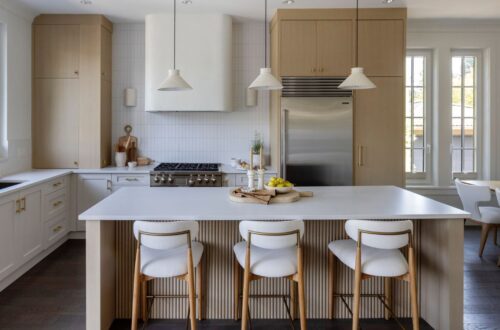
Instead of overwhelming a room with massive themed pieces, it is often better to introduce the style through carefully selected accents and vintage finds. In a kitchen, for instance, you might use a single vintage store counter as a central island while keeping the rest of the cabinetry clean and functional. This allows the special, character-filled pieces to stand out as focal points. By mixing these vintage moments with modern, functional elements like unlacquered brass details or unique cabinet cutouts, you create a space that feels happy and fresh. The goal is to give a nod to the theme without letting it dictate every single design choice in the room.
Opt for Coastal Cool Instead of Kitsch
The beach house aesthetic is perennially popular because it evokes a sense of relaxation and vacation-like serenity, even in homes that are nowhere near the coast. However, this is also one of the easiest themes to get wrong by leaning too heavily into literal decorations.
To achieve a tasteful coastal look, you should aim for a subtle interpretation of seaside motifs rather than using them in a literal sense. Instead of filling a room with artwork of anchors or pillows featuring fish prints, look for abstract ways to suggest the water and the sun. Using striped fabrics on a chair or incorporating rattan and light-colored wood can provide the “flavor” of the beach without being clichéd. When you balance these elements with a neutral base of whites, creams, and soft grays, the space feels sophisticated and airy. This approach creates a “vacation-at-home” mood that remains stylish throughout the entire year, regardless of the season.
Balance the Old with the New
If you are someone who loves the charm of history and antiques, it can be tempting to decorate an entire room with vintage pieces. While this passion is admirable, an entirely old room can often feel heavy, dark, and overly thematic.
The most successful vintage-inspired rooms are those that find a harmony between different eras. Experts recommend incorporating antique pieces sporadically rather than letting them dominate the entire floor plan. By pairing a set of mid-century chairs with a brand-new, modern dining table, you create a balanced look that feels relevant to modern living. The same rule applies to decorative accessories; mixing old terracotta urns or vintage books with contemporary vases and bowls helps to ground the room. This blend ensures that the lighting and artwork feel fresh, even if they are reminiscent of a bygone era, resulting in a home that feels timeless rather than dated.
Refine Your Approach to Romantic Spaces
Romantic design is often misunderstood as being synonymous with floral prints and an abundance of pink. While these can be lovely in moderation, an excess of them can make a bedroom feel tacky and overly sentimental.
To create a truly romantic space that feels sophisticated, you should look toward more refined color combinations and heritage fabrics. Shades like coral, sea green, and muted rose offer a fresh take on the romantic theme without being too obvious. Starting with a single, curvaceous piece of furniture, such as a beautifully shaped headboard, can set the tone for the entire room. From there, you can layer in folksy patterns and soft textiles that enhance the mood without overwhelming the senses. This approach creates a charming and peaceful retreat that feels grown-up and elegant rather than cutesy.
Take an Abstract Path with Patterns
Leaning into a specific look is much easier when you focus on the underlying shapes, materials, and colors rather than just the patterns themselves. Abstracting a theme allows you to capture the essence of a style without being bogged down by clichéd imagery.
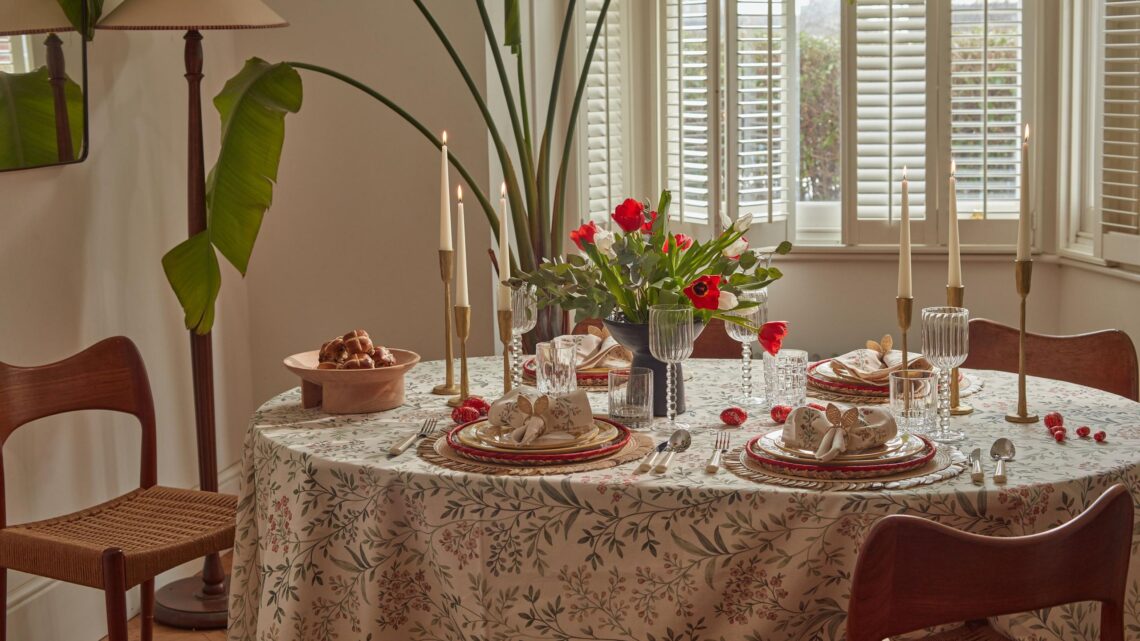
If you are interested in a botanical theme, for example, you can achieve a modern version of the look by focusing on natural textures and a restricted color palette. Using a bold, leaf-print wallpaper on a single accent wall paired with furniture made from natural fibers can create a delightfully contemporary feel. By playing with different surfaces and taking care with how colors are distributed, you can avoid overwhelming the senses with too much detail. This method allows the theme to be felt rather than just seen, creating a sophisticated environment that will remain stylish for many years to come.