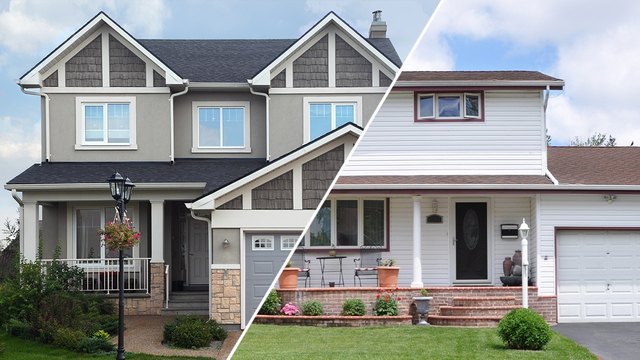
Choosing between a new construction home and an older property? It’s one of the biggest decisions you’ll face in today’s real estate market. Each option brings its own set of advantages and potential challenges that can shape your daily living experience, impact your wallet, and influence your long-term happiness. Getting a handle on the fundamental differences between these two types of homes helps you make choices that actually align with your lifestyle, budget realities, and where you see yourself down the road. The conversation around new versus old construction keeps shifting as building technologies get smarter, and preservation efforts breathe new life into older housing stock.
Energy Efficiency and Modern Building Standards
There’s no getting around it: new construction homes simply outperform older properties when it comes to energy efficiency. They’re built with the latest codes and environmental standards baked right in, which translates to noticeably lower utility bills each month. These homes feature advanced insulation materials that actually work, high-performance windows with low-E coatings, and HVAC systems designed to keep you comfortable without burning through energy. Modern building techniques aren’t just buzzwords, they include proper air sealing, improved ventilation that keeps air fresh without wasting energy, and strategic placement of thermal breaks that stop heat from escaping.
Older homes tell a different story. They were built when energy efficiency wasn’t even on the radar, which means higher heating and cooling costs that can really add up over time. Single-pane windows, insulation that barely exists, and HVAC systems running on outdated technology all contribute to energy waste, and those uncomfortable hot or cold spots you notice throughout the year. Sure, you can retrofit an older home with better insulation, new windows, and modern heating systems, but these upgrades represent serious additional investments that need to factor into your overall budget.
Maintenance Requirements and Warranty Protection
The maintenance picture between new and older homes? It’s dramatically different. New construction gives you a significant advantage through minimal immediate repair needs and solid warranty coverage that actually protects you. Everything in a new home is brand-new, appliances, roofing systems, plumbing fixtures, electrical components, and they’re all designed to run smoothly for years without much attention. Builders typically back their work with warranties covering structural defects, mechanical systems, and major components for anywhere from one to ten years, giving you financial protection against those surprise repairs that can derail your budget.
Older homes present a completely different maintenance reality. You should expect to address aging systems and components that have lived well beyond their intended lifespan, often within your first few years of ownership. We’retalking about potential expenses for roof replacement, HVAC system upgrades, plumbing repairs, and electrical system modernization that can hit your wallet hard. These homes have a tendency to reveal hidden issues during inspections or shortly after you move in, foundation problems, outdated wiring that could pose safety hazards, or plumbing systems with pipes that are basically ticking time bombs.
Customization Options and Design Flexibility
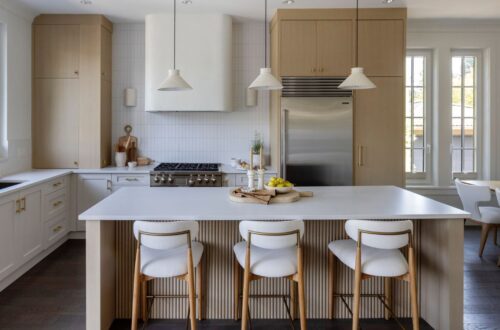
New construction homes really shine when it comes to customization opportunities. You get to select finishes, layouts, and features that actually reflect who you are and how you live. Many builders run design centers where you can choose everything from flooring materials and cabinetry styles to countertop options, paint colors, and fixture finishes before they even break ground. If you get in early enough in the development process, you might even influence floor plan modifications, room configurations, and structural elements to create a living space that’s genuinely yours.
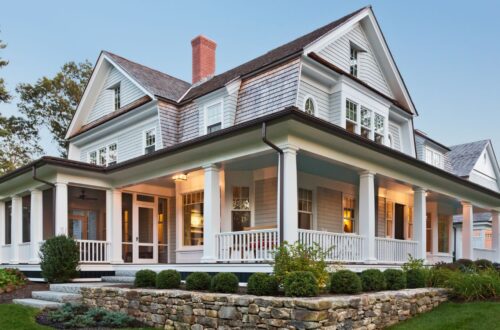
Older homes offer their own flavor of customization potential. They provide established structures with unique architectural character that you can renovate and adapt to blend historical charm with modern living. These properties often showcase distinctive design elements you just can’t find anymore, original hardwood floors with actual character, decorative moldings crafted by hand, built, in shelving that was custom-made, and craftsmanship details that modern construction can’t replicate. Renovation projects in older homes let you express creativity and achieve that perfect balance between preserving what makes the house special and updating it for contemporary functionality.
Location and Neighborhood Considerations
Where your home sits matter just as much as the home itself, and location dynamics between new construction and older homes can significantly shape your daily life, community experience, and how your property value evolves. New construction developments typically pop up in suburban or exurban areas where there’s actually land available, and development costs make sense for large-scale projects. These communities often come up with planned amenities, parks, walking trails, community centers, swimming pools, that enhance your recreational options and help neighbors actually get to know each other. For families relocating to growing metropolitan areas, Quality new homes in Dallas/ Fort Worth provide modern amenities within master-planned communities designed for contemporary lifestyles. The flip side? New developments typically lack those established trees, mature landscaping, and settled character that only develops as communities age and evolve naturally. Infrastructure in these areas, schools, shopping centers, entertainment venues, may still be catching up, which could mean driving farther for essentials and activities. The upside lies in modern infrastructure, well-planned street layouts, and communities designed with how we actually live and move around today in mind.
Older homes predominantly exist in established neighborhoods where trees have had decades to grow; infrastructure is fully developed, and you’re closer to urban centers, cultural attractions, and where people actually work. These locations offer walkable communities, diverse architectural styles, and the character that emerges naturally from decades of neighborhood evolution and residents who’ve invested in making their corner of the world better. Established areas typically provide better access to quality schools with proven track records, diverse shopping and dining options that developed organically, and public transportation networks that can genuinely reduce your commuting stress and dependence on driving everywhere. The trade-off? You might encounter concerns about aging infrastructure, older water and sewer systems, narrower streets designed when traffic looked completely different, and parking situations that weren’t planned for households with multiple cars.
Cost Comparison and Long-Term Value
The financial side of choosing between new construction and older homes goes way beyond just comparing purchase prices. You need to think about insurance costs, ongoing maintenance expenses, and how your investment might grow over time. New construction homes typically carry premium price tags reflecting current construction costs, modern amenities, and energy, efficient features that’ll save you money for years to come. While you’re paying more upfront, you benefit from predictable expenses during the warranty period, lower insurance premiums thanks to modern safety features and construction methods, and reduced utility costs that help offset those higher mortgage payments.
Older homes often present lower entry prices, creating real opportunities to get into desirable established neighborhoods without breaking the bank. That reduced purchase price leaves room in your budget for renovations if you’re interested in updating features or customizing spaces to match your style. However, honest cost analysis must include potential expenses for immediate repairs, system replacements, and energy inefficiency that can accumulate substantially during your first several years of ownership. Insurance costs for older homes typically run higher because of aging electrical systems, plumbing that could spring leaks, and construction methods that don’t necessarily meet today’s safety standards.
Conclusion
Deciding between new construction and older homes requires thoughtfully weighing numerous factors, energy efficiency, what maintenance really entails, how much you can customize, where you want to live, and the overall financial picture. New construction offers modern amenities, genuine energy savings, warranty protection, and customization opportunities that appeal to buyers seeking convenience, predictability, and living spaces designed for how we live today. Older homes provide established locations, unique character, more accessible entry prices, and the charm of historical craftsmanship that resonates with buyers who value community maturity and architectural distinction. Neither optionemerges as universally superior because the ideal choice depends entirely on your specific circumstances, what matters most to you, and your long-term housing goals.