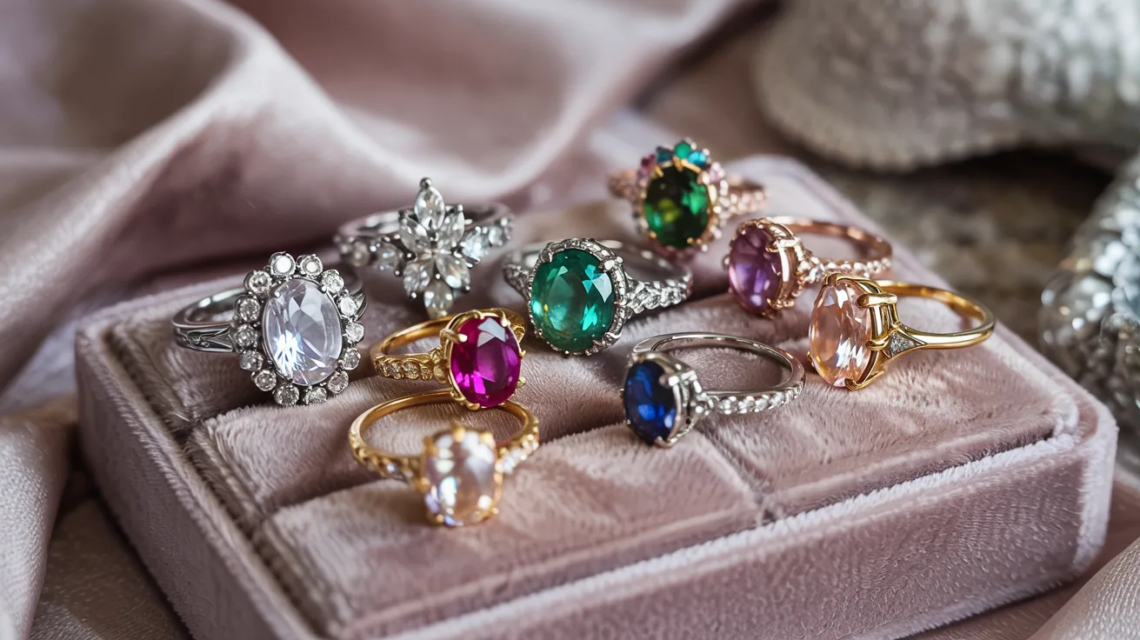
Introduction: A New Era of Conscious Luxury
The jewelry industry has long been associated with beauty, status, and timeless craftsmanship. Gold, in particular, has symbolized wealth and cultural heritage across civilizations for thousands of years. Yet in recent decades, growing awareness about environmental impact, mining practices, and ethical sourcing has transformed how consumers view precious metals. Buyers today are not only interested in the sparkle of jewelry but also in the story behind it.
This shift in mindset has given rise to two significant movements within the jewelry world: ethical gold sourcing and culturally inspired gold traditions such as Ganesha-themed gold. Ethical gold emphasizes responsible mining, fair labor practices, and environmental sustainability. At the same time, designs inspired by spiritual symbols—especially those connected to the revered Hindu deity Ganesha—have gained Ganesha Gold international popularity among designers and collectors.
Together, these trends reflect a broader transformation in luxury markets. Jewelry is no longer judged solely by weight or purity; it is increasingly valued for its meaning, ethical origins, and cultural depth. As a result, ethical gold and Ganesha-inspired designs are becoming powerful influences in the modern jewelry industry.
The Global Shift Toward Ethical Gold
For centuries, gold mining operated with little oversight. In many regions, mining activities led to environmental damage, unsafe labor conditions, and exploitation of workers. As information about these practices became more widely known, consumers began questioning where their jewelry came from and how it was produced.
This concern sparked the ethical gold movement. Ethical gold refers to gold that is mined, processed, and traded under strict guidelines designed to protect both people and the environment. Responsible mining operations aim to minimize ecological harm while ensuring that miners receive fair wages and safe working conditions.
The growing popularity of ethical sourcing reflects a broader cultural shift toward responsible consumption. Today’s consumers want to support industries that respect human rights and environmental sustainability. Jewelry brands have responded by adopting transparent supply chains and partnering with certified mining communities.
Ethical gold has also become an important marketing advantage. When buyers know their jewelry has been produced responsibly, it adds emotional value to the piece. Instead of simply wearing an accessory, customers feel they are supporting a more sustainable and ethical global economy.
Cultural Inspiration and the Symbolism of Ganesha
While ethical sourcing focuses on responsible production, cultural symbolism plays an equally powerful role in modern jewelry design. One of the most widely recognized spiritual symbols incorporated into gold jewelry is the image of Ganesha, a beloved figure in Hindu tradition.
In Hindu belief, Ganesha is known as the remover of obstacles and the bringer of prosperity, wisdom, and new beginnings. His distinctive elephant head and calm, benevolent presence make him one of the most recognizable spiritual icons in the world.
Jewelry designers often incorporate Ganesha motifs into pendants, rings, bracelets, and medallions. These pieces are not only decorative but also deeply symbolic. Many wearers believe that carrying an image of Ganesha can bring protection, luck, and positive energy.
The global popularity of Ganesha-inspired jewelry demonstrates how cultural traditions can influence modern fashion. While the symbol originates in South Asian spirituality, it is now appreciated by collectors and jewelry enthusiasts worldwide.
In countries like India, Ganesha-themed gold jewelry holds both spiritual and cultural significance, often gifted during religious festivals, weddings, and major life milestones.
The Intersection of Tradition and Modern Design
One reason for the rise of Ganesha gold jewelry is its ability to blend ancient symbolism with modern craftsmanship. Designers today combine traditional iconography with contemporary aesthetics, creating pieces that feel both timeless and fashionable.
Minimalist gold pendants featuring subtle Ganesha engravings are popular among younger consumers who prefer understated elegance. At the same time, elaborate pieces with detailed carvings and gemstone accents appeal to collectors who appreciate intricate artistry.
Advances in jewelry manufacturing technology have also allowed designers to experiment with new textures, shapes, and finishing techniques. Laser engraving, 3D modeling, and precision casting enable jewelers to create highly detailed Ganesha designs that were difficult to produce in earlier generations.
This fusion of heritage and innovation allows Ganesha gold jewelry to remain relevant in an ever-changing luxury market.
Ethical Gold and Spiritual Jewelry: A Natural Partnership
The combination of ethical gold sourcing and spiritually inspired design creates a powerful narrative for modern jewelry. Both concepts emphasize responsibility, respect, and deeper meaning.
Ethical gold reflects a commitment to fairness and environmental care, while Ganesha symbolism represents wisdom, prosperity, and harmony. When these two ideas come together in a single piece of jewelry, they create a product that resonates emotionally with consumers.
For many buyers, this combination transforms jewelry into something more meaningful than a luxury accessory. A Ganesha pendant crafted from ethically sourced gold can symbolize both personal spirituality and global responsibility.
As a result, many contemporary jewelry brands are embracing this fusion of ethics and symbolism as part of their brand identity.
The Influence of Global Luxury Brands
Major luxury jewelry houses have played an important role in promoting ethical sourcing and culturally inspired designs. As sustainability becomes a priority in the luxury sector, many companies are reevaluating their supply chains and adopting responsible sourcing policies.
Consumers now expect transparency from luxury brands. Companies that openly communicate their sourcing practices often gain greater trust from buyers. Ethical gold certifications and traceable supply chains help brands demonstrate their commitment to responsible production.
At the same time, global designers frequently draw inspiration from diverse cultures when creating new collections. Ganesha motifs, traditional Indian patterns, and spiritual symbols have all appeared in contemporary jewelry lines.
This cross-cultural exchange reflects the increasingly global nature of design. Jewelry trends are no longer confined to one region; they evolve through a blend of traditions from around the world.
The Role of Artisans and Craftsmanship
Behind every piece of gold jewelry lies the skill of artisans who transform raw metal into works of art. In regions with long histories of gold craftsmanship, jewelers pass their techniques from one generation to the next.
Traditional goldsmiths often specialize in hand-carving religious symbols, including detailed depictions of Ganesha. These artisans combine artistic talent with cultural knowledge, ensuring that each design respects its spiritual significance.
Ethical gold initiatives often support small-scale mining communities and artisan workshops. By working directly with these craftsmen, jewelry brands can preserve traditional skills while providing stable income opportunities.
This collaboration between ethical sourcing and traditional craftsmanship strengthens the cultural and economic sustainability of the jewelry industry.
Consumer Demand and the Future of Ethical Jewelry
The growing popularity of ethical and symbolic jewelry reflects a larger transformation in consumer values. Modern buyers are increasingly thoughtful about the products they purchase and the impact those purchases have on the world.
Jewelry is particularly well suited to this shift because it already carries emotional meaning. Engagement rings, heirlooms, and ceremonial pieces often mark important life moments. When such jewelry is created responsibly, it adds another layer of significance to these memories.
Young consumers, especially, are driving demand for ethically sourced materials. Many prefer brands that prioritize sustainability, transparency, and cultural authenticity.
As these preferences continue to shape the market, ethical gold and spiritually inspired designs are likely to become even more prominent in the coming years.
Conclusion: A Meaningful Evolution in Gold Jewelry
The rise of ethical gold and Ganesha-inspired jewelry represents more than a trend; it signals a deeper evolution in the jewelry industry. Consumers today seek products that align with their values, respect cultural heritage, and contribute positively to the world.
By combining responsible sourcing with powerful spiritual symbolism, jewelry designers are creating pieces that resonate far beyond aesthetics. Ethical gold ensures that the beauty of jewelry does not come at the cost of environmental damage or human exploitation. At the same time, the enduring image of Ganesha connects modern designs with centuries of cultural tradition.
From artisan workshops to global luxury brands, the industry is gradually embracing a more thoughtful and sustainable approach to gold jewelry. As awareness continues to grow, the fusion of ethics, culture, and craftsmanship will likely shape the future of jewelry design.
In this new era of conscious luxury, gold is no longer valued solely for its rarity or shine. Its true worth lies in the stories it carries, the traditions it honors, and the positive impact it leaves behind.