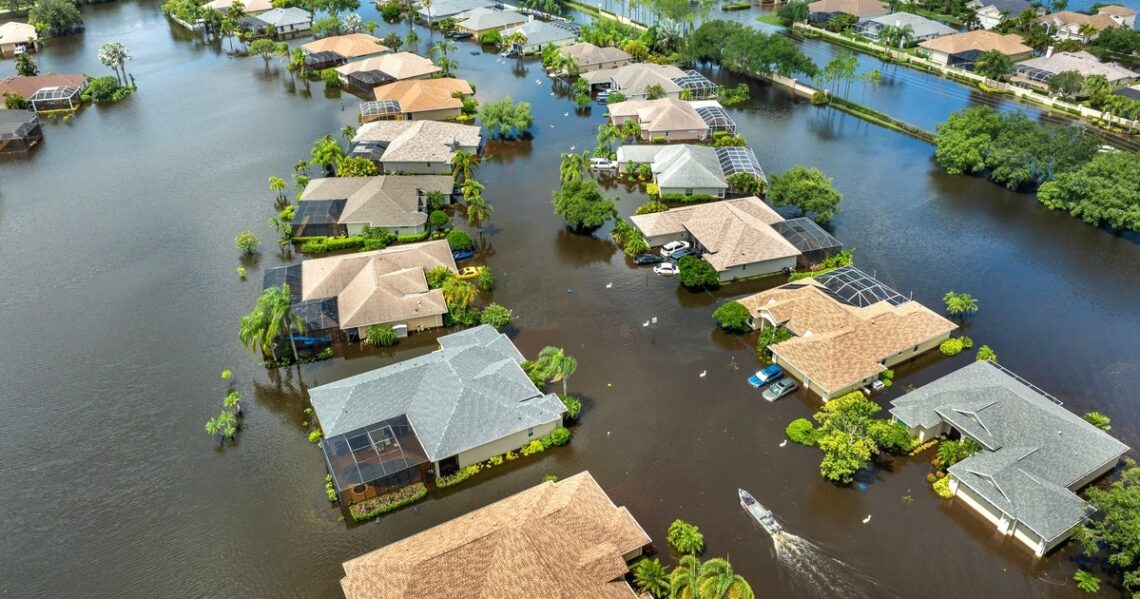
When catastrophic flooding strikes, the damage can be staggering. At the billion-dollar scale, these events affect entire communities, infrastructure, and industries. The first site visit by a rapid response team is crucial in determining how to minimize damage, protect property, and begin the long recovery process. These teams have the expertise to assess the situation quickly, prioritize tasks, and implement effective strategies to prevent further loss. This is why disaster event recovery for businesses and insurers becomes a top priority, ensuring that both short-term and long-term recovery efforts are handled with precision. Let’s dive into the essential steps they take when facing this kind of monumental challenge.
The First Hours: A Race Against Time
The moments following a major flood are critical. Every second counts, especially when dealing with valuable assets and infrastructure. As soon as the floodwaters subside enough to allow safe entry, rapid response teams mobilize to assess the situation. The first site visit is not only about securing the area but also about evaluating the extent of the damage.
The primary goal during this initial visit is to stabilize the situation. Rapid response teams work hand-in-hand with local authorities, emergency responders, and sometimes even military personnel to ensure safety while gathering information on the impact. This includes assessing structural damage, safety hazards like downed power lines, and the viability of returning workers and residents to the site.
1. Securing the Safety of the Area
One of the most immediate priorities is safety. Floodwaters often conceal hazards, from unstable buildings to hazardous materials. First responders focus on securing the perimeter and identifying any immediate threats that could harm individuals.
Once the floodwaters have receded enough for access, the first task is to ensure that any remaining floodwater doesn’t pose an additional risk. Rapid response teams may deploy water pumps to drain standing water from affected areas, reducing the likelihood of mold and further damage.
Fun fact: The largest flood in U.S. history occurred in 1927, when the Mississippi River flooded and caused $1 billion in damage—equivalent to $15 billion today.
2. Conducting a Rapid Damage Assessment
After securing the safety of the area, the next step is damage assessment. The team needs to get a quick but accurate understanding of how far-reaching the flood’s effects are. This may include inspecting structural damage to buildings, bridges, and roads, as well as determining whether water has seeped into electrical systems, plumbing, or machinery.
At this stage, professionals use a mix of visual inspection and advanced technology like drones and thermal imaging to identify areas of concern. For example, drones can help assess roof damage or check for water inside a structure, making the assessment process faster and more accurate.
3. Salvaging What Can Be Saved
Once the immediate hazards are dealt with, the focus shifts to salvage operations. Rapid response teams prioritize retrieving valuable items, especially in commercial and industrial settings. This can include anything from machinery and inventory to data servers and electrical systems. Time is crucial here, as the longer valuable items are exposed to water, the less likely they are to be saved.
In many cases, teams will also begin stabilizing the building itself to prevent further damage. This includes reinforcing weakened structures or even temporarily propping up damaged walls to avoid collapse.
4. Starting the Clean-Up Process
Floodwater can introduce a range of contaminants, from sewage and chemicals to mold and bacteria. In addition to physical damage, floodwaters present serious health risks. Therefore, rapid response teams prioritize immediate cleaning and sanitation. They begin by removing contaminated water and debris, followed by disinfecting surfaces to prevent the spread of diseases.
In high-risk environments, this may also include air filtration and mold mitigation efforts, which prevent long-term damage to both the structure and the health of anyone involved in recovery efforts.
5. Formulating a Recovery Plan
Once the immediate hazards are dealt with, and some clean-up has begun, rapid response teams start developing a long-term recovery plan. This involves coordinating with local governments, insurance companies, and restoration professionals. The plan is designed to restore the affected area to its pre-flood condition, while also addressing any new challenges presented by the disaster.
The recovery plan involves careful project management to ensure that all steps are taken in the correct order and that resources are allocated efficiently. This phase can take weeks, months, or even years, depending on the scope of the damage.
The Unsung Heroes of Catastrophic Flood Response
The impact of a catastrophic flood is truly overwhelming. However, rapid response teams play a crucial role in turning the tide. Their ability to assess damage quickly, prioritize critical tasks, and develop long-term solutions helps minimize losses and accelerate recovery.
While the billion-dollar price tag of a flood can seem daunting, the combined efforts of responders, cleanup crews, and recovery teams ensure that even the most catastrophic floods don’t spell the end for affected communities. These professionals work tirelessly behind the scenes, navigating challenges that most will never see, and ensuring that rebuilding can begin as soon as possible.
Flood damage at the billion-dollar scale requires a coordinated, multifaceted approach. The quick, decisive action taken by rapid response teams during the first site visit is critical to securing the area, assessing damage, and putting in place a recovery strategy. Their efforts lay the foundation for the months of work ahead and make the difference between a prolonged crisis and a successful recovery.