Commercial soap dispensers are a fundamental component of any modern facility. Whether outfitting a high-traffic airport, a busy corporate office, a fine dining restaurant, or a healthcare institution, choosing the right hand hygiene fixtures plays a critical role in maintaining cleanliness, controlling operational budgets, and elevating user experience. Although often overlooked, the humblest restroom fixture can significantly impact a facility’s maintenance demands, hygienic standards, and overall brand perception.
Understanding the main types, mechanisms, and installation styles available allows facility managers, architects, and business owners to make informed purchasing choices. Here is a comprehensive overview of commercial soap dispensers, including key categories, operational choices, and selection criteria.
Commercial Manual Soap Dispensers
Manual commercial soap dispensers are time-tested fixtures that rely on a physical push-bar, pump, or button to deliver a pre-measured dose of soap. Known for their sheer reliability and simple mechanics, manual systems remain popular in environments where simplicity and low upfront costs are top priorities.
Because they operate without electrical components or batteries, manual dispensers require virtually no technical troubleshooting. They are extremely durable, easy for maintenance staff to clean, and capable of operating continuously without the risk of power failure. High-quality manual dispensers manufactured from heavy-duty stainless steel or high-impact ABS plastic can withstand decades of heavy use and intentional vandalism.
However, manual dispensers require users to make direct physical contact with the pump mechanism. In settings where cross-contamination is a primary concern, such as hospital operating rooms, commercial kitchens, or cleanrooms, manual units are frequently passed over in favor of touchless alternatives. Nevertheless, for budget-conscious installations, school districts, and low-risk commercial spaces, manual dispensers offer an exceptionally cost-effective hand hygiene solution.
Commercial Automatic Soap Dispensers
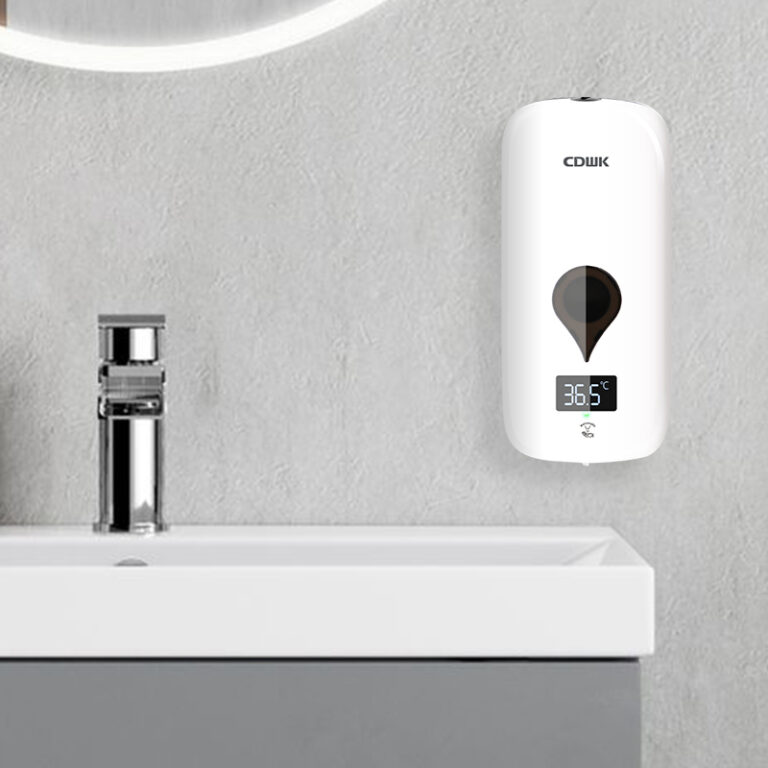
Automatic commercial soap dispensers, commonly referred to as touchless or sensor-activated dispensers, represent the current industry standard for modern facilities. These units utilize infrared sensor technology to detect the presence of hands beneath the spout, automatically dispensing a precise quantity of liquid, foam, or sanitizer without requiring physical touch.
The major advantage of automatic systems is superior hygiene. By eliminating touch points, facilities significantly reduce the spread of surface-dwelling bacteria, viruses, and germ colonies. Touchless dispensers also contribute to a cleaner restroom aesthetic, as users do not need to press dripping wet hands against wall surfaces or pump levers.
From an operational standpoint, automatic units help control long-term material costs. Most touchless dispensers are programmed to deliver a controlled, consistent dose of soap per activation, preventing patrons from over-dispensing and reducing unnecessary waste. While automatic systems do require an ongoing power supply—typically provided by long-lasting alkaline batteries or hardwired electrical connections—the hygiene benefits and sleek, modern presentation make them the preferred choice for forward-thinking commercial properties.
Wall Mounted Commercial Soap Dispensers
Wall mounted commercial soap dispensers are the most widely specified dispenser type across industrial and commercial spaces. Fixed directly to vertical surfaces above or adjacent to handwashing sinks, wall mounted units maximize available counter space and simplify sink cleaning routines.
These dispensers are available in a broad range of surface finishes and profiles. Recessed or semi-recessed wall mounted models sit flush within the wall construction, offering a sleek look that complies with architectural accessibility requirements like ADA regulations by minimizing hallway and pathway protrusion. Surface-mounted options are quick to install on existing tile, drywall, or masonry surfaces, making them ideal for quick retrofits and budget upgrades.
When evaluating wall mounted models, material selection is essential. Stainless steel finishes, such as brushed or polished 304-grade stainless steel, offer superior rust resistance, structural strength, and classic aesthetic appeal that matches standard commercial washroom hardware. Molded plastic options offer lightweight durability and budget flexibility for back-of-house or utility areas.
Deck Mounted Commercial Soap Dispensers
Deck mounted commercial soap dispensers are installed directly into the countertop surface or fixture ledge alongside handwashing faucets. By positioning the spout directly over the sink bowl, deck mounted dispensers keep liquid drips within the basin area, preserving cleaner countertop surfaces and simplifying routine cleaning.
These systems are ideal for high-end corporate environments, boutique hotels, executive washrooms, and luxury retail centers where visual appeal is paramount. Many modern deck mounted setups conceal their soap reservoirs and motor housings beneath the counter deck, leaving only an elegant, minimalist spout visible to the user.
Maintenance considerations for deck mounted fixtures often involve refilling mechanisms. Higher-end models feature top-fill designs that allow maintenance personnel to refill the soap reservoir directly from above the counter, eliminating the need for staff to climb underneath sink vanities. Multi-feed deck systems can also link multiple spouts to a single large soap reservoir concealed beneath the counter, reducing maintenance frequency across high-traffic multi-sink vanity installations.
Key Features to Consider When Buying Commercial Soap Dispensers
To ensure long-term performance, evaluate several critical factors before finalizing your specification:
Capacity and Refill Mechanisms: Large capacity reservoirs (typically 800 ml to 1500 ml) reduce the labor required for frequent refilling in high-traffic facilities. Consider whether bulk-fill systems (which allow managers to pour open-market liquid soap directly into the tank) or sealed cartridge systems (which offer higher sanitary guarantees) better align with your maintenance strategy.
Liquid, Foam, or Spray Compatibility: Soap formulation directly affects user satisfaction and operational budget. Foam dispensers are increasingly popular because foam soap requires less water to rinse, cuts product consumption per wash, and creates less mess. Ensure the dispenser model matches your intended fluid type, whether liquid soap, foam soap, or alcohol-based hand sanitizer.
Vandal Resistance and Security: In public park facilities, transit stations, and educational institutions, public fixtures are prone to heavy wear or tampering. Opt for heavy-gauge metal housings, concealed mounting brackets, and keyed locking mechanisms to prevent unauthorized access to internal reservoirs.
Power Sources for Touchless Systems: Evaluate whether battery power or hardwired AC adapters best fit your infrastructure. Battery-operated units offer flexible placement without needing electrical rough-ins, while hardwired options eliminate battery replacement cycles entirely.
Commercial soap dispensers are essential fixtures that balance sanitation, aesthetic presentation, and operational efficiency. Specifying the proper style and mechanism ensures a hygienic environment for occupants while keeping facility maintenance straightforward and cost-effective.