Waste management is a cornerstone of modern infrastructure, public health, and urban planning. Behind every clean park, efficient office building, orderly restaurant, and well-maintained residential neighborhood is a network of reliable waste receptacles. Choosing the right trash can manufacturer is one of the most critical decisions procurement managers, facility directors, and business owners can make.
The global waste receptacle industry has evolved far beyond basic metal bins and plastic buckets. Today, leading manufacturers blend material science, ergonomic engineering, smart technology, and architectural design to create solutions tailored to specific environments. Understanding the industry landscape, manufacturing processes, material choices, and customization options helps organizations select a vendor that delivers durability, aesthetic value, and long-term cost efficiency.
The Role of a Quality Trash Can Manufacturer in Modern Infrastructure
A reputable trash can manufacturer does far more than assemble containers. They act as strategic partners in public sanitation, corporate sustainability, and facility management. Modern waste receptacles must withstand extreme environmental conditions, heavy daily usage, potential vandalism, and strict regulatory compliance standards.
Top-tier manufacturers invest heavily in research and development to address evolving consumer and municipal demands. For instance, the rise of corporate recycling initiatives and municipal zero-waste goals has forced manufacturers to engineer multi-stream waste and recycling stations. These units feature color-coded lids, restricted opening shapes, and clear signage to minimize cross-contamination.
Working directly with an experienced manufacturer allows clients to source products designed for specific floor plans, foot-traffic levels, and aesthetic schemes. Whether designing heavy-duty outdoor receptacles for public parks or sleek, sensor-activated stainless steel bins for luxury hotel lobbies, a quality manufacturer provides the expertise needed to balance form and function.
Essential Criteria for Evaluating a Trash Can Manufacturer
Selecting the right manufacturing partner requires evaluating several core capabilities beyond unit price. Focusing on these criteria ensures long-term ROI and minimizes maintenance overhead.
Material Variety and Quality Standard
Different environments require distinct material compositions. A top manufacturer should offer a diverse portfolio of high-grade materials:
- Stainless Steel: Ideal for indoor commercial spaces, healthcare facilities, and high-end retail due to its corrosion resistance, sleek appearance, and ease of sanitization.
- High-Density Polyethylene (HDPE) and Polypropylene (PP): Essential for heavy-duty commercial outdoor bins and residential roll-out carts. These plastics must be UV-stabilized to prevent cracking, fading, and warping under prolonged sunlight.
- Powder-Coated Steel and Aluminum: Widely used for urban streetscapes and park benches. Powder coating provides superior weather resistance and allows for custom brand color matching.
- Recycled Plastic Lumbers: An increasingly popular eco-friendly option for park and resort settings, offering wood-like aesthetics without the risk of rotting, splintering, or insect damage.
Production Capacity and Customization Capabilities
Whether outfitting a single corporate headquarters or supplying an entire municipal department, the manufacturer must demonstrate the capacity to scale. Look for facilities equipped with automated injection molding, precision laser cutting, robotic welding, and high-volume powder coating lines. Customization capabilities—such as custom laser-cut logos, specific pantone color matching, anti-graffiti coatings, and specialized lid openings—are crucial for branding and site-specific needs.
Industry Compliance and Certification
Waste receptacles used in commercial and public spaces must satisfy strict safety and accessibility guidelines. Reliable manufacturers build products that comply with key industry standards:
- ADA Compliance: Ensuring reach range, operation mechanisms, and height requirements are accessible to individuals with disabilities.
- OSHA Standards: Meeting ergonomic standards to protect sanitation workers from lifting injuries.
- Fire Safety Ratings: Utilizing self-extinguishing designs or UL-listed materials to prevent fire hazards in office and industrial environments.
Innovative Trends Driving the Trash Can Manufacturing Industry
The trash can manufacturing sector is undergoing a technology-driven transformation. Innovative trends are reshaping how containers are manufactured, monitored, and maintained.
Smart Trash Cans and IoT Integration
Leading manufacturers now integrate Internet of Things (IoT) sensors into high-capacity public and commercial bins. These sensors monitor fill levels in real time and transmit data to facility operations teams. Smart bins enable dynamic collection routes, reducing fuel consumption, labor costs, and overflow incidents. Solar-powered trash compactors manufactured for high-traffic tourist areas can hold up to five times the volume of traditional bins, drastically reducing collection frequency.
Touchless and Hygienic Designs
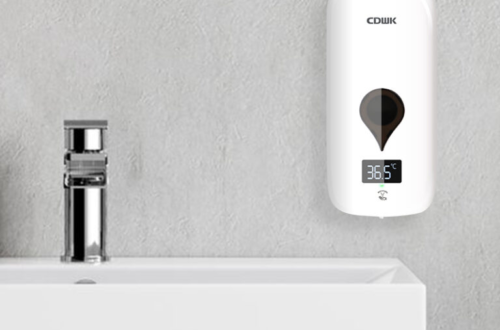
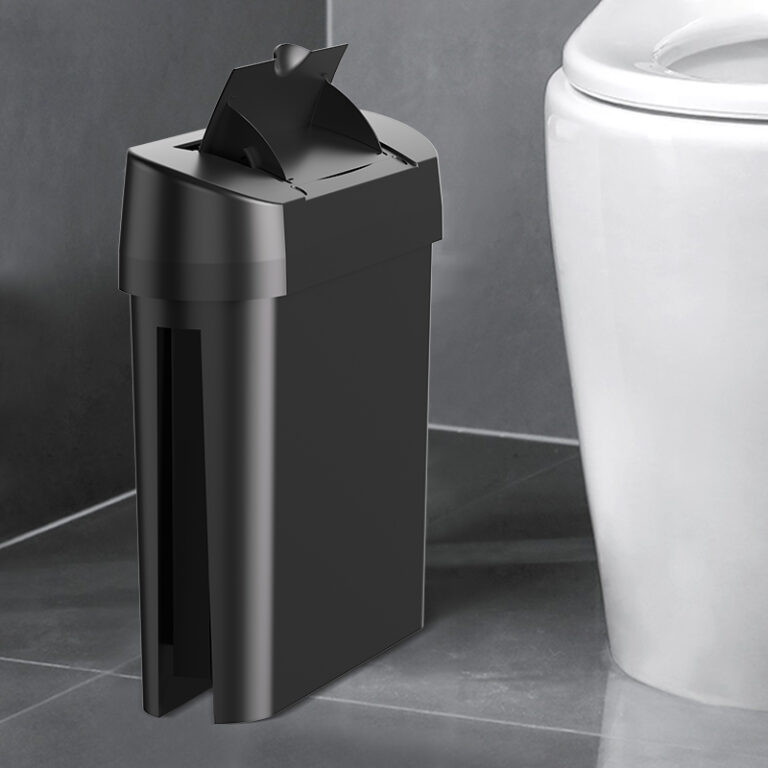
In healthcare, hospitality, and food service sectors, touchless operation is a standard expectation. Manufacturers utilize infrared motion sensors, durable foot-pedal mechanisms, and antimicrobial surfaces to minimize cross-contamination and support high hygiene standards.
Sustainable and Circular Manufacturing
Sustainability extends beyond sorting trash; it applies to the manufacturing process itself. Leading manufacturers prioritize post-consumer recycled (PCR) plastics, closed-loop scrap metal recycling, energy-efficient molding equipment, and non-toxic powder finishes to lower their carbon footprint.
Common Applications Across Key Commercial Sectors
Different commercial sectors present unique operational challenges, requiring specialized receptacle designs from manufacturers.
Municipal and Public Parks
Outdoor public bins require maximum durability, weatherproofing, and security. Features like anchored concrete or bolt-down bases, heavy-gauge steel shells, rain hoods, and lockable service doors prevent theft, animal intrusion, and windblown litter.
Hospitality and Corporate Offices
Interior receptacles emphasize sleek design, space efficiency, and quiet operation. Multi-compartment recycling stations, soft-close hinged lids, and fingerprint-resistant stainless finishes help maintain professional interior decor while encouraging workplace recycling habits.
Industrial and Healthcare Facilities
Manufacturing plants, warehouses, and medical facilities demand specialized waste containment. Heavy-duty tilt trucks, hazardous waste step-on cans, biohazard containers, and fire-safe ash/trash combos are engineered to meet strict safety regulations and survive harsh industrial usage.
How to Establish a Direct Partnership with a Manufacturer
Partnering directly with a trash can manufacturer provides distinct advantages over buying through third-party distributors, including bulk pricing, direct quality control, and custom engineering support.
When reaching out to potential manufacturing partners, begin by preparing a comprehensive technical specification sheet outlining required dimensions, volume capacities, material specifications, expected traffic volume, and environmental conditions. Request product samples or physical material swatches to test finish quality, hinge durability, and wall thickness.
Evaluating warranty terms, spare part availability (such as replacement liners, lids, and wheels), and lead times will ensure a smooth procurement process and guarantee that your facilities stay clean, compliant, and well-equipped for years to come.