Maintaining a comfortable temperature in the kitchen during a sweltering heatwave can feel like an uphill battle. Often referred to as the “heart of the home,” this room is a constant hive of activity where the simple act of preparing a meal can quickly turn the space into a localized furnace. When the outdoor temperatures begin to climb, the heat generated by stovetops, ovens, and even small appliances can make the environment almost unbearable for anyone trying to cook or gather. Fortunately, just as there are ways to keep the rest of your living space temperate, there are specific, practical strategies tailored to the unique environment of the kitchen. Whether you are looking for quick fixes or long-term design solutions, understanding how heat moves through this space is the first step toward relief. For those looking to optimize their entire property for better temperature control, professionals who design and build secondary units often emphasize that proper planning and airflow are essential for maintaining comfort in compact cooking areas. By implementing a few expert-approved tricks, you can reclaim your kitchen and enjoy your culinary routine regardless of the weather outside.
Rethink the Way You Use Your Appliances
To effectively lower the temperature in your kitchen, you must first address the primary sources of heat generation within the room.
Timing Your Culinary Tasks
One of the most effective ways to prevent your kitchen from overheating is to be strategic about when you use your most heavy-duty appliances. Ovens, stovetops, and deep fryers act like space heaters when they are running for extended periods, radiating warmth that lingers long after the meal is served. Experts suggest shifting your cooking schedule to the cooler parts of the day, such as the early morning or the late evening. By preparing larger batches of food during these windows, you can minimize the number of times you need to engage the heating elements during the peak heat of the afternoon. This proactive approach ensures that the “thermal mass” of your kitchen stays lower throughout the day, preventing the oppressive buildup of warmth that occurs when you cook a heavy meal at 2:00 PM.
Embracing High-Efficiency Alternatives
In addition to timing, the type of appliance you choose can make a world of difference in your daily comfort levels. Modern alternatives like air fryers, microwaves, and slow cookers are designed to cook food efficiently without venting massive amounts of hot air into the surrounding room. These devices are much more contained than a standard oven and use targeted heat to get the job done faster. Furthermore, it is not just the stove you need to worry about; your dishwasher also releases a significant amount of steam and heat during its drying cycle. Running the dishwasher only at night or early in the morning can keep that extra humidity and warmth out of the air during the day. Over the long term, investing in energy-efficient appliances can also help, as these units are often better insulated and designed to operate with less waste heat.
Mastering Airflow Through Windows and Doors
Properly managing the entry points of your kitchen is a fundamental component of temperature regulation that many homeowners overlook.
While it might seem intuitive to leave windows open all day to catch a breeze, doing so can actually be counterproductive if the air outside is hotter than the air inside. During the peak of a heatwave, the goal should be to trap the cooler night air inside and block out the midday sun. You can achieve this by keeping windows and doors tightly closed during the hottest hours and then throwing them open as soon as the sun goes down and temperatures drop. Creating a cross-breeze is particularly effective; by opening windows on opposite sides of the house, you create a natural vacuum that pulls hot, stagnant air out and replaces it with fresh, moving air. To ensure you can keep these pathways open without inviting unwanted pests into your cooking area, consider looking for retractable screen doors near you to provide a barrier that allows for maximum ventilation while maintaining the integrity of your home’s interior. This balance of physical barriers and open pathways is the most cost-effective way to stay cool without relying solely on expensive air conditioning units.
The Science of Effective Ventilation
A well-ventilated kitchen is not just about comfort; it is about the health of your home and the efficiency of your cooling efforts.
Maximizing Your Range Hood
The range hood above your stove is your first line of defense against rising temperatures. It is specifically engineered to capture and extract steam, grease, and hot air before they have a chance to circulate throughout the room. However, for a range hood to truly help cool the kitchen, it must be vented to the outside. Recirculating hoods simply filter the air and push it back into the room, which does nothing to lower the ambient temperature. When you are boiling water or sautéing vegetables, keep the fan on its highest setting to ensure that the heat is being physically removed from the building. Regular maintenance is also key, as a grease-clogged filter will significantly reduce the fan’s ability to pull air, making your kitchen feel stuffier and hotter than it needs to be.
Utilizing Ceiling and Exhaust Fans
In addition to the stove hood, other types of fans can play a major role in your cooling strategy. Exhaust fans placed near the ceiling are excellent at removing the hot air that naturally rises, while ceiling fans can help create a “wind-chill” effect. For maximum cooling, ensure that your ceiling fan is rotating in a counter-clockwise direction during the summer months; this pushes air straight down, creating a breeze that helps moisture evaporate from your skin, making you feel several degrees cooler. If you don’t have built-in fans, portable units placed in front of open windows can help pull in cool air or push out hot air, depending on their orientation. Just remember that fans cool people, not rooms, so be sure to turn them off when you leave the area to save energy.
Smart Layout and Design Choices
The physical arrangement of your kitchen and the furniture within it can either trap heat or help it dissipate more quickly.
The Advantages of Open Concepts
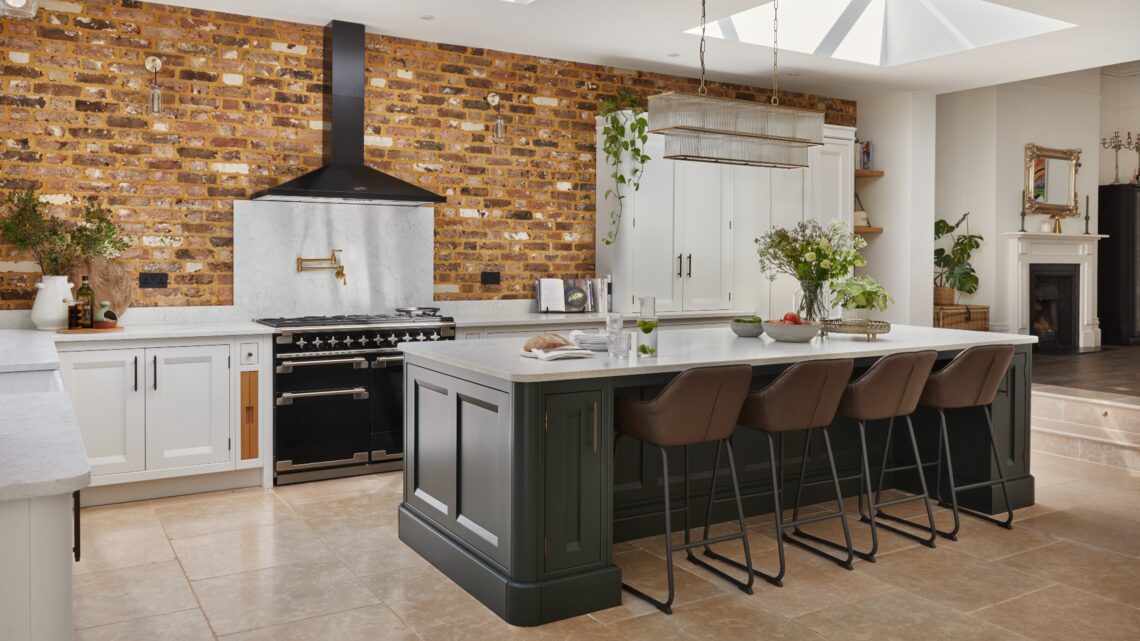
If you are in the process of planning a renovation, an open-concept layout is highly beneficial for temperature control. Small, enclosed kitchens tend to trap pockets of hot air, especially in corners or near the ceiling, where there is little circulation. By removing non-structural walls and opening the kitchen to the rest of the living space, you allow air to move more freely, preventing heat from concentrating in the area where you are trying to work. Furthermore, open layouts often benefit from better natural light, which reduces the need for artificial lighting that can contribute its own small amount of heat to the environment.
Strategic Appliance and Furniture Placement
Where you place your appliances can also impact how much heat stays in the room. Heat-generating units like the oven and stove should ideally be located near external walls or windows where ventilation is most effective. Your refrigerator also deserves special attention; it works by pulling heat out of its interior and venting it into your kitchen. If the fridge is tucked into a tight alcove without enough clearance for airflow, it will have to work harder and generate more heat in the process. Ensure there is a small gap between the back of the appliance and the wall. For those with limited space, using mobile furniture like rolling islands or bar carts can help you temporarily reconfigure the room to maximize airflow during the hottest days of the year.
The Impact of Color and External Shading
The visual elements of your kitchen, specifically the colors you choose and the way you block the sun, have a surprising impact on thermal comfort.
Darker colors are known for absorbing solar energy, which can cause surfaces to retain heat long after the sun has set. In contrast, light colors, particularly white or soft neutrals, have high solar reflectivity, meaning they bounce sunlight back rather than soaking it up. Painting your kitchen walls a light hue can actually help the room feel physically cooler. Beyond the walls, internal window treatments like thermal blinds or blackout curtains are essential for blocking the “greenhouse effect” caused by sunlight hitting glass. However, the most effective way to keep a kitchen cool is to stop the heat before it even touches your windows. External shading solutions, such as awnings, shutters, or even strategically planted trees, can block a massive percentage of solar heat, keeping your kitchen significantly more comfortable without the need for additional indoor cooling measures.