The living room is the undisputed center of domestic life, serving as a sanctuary for quiet evenings and a vibrant stage for hosting guests. Because this space endures constant foot traffic and heavy furniture, the flooring choice serves as the most important design decision you will make, acting as the literal foundation for your entire interior aesthetic. Wood flooring remains the gold standard for these high-use areas because it successfully bridges the gap between rugged durability and high-end elegance. Whether you are working with a cozy traditional cottage or a sleek contemporary loft, the natural warmth of timber creates a welcoming atmosphere that never goes out of style. As you look for ways to modernize your home and improve its long-term market value, the floor you install today will dictate the mood and flow of your living space for decades to come.
Selecting the right wood floor involves a careful dance between aesthetics and the practical realities of your lifestyle. It is not just about the color of the stain; it is about understanding how different wood species, plank widths, and installation patterns interact with the natural light and the dimensions of your room. A well-chosen floor can hide scratches from pets, withstand the spills of a busy family, and even improve the acoustics of a large, echoing space. By investing in a high-quality material from the start, you ensure that your home remains a place of comfort and beauty rather than a source of constant maintenance stress.
Expert designers often recommend looking at flooring as a long-term investment that should be researched with the same intensity as a kitchen renovation or a structural addition. Before you settle on a specific look, it is wise to explore a variety of textures and finishes to see how they perform under different lighting conditions throughout the day. You might find yourself searching for inspiration on sites like www.premierhardwood.net to compare how traditional solid planks stack up against modern engineered alternatives. Taking this extra step in the planning phase helps guarantee that the final result feels intentional, cohesive, and perfectly suited to your personal taste.
1. The Sophistication of Historical Parquet
Geometric wood patterns provide a sense of historical grandeur that instantly elevates a living room from ordinary to extraordinary. These designs often utilize intricate interlocking shapes to create a floor that feels more like a piece of bespoke furniture than a simple walking surface.
Traditional patterns like the basket weave or ornate palace-inspired layouts offer a continuous, rhythmic flow that leads the eye across the room. These styles are particularly effective in formal living areas where the architecture is grand and the ceiling heights are generous. Because these floors have been popular for centuries, they carry a “timeless” quality that allows them to pair beautifully with both antique furniture and ultra-modern statement pieces.
2. The Stability of High-Tech Engineered Wood
Modern engineering has transformed how we think about natural materials, offering a solution that combines the beauty of real wood with the resilience of advanced manufacturing. Engineered wood consists of multiple layers of timber bonded together in a cross-grain structure, which creates a board that is remarkably resistant to warping.
This structural stability makes it the premier choice for homeowners who want the luxury of real wood but need a floor that can handle fluctuations in temperature or moisture. Perhaps the greatest benefit of this material is its compatibility with underfloor heating systems, providing a cozy warmth that solid wood sometimes struggles to accommodate. It is a practical, long-lasting look that offers the same visual appeal as traditional planks with a fraction of the maintenance concerns.
3. The Minimalist Appeal of Wide Architectural Planks
In contemporary design, the trend has shifted toward “less is more,” and nothing embodies this better than wide board flooring. By using wider planks, you reduce the number of visible seams on the floor, which creates a more uniform and expansive look that makes any room feel significantly larger.
When you select a wood grade with minimal knots and grain variation, the floor takes on an architectural quality that feels clean and uncluttered. This look is especially effective in open-concept living rooms where you want the floor to serve as a quiet backdrop for bold furniture or vibrant artwork. Choosing a light-colored wood for these wide planks can further enhance the sense of airiness and light in the home.
4. The Rhythmic Energy of Herringbone Patterns
Herringbone and chevron patterns have seen a massive resurgence in recent years because they add a layer of texture and visual interest that standard straight planks simply cannot match. The zig-zagging motion of the wood staves creates a sense of energy and direction within the living room.
These patterns are highly versatile; a narrow stave in a dark finish can feel incredibly traditional, while a wider stave in a matte, light-oak finish feels fresh and modern. Beyond its beauty, a herringbone floor can be used strategically to lead the eye toward a focal point, such as a fireplace or a large picture window. It is a stylish way to add a “designer touch” to a renovation without cluttering the room with extra decor.
5. Custom Scaling for Unique Room Dimensions
The scale of your flooring pattern should always be tailored to the physical dimensions of your space to ensure the room feels balanced. In a very large living area, small patterns can look busy or “lost,” while in a small room, massive planks can feel overwhelming.
Designers often suggest using larger geometric panels in grand spaces to emphasize the scale of the home. Conversely, for an odd-shaped room with many corners, a simpler layout that flows seamlessly across the space is often the more practical and stylish choice. By choosing a floor scale that matches your room’s footprint, you create a harmonious environment that feels custom-built for your specific home.
6. Smart Zoning for Multi-Functional Areas
As more homes move toward open-plan layouts, the floor has become a vital tool for defining different “zones” within a single large room. You can use wood flooring to create a distinct boundary between a dining area and a relaxation zone without ever needing to put up a wall.
This is often achieved by subtly changing the direction of the wood grain or the installation pattern as you move from one area to the next. For instance, you might use a straight-plank layout for the main walkway and switch to a decorative parquet square for the central seating area. This technique provides a sense of organization and purpose to a large space, making it feel more intimate and well-planned.
7. The Rugged Charm of Wood-Look Porcelain
For households with high demands, think big dogs, messy kids, or frequent outdoor access, traditional wood can sometimes feel like a fragile choice. Porcelain tiles that perfectly mimic the appearance of wood planks have become a revolutionary option for the living room.
These tiles offer the visual warmth and character of timber but are completely waterproof and incredibly difficult to scratch. They are an ideal “practical look” for seamless transitions between a living room and an outdoor patio or a high-traffic entryway. With modern printing technology, the texture of these tiles is so realistic that it can be difficult to tell the difference between the porcelain and the real thing until you touch it.
8. Accessible Style with Luxury Vinyl Solutions
Not every renovation has the budget for high-end hardwood, but luxury vinyl tiles (LVT) have made it possible to achieve a premium look at a fraction of the cost. These floors are designed to be durable, easy to clean, and incredibly simple to install over existing surfaces.
LVT is particularly useful for large, open-plan living rooms where consistency is key. Because it is waterproof and compatible with heating systems, it offers a level of versatility that is hard to beat. It allows you to experiment with different wood tones and patterns, from dark walnuts to pale pines, without the permanent commitment or high price tag of solid timber.
9. Cozy Layering with Statement Rugs
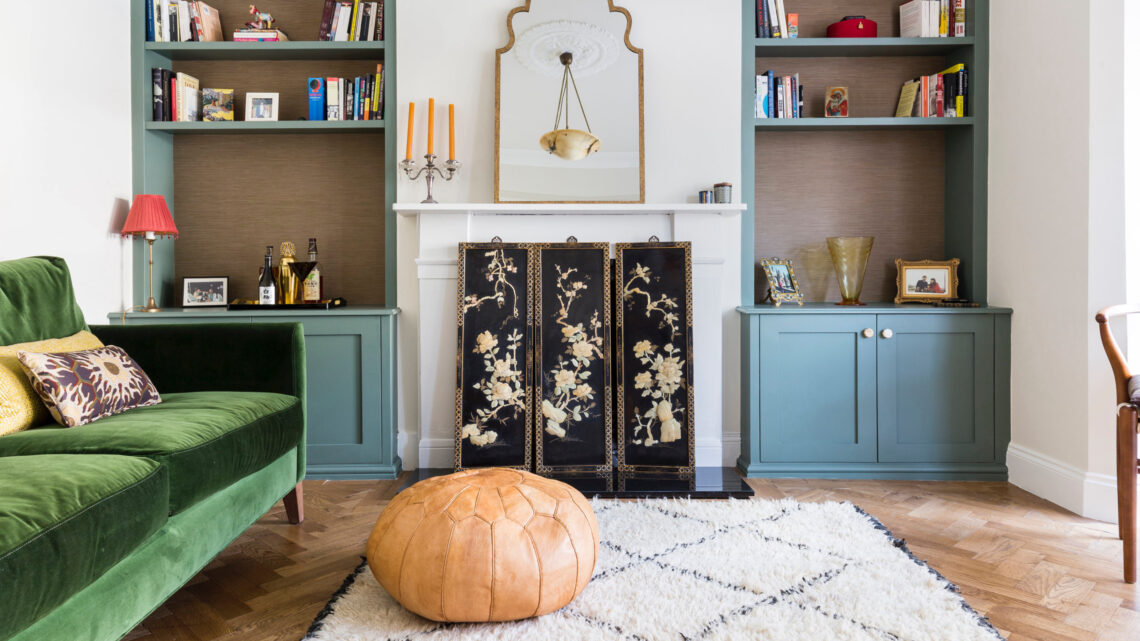
A wood floor is a beautiful foundation, but in a living room, it often needs the softening influence of textiles to truly feel “finished.” Layering a rug over your wood floor is a practical way to protect the timber in high-use areas while adding a cozy layer of comfort underfoot.
Rugs also serve a vital acoustic purpose, dampening the sound of footsteps and preventing a room from feeling too “echoey.” Whether you choose a thick, plush wool rug for a traditional feel or a flat-weave jute rug for a more organic look, the combination of hardwood and soft fabric creates a sophisticated, multi-dimensional environment. This is a great way to introduce color and pattern without permanently altering your floor.
10. Radiant Brightness with Painted Finishes
If you are looking for a way to instantly transform an existing wood floor, painting it white or a light-gray “wash” can have a dramatic effect. This look is a staple of coastal and Scandinavian design, as it reflects natural light and makes a small living room feel remarkably bright and breezy.
White-washed floors create a relaxed, lived-in feel that is perfect for a casual family room. While it does require a durable floor paint to withstand daily wear, the result is a unique and personalized space that feels custom-designed. It is a fantastic way to give old, worn floorboards a new lease on life while maintaining the natural character and warmth of the wood.