The landscape of interior design is undergoing a significant transformation, particularly within the heart of the home. For years, the trend of clinical, all-white minimalism dominated the scene, offering a clean but often sterile environment that prioritized efficiency over atmosphere. However, as we look toward the future of home aesthetics, a refreshing shift is taking place that emphasizes comfort, character, and a sense of history. This evolution has introduced us to a palette of “new neutrals”, shades that retain the versatility of traditional whites and beiges but offer a deeper, more sophisticated emotional resonance. Many homeowners are now prioritizing the creation of environments that feel lived-in and welcoming, shaping kitchen spaces that inspire while maintaining a timeless elegance that won’t feel dated in a few seasons. These colors are not about making a loud statement, but rather about providing a soft, intentional backdrop for daily life.
As we move away from the starkness of previous decades, the focus has shifted toward hues that respond beautifully to natural light and the textures of organic materials. These new neutrals are characterized by their warmth and their ability to make even the largest, most modern kitchens feel intimate and cozy. Interior designers are increasingly championing palettes that feel curated rather than manufactured, leaning into colors that have a historical weight or a connection to the natural world. This transition reflects a broader desire for homes to serve as sanctuaries, spaces that wrap the inhabitants in a sense of calm and well-being from the moment they step into the room.
When planning a modern update, it is essential to consider how these colors will interact with your existing architecture and the specific lighting conditions of your home. Selecting the right tone involves more than just picking a swatch; it requires an understanding of how undertones shift from morning to evening and how they complement the materials of your countertops and flooring. For those who feel overwhelmed by the technicalities of color theory or structural changes, it is often helpful to consult Northeast Kitchen Remodel & Design Build, Rhode Island, to ensure that the aesthetic vision aligns with functional reality. By focusing on these emerging color trends, you can transition your cooking area from a utilitarian workspace into a sophisticated gallery of texture and tone.
The Timeless Appeal of Rich Cream Palettes
Rich, buttery creams are making a definitive comeback, proving that the move away from white does not mean a move away from light. While stark white can often feel cold and uninviting, cream offers a softer and more approachable alternative that instantly injects a sense of “clotted cream” luxury into a room. This color works exceptionally well because it mimics the glow of natural sunlight, making even a north-facing room feel inherently warmer. It provides a traditional foundation that feels both classic and updated, especially when applied across multiple surfaces such as the walls, cabinetry, and even the ceiling for a cohesive, enveloping look.
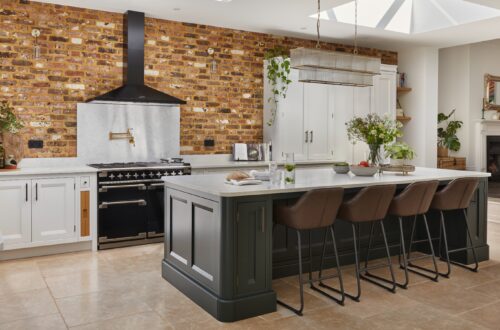
When utilizing cream as your primary neutral, the key to success lies in the layering of textures and complementary accents. Designers suggest that instead of sticking to a single monochromatic shade, you should look for subtle variations in tone to create depth. For instance, pairing pale cream cupboards with hardware in a darker, more grounded finish can provide a necessary point of contrast. This approach avoids a “washed out” look and instead highlights the craftsmanship of the cabinetry. Furthermore, cream acts as a perfect partner for darker, more organic tones like mossy greens or deep browns, allowing for a palette that feels rooted in nature while remaining bright and airy enough for daily tasks.
Embracing the Sophistication of Muted Pinks
Pale, dusty pinks are no longer reserved for nurseries or eclectic bedrooms; they have matured into a surprisingly versatile and sophisticated neutral for the kitchen. These shades offer a soft, flattering glow that can make a space feel incredibly welcoming without the predictability of a standard beige or gray. The modern take on pink is refined and understated, often leaning toward “nude” or “terracotta” undertones that keep the color from feeling overly preppy or juvenile. When executed correctly, a pink kitchen feels tailored and high-end, offering a unique personality that still manages to feel timeless.
The success of a pink-themed neutral palette depends heavily on the specific lighting of the room, as pink can be quite temperamental depending on the time of day. In kitchens that receive a lot of cool, shadowed light, a warmer pink with yellow or orange undertones can help balance the chill and create a sun-drenched effect. Conversely, in rooms that are already flooded with warm, golden hour light, a cooler pink with a hint of saturation can prevent the room from feeling too intense. This color choice pairs beautifully with cool-toned surfaces like gray stone or marble, creating a balanced aesthetic that feels both fresh and established.
The Calming Influence of Stone and Mushroom Hues
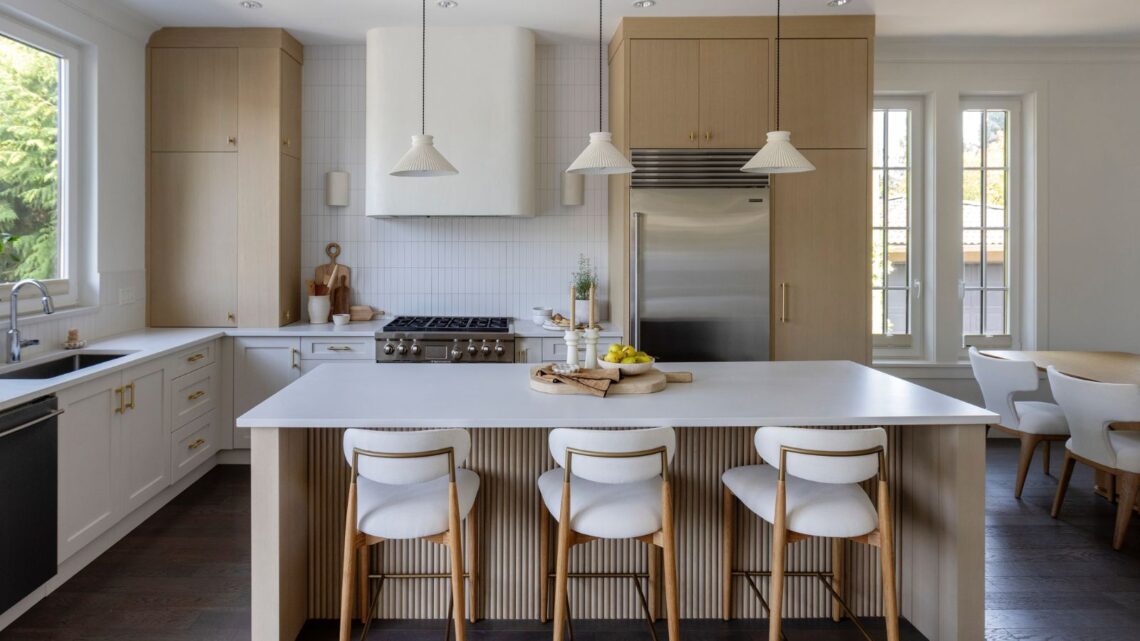
Earthy tones inspired by the natural world, such as stone, mushroom, and putty, are becoming the go-to choices for those seeking a tranquil and grounded environment. These “warm neutrals” draw their beauty from the imperfections of the outdoors, offering a complexity that simple grays often lack. These hues are incredibly versatile, working seamlessly with both ultra-modern, flat-panel cabinetry and more traditional, ornate woodwork. Because they sit in the middle of the spectrum, neither too dark nor too light, they provide a sense of stability and permanence that is perfect for a high-traffic area.
Incorporating mushroom and stone tones allows for a sophisticated play on shadows and highlights within the kitchen. For example, applying a deeper, richer mushroom shade to the lower cabinets while keeping the upper walls in a lighter stone tone can create a visual weight that feels balanced and intentional. These colors also serve as an excellent bridge between different materials; they complement the grain of natural wood, the cool smoothness of stainless steel, and the intricate veining of natural stone countertops. This organic connection to the landscape outside makes the kitchen feel like a natural extension of the home’s surroundings, promoting a sense of calm during even the most hectic cooking sessions.
Finding Balance with Organic Olive Tones
Olive green is emerging as a bold yet surprisingly effective neutral that offers a more saturated alternative to the typical tans and beiges of the past. Because green is so prevalent in our natural environment, our eyes tend to perceive it as a restful and grounding color rather than a disruptive one. Olive, in particular, has enough yellow and brown in its composition to act as a neutral backdrop that pairs elegantly with a wide variety of finishes. It brings a sense of the outdoors inside, creating a kitchen that feels lush, organic, and deeply personalized without being overwhelming.
To ensure olive green functions as a neutral rather than a statement color, it is best to pair it with materials that share its organic origins. Natural wood details, such as butcher block islands or light hardwood flooring, enhance the warmth of the green and prevent it from feeling too heavy. Additionally, incorporating luxury accents like golden or brass hardware can elevate the look, giving the olive cabinetry a polished and refined edge. By layering in different shades of green or contrasting it with warm-toned stones, you can create a space that feels rich in character and enduring in style, proving that the “new neutrals” are as much about feeling as they are about sight.